Reporting here is planning information compiled from official and press sources, each linked at the foot of the article. Entry requirements and event schedules change — always confirm with the relevant official body before booking. See our disclaimer.
How to use this Thailand travel news archive
Start with the publication date and the place named in the headline. A travel announcement can be useful for one particular weekend, season or route without applying to every trip. The newest stories appear first, but an older report may still explain the background to a change. Open the full article to see the source links and the distinction between what has been announced and what is still provisional. If you are planning around a specific date, compare the announcement with the operator's or organiser's current information before making a commitment.
Use the destination guides alongside the news. A report about a ferry, a festival or an airport is one part of a journey; you still need to decide where to stay and how that stop fits into the rest of your route. The related links at the foot of an article lead to relevant guides and further coverage. They are intended to help you follow the subject beyond the headline, including later developments that may change the practical advice in an earlier report.
Find the story that affects your route
Begin with the parts of your itinerary that are hardest to move. An international arrival, a booked island crossing or a festival night can determine how much flexibility you have elsewhere. Read news about those connections before adding optional day trips. A change that matters to a traveller arriving late at night may have little effect on someone already staying in the city. Look for the route, terminal, venue or operating date in the body of the story rather than assuming that a province-wide headline applies to every service.
When you find a useful update, note the article URL and the original source as well as the headline. That makes it easier to check the details again closer to departure. Keep your own booking reference and operator contact information separately. A travel news article provides context for the decision; it does not replace the conditions attached to your reservation. If the story reports an announcement without an exact timetable, allow room in your plan until the responsible organisation publishes that timetable.
Read festival reports with the calendar
Festival coverage often contains several dates that refer to different things. A traditional observance, a municipal parade and a commercial performance can overlap while following separate programmes. Read the venue and organiser details carefully. The festival guides explain the wider event, while dated reports describe individual announcements. The Festival Finder can help you compare your arrival and departure dates with the calendar, but you should still open the guide for the celebration that interests you and confirm which part of it you intend to attend.
Think about the journey home from an evening event as well as getting there. Check whether a ticket includes transport, where the return service leaves from, and whether your accommodation is within the area you can reach afterwards. For public celebrations, find the actual gathering place rather than relying on a city name alone. If an article says that timings are awaiting confirmation, treat that as an unresolved part of the plan. Avoid arranging a tight onward connection around a programme that has not been published.
Transport stories need a date and direction
A newly announced air route or seasonal boat service may have a booking date, a first operating date and a separate timetable. Those are different milestones. Look for the airport or pier at each end, the direction of travel, and the days on which the service is expected to operate. An announcement that seats are on sale does not establish that the service runs on every day of your trip. Confirm your own departure in the booking system and keep any later messages from the airline or transport company.
Use the same approach for temporary disruption. A report about weather, road access or a busy holiday period describes a situation at a particular time. Read any stated end date and follow the responsible operator for updates. It can help to keep an alternative connection in mind, especially where several separate bookings meet. Check transfer arrangements directly rather than assuming one company will protect a connection sold by another. The value of a news update is that it highlights the question to resolve before you travel.
Check the scope of entry and visa updates
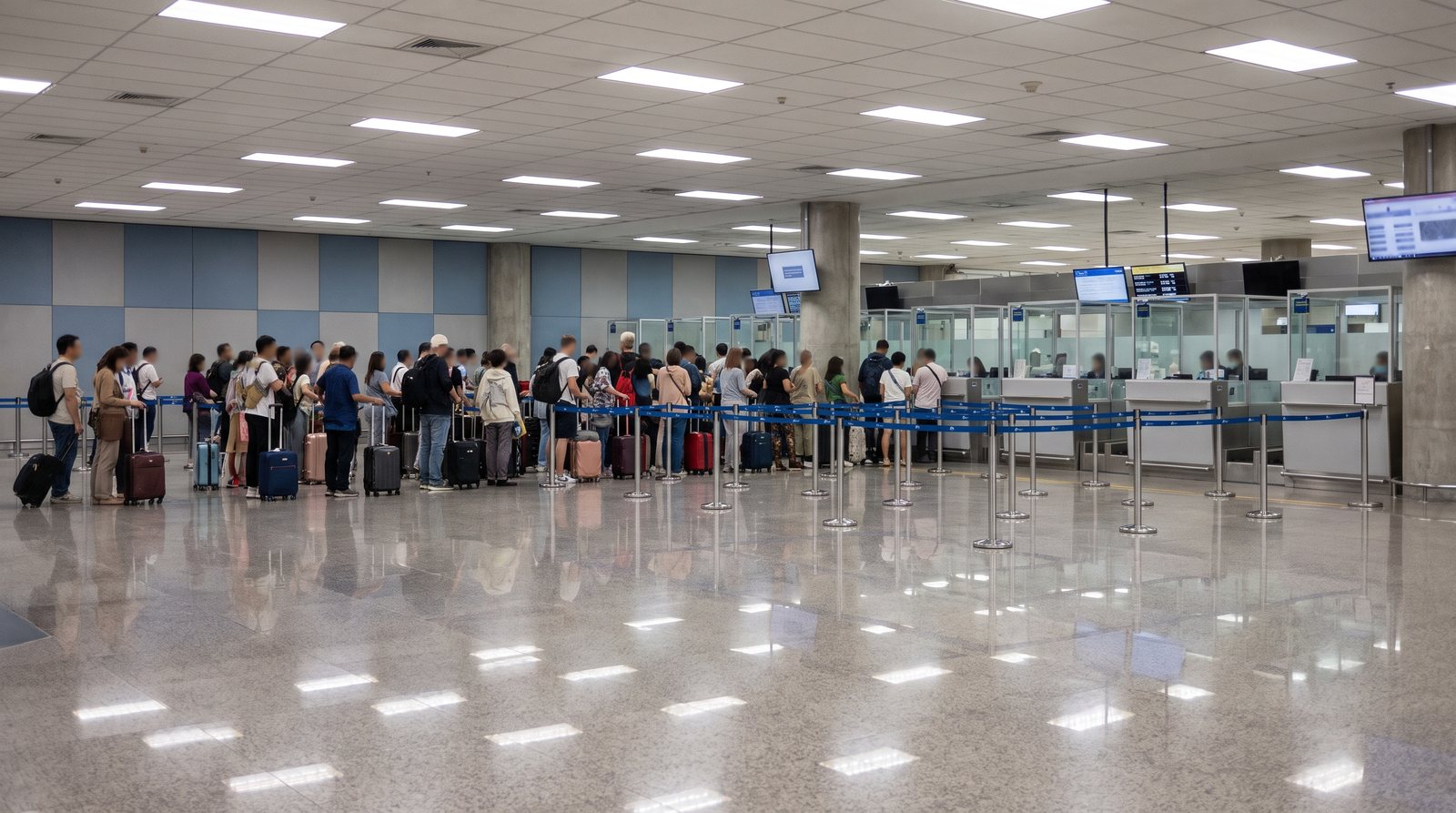
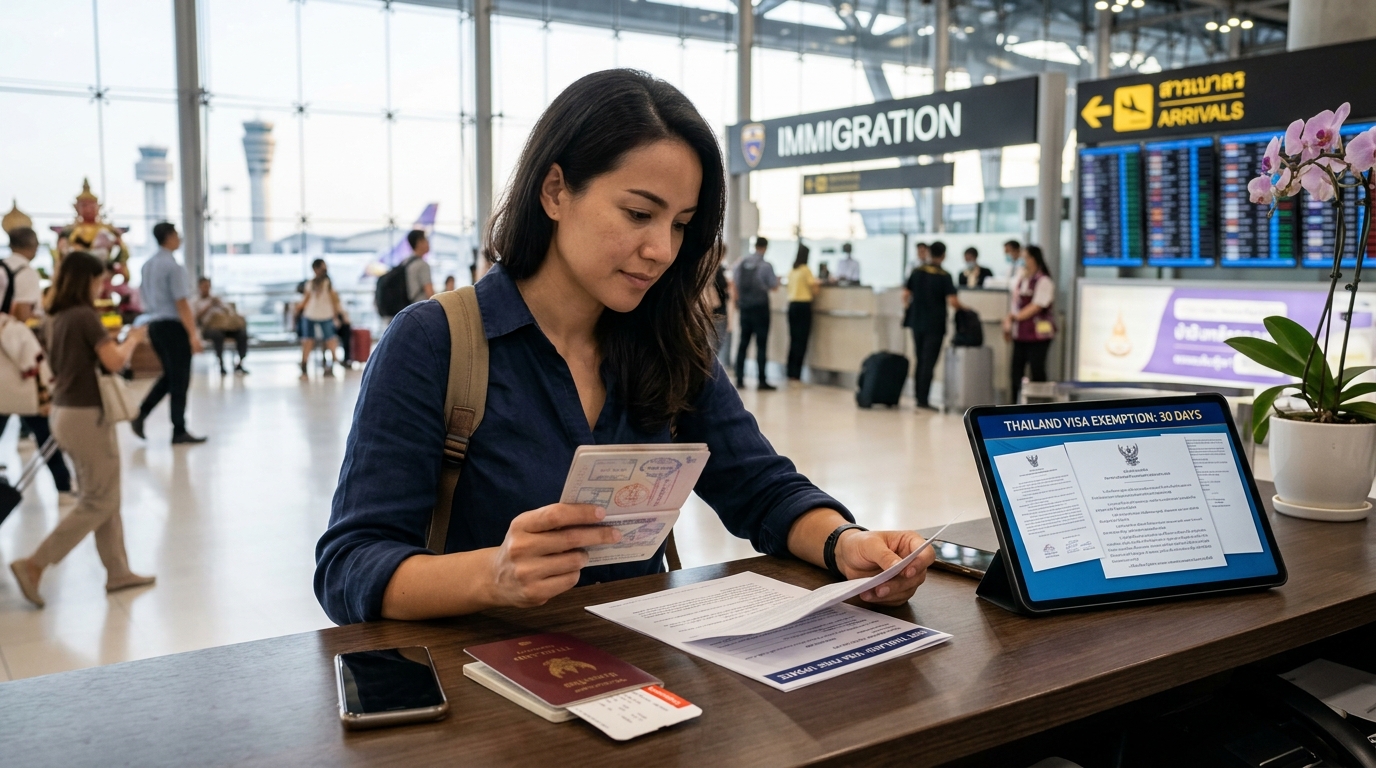
Entry reports should be read with your passport, purpose of travel and intended arrival date in mind. A change for one entry category does not automatically apply to another. Follow the official source linked in the article, read the conditions in full, and check the current guidance from the relevant Thai embassy or immigration authority for your circumstances. A summary can explain an announcement, but the authority administering the rule determines its requirements. Keep any forms, confirmations and supporting documents accessible for your journey.
If two articles appear to disagree, compare their publication dates, the dates on which the reported changes take effect, and the entry categories they describe. Do not resolve the difference by choosing the more convenient headline. Read the newer report and its source, and seek clarification from the appropriate authority if the situation remains unclear. The archive preserves earlier reporting so readers can follow the sequence of announcements; an old story should not be treated as a promise about the rules on a future arrival date.
Sources, corrections and follow-up reading
Each article includes source links so you can trace an announcement to the organisation or outlet that published it. Where a source does not state a publication date, that absence is identified rather than replaced with the date of our article. Source dates and our publication dates describe different steps in the reporting process. Read an updated date as a signal to inspect what the page now says, then follow through to the original material when a detail is important to your bookings.
To report a correction, send the article URL, the specific passage and the evidence for the change through our contact page. A link to an official announcement or a clear description of what changed is more useful than an isolated screenshot without a date. Continue with the related coverage when you want the surrounding context, or return to the archive to see the newest reports. For a route overview, use the destination directory and planner together with the dated information here.