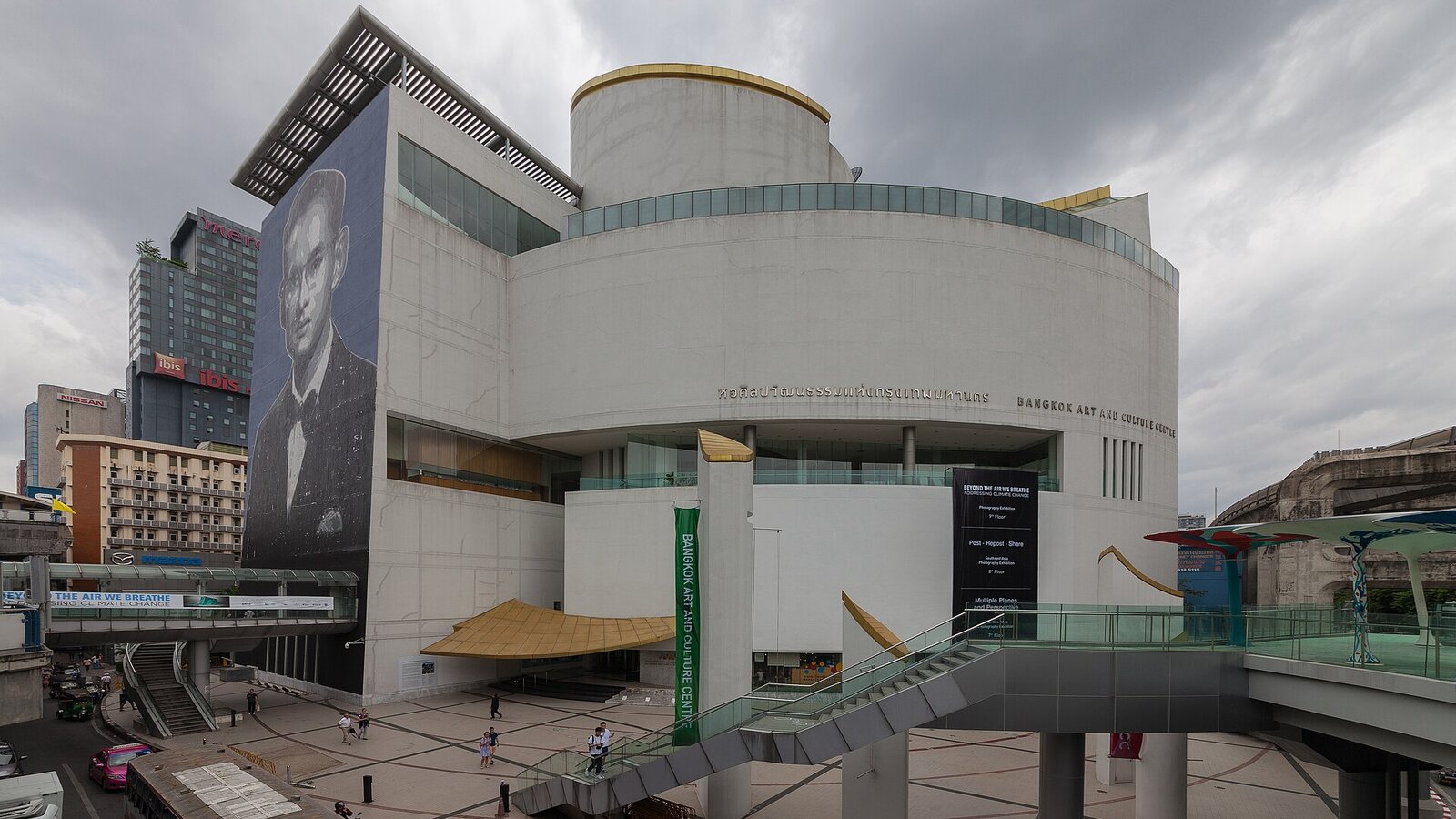
If you are planning a stop in the capital this cool season, the single best-value entry in Bangkok tourism right now is an art festival that has quietly taken over eleven buildings across the city. The Bangkok Art Biennale 2026 opened on 29 October and runs all the way to 28 February 2027, scattering more than 200 artworks by 72 artists from 29 countries through riverside temples, national museums and air-conditioned shopping malls. Most of the venues cost nothing to enter.
That combination — free, central, and open for four months — makes it unusually easy to fold into an existing trip. You do not need tickets, a booking or a fixed date. You need a transit card, a sense of which venues shut on which day, and about two days if you want the lot.
What the Bangkok Art Biennale 2026 actually is
This is the fifth edition of a biennial festival that has run since 2018, organised by the Bangkok Art Biennale Foundation with the Tourism Authority of Thailand, the Thailand Convention and Exhibition Bureau and the Bangkok Metropolitan Administration behind it. The theme this year is "Angels & Mara" — the pull between guardians of light and the forces of temptation, a framing that lands differently when the work is installed inside a working Buddhist temple rather than a white-walled gallery.
The scale is real. The 2024 edition drew more than 1.2 million visitors and an estimated 3.54 billion baht in tourism revenue, and this year's spread is wider again. Headline works include Sun Yuan and Peng Yu's Angel, a fallen, ageing angel installed in the Issaravinitchai Throne Hall at the National Museum; Leiko Ikemura's Memento Mori at Wat Pho; Liu Jianhua's site-specific Square (Siamese Triangle); and Mel Chin's Love Is in the Air at Silpakorn University, which reworks Thai folklore ghosts into a disco-ball installation. Fringe programmes called BAB Plus and BAB Fringe push the festival out into independent galleries in Bangkok and neighbouring provinces.
For visitors, the point is less the art-world credentials than the excuse. The Biennale routes you through the places you would want to see anyway and gives you a reason to look at them properly.
The eleven venues, and which ones are free
The venues split into three clusters: the old city by the river, the Siam shopping district, and Lumphini. Entry to the Biennale itself is free everywhere. What you pay is the normal gate fee at the temples and museums that charge one.
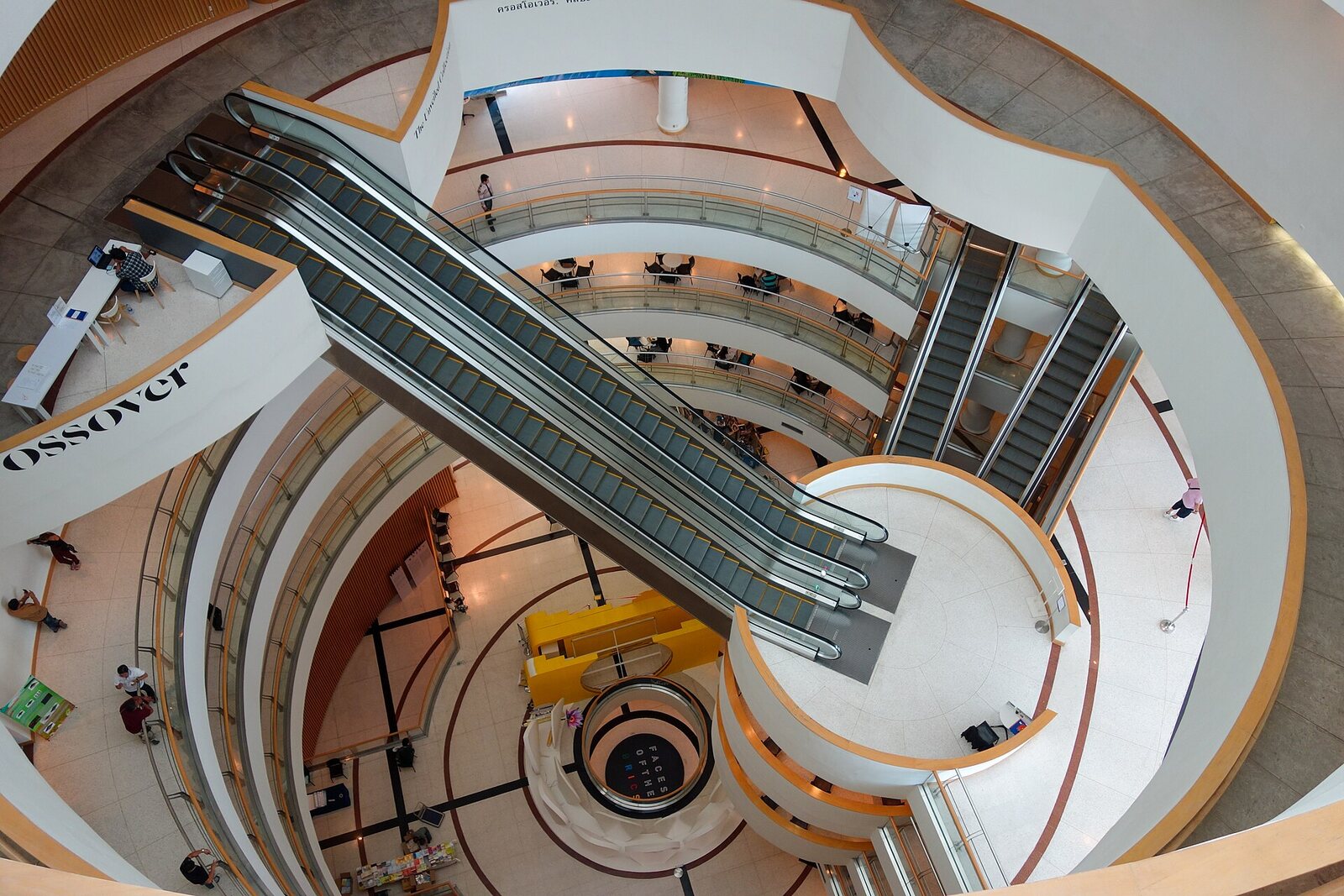
- Bangkok Art and Culture Centre (BACC) — free. The hub, with 150-plus works over several floors. BTS National Stadium.
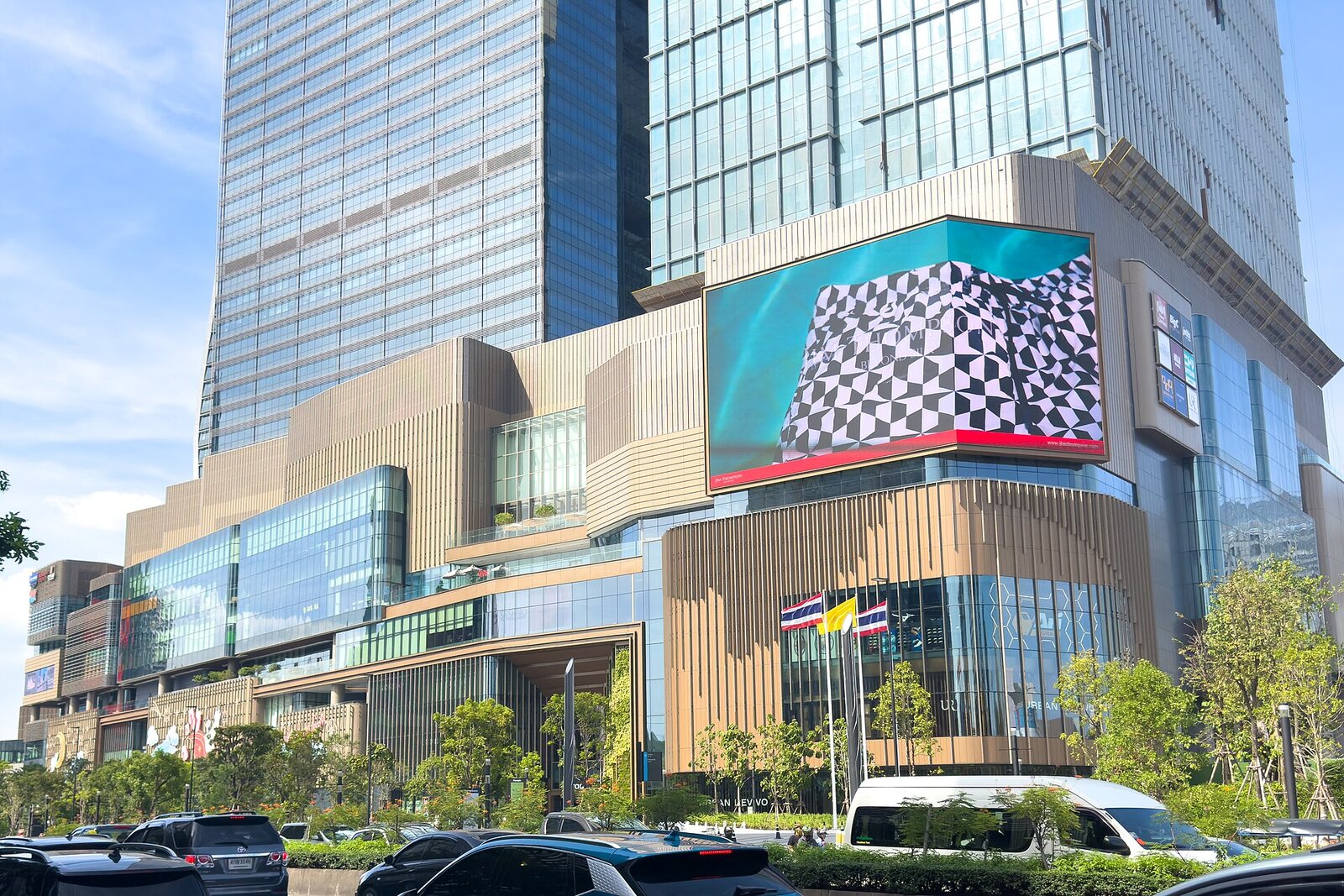
- One Bangkok — free. Around 25 works across the new Rama IV development. MRT Lumphini Exit 1.
- Siam Paragon — free, 13 works. BTS Siam. centralwOrld — free, two works. BTS Chit Lom.
- Alliance Française Bangkok — free, three works. MRT Lumphini Exit 1.
- Museum Siam — 100 baht, 24 works. MRT Sanam Chai Exit 1.
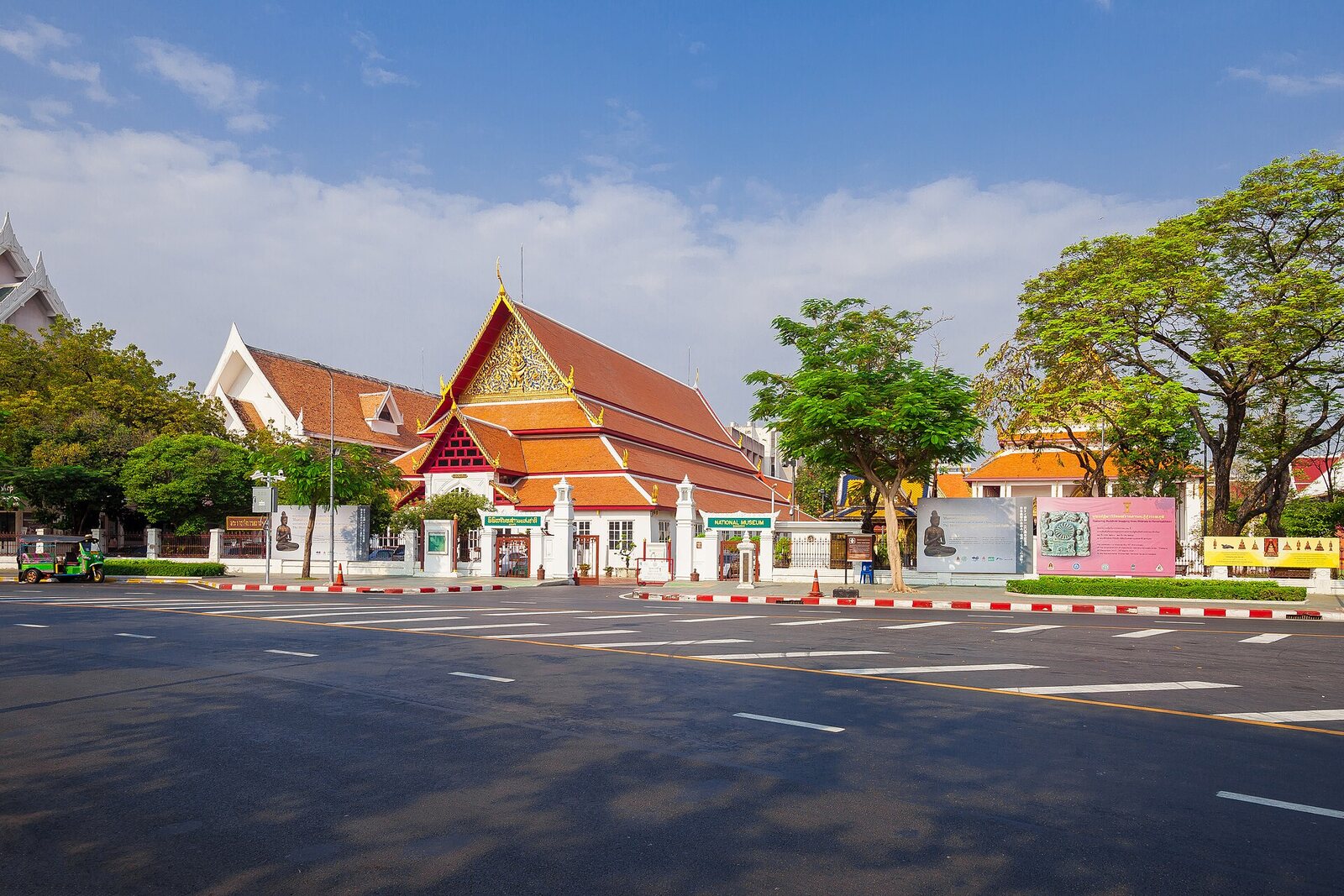
- National Museum Bangkok — 240 baht, 17 works including the Throne Hall installations.
- Silpakorn University Art Centre — free, 38 works. Tha Chang Pier.
- Wat Pho — 300 baht temple entry, eight works. MRT Sanam Chai or Tha Tien Pier.
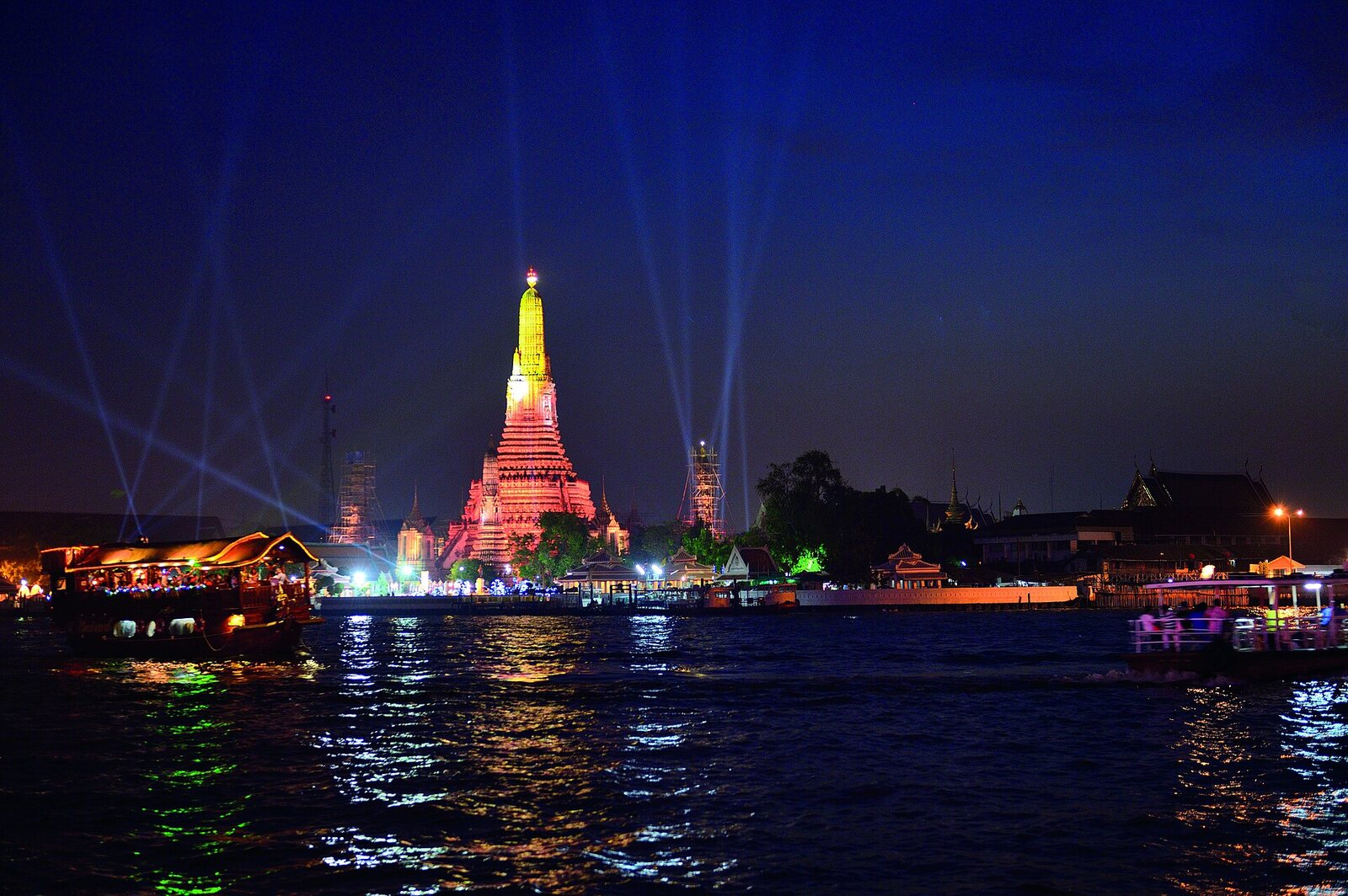
- Wat Arun — 200 baht temple entry, one major work. Wat Arun Pier.
- Wat Prayoon — free, three works, on the Thonburi bank.
Done carefully, a full sweep of all eleven costs 640 baht in gate fees plus perhaps 150 baht in boat and train fares. Skip the two ticketed temples and the National Museum and the entire festival costs you 100 baht. There is not much else in Bangkok tourism that gives you four months of world-class contemporary art for the price of a bowl of noodles.
Opening hours and the days to avoid
This is the part that catches people out. Venues keep their own hours, and three of the best close on Monday — the one detail that undoes more Bangkok tourism day plans than traffic does.
- BACC: Tuesday to Sunday, 10:00–20:00. Closed Monday.
- Museum Siam: Tuesday to Sunday, 10:00–18:00. Closed Monday.
- National Museum Bangkok: Wednesday to Sunday, 09:00–16:00. Closed Monday and Tuesday.
- Silpakorn Art Centre: Monday to Saturday, 09:00–18:00. Closed Sunday.
- Alliance Française: Monday to Saturday 08:00–19:00, Sunday to 17:00.
- Malls (Paragon, centralwOrld, One Bangkok): daily, 10:00–22:00.
- Wat Pho: daily 08:00–19:30. Wat Arun and Wat Prayoon: daily 08:00–18:00.
Wednesday to Saturday is the only window when every venue is open. If your Thailand itinerary puts you in the capital on a Monday, spend it on the Thonburi side at Wat Arun and Wat Prayoon, then go shopping-mall hunting in the evening — those venues never close.
A two-day Bangkok itinerary for the Biennale
Two days covers everything without rushing. Split the route by geography rather than by theme — crossing the city mid-afternoon is the one thing guaranteed to ruin a day of Bangkok tourism.
Day one: the river. Start at the National Museum at 09:00 before the heat and the coaches. Walk fifteen minutes to the Silpakorn Art Centre, then south to Museum Siam. Lunch near Tha Tien, then Wat Pho in the early afternoon and the cross-river ferry (five baht) to Wat Arun. Finish at Wat Prayoon as the light goes. Roughly five hours of looking, plus walking.
Day two: the city. BACC from opening until lunch — it holds more work than any other venue and deserves two unhurried hours. Then Siam Paragon and centralwOrld on foot along the skywalk, and the MRT down to Lumphini for One Bangkok and the Alliance Française in the late afternoon. Six hours, almost all of it air-conditioned.
If you only have one day, do day two. It is cheaper, cooler, entirely free and covers the densest concentration of work. If you only have one afternoon, do BACC alone and then walk to Siam Paragon.
What else is on in Bangkok this month
November is the best month of the Thai year to be in the capital, and the Biennale overlaps with a crowded calendar. The Royal Barge Procession takes to the Chao Phraya on 6 November, which will bring big crowds to exactly the riverside venues on day one of the route above — move that day if you can. Loy Krathong falls on 24 November, when the same river fills with candle-lit baskets; our Loy Krathong festival guide covers the etiquette and the best places to watch.
Between venues, the city does the rest of the work. The Bangkok street food stretch along Yaowarat Road comes alive after dark and sits a ten-minute taxi ride from the Museum Siam cluster — grilled river prawns, guay jub peppery noodle soup, and mango sticky rice at around 60 to 100 baht a plate. For everything beyond the Biennale, our Bangkok destination guide has the neighbourhoods, transport and day trips.
The Biennale also works as the anchor for a wider Thailand vacation planning loop. Ayutthaya is ninety minutes north by train for a day among the ruins; see our Ayutthaya guide. Pattaya is two hours south-east for the beach and the fireworks festival on 27 and 28 November, covered in our Pattaya and Jomtien guide. Both are easy add-ons that keep Bangkok as your base.
Practical tips before you go
- Travel Wednesday to Saturday. It is the only stretch when all eleven venues are open on the same day.
- Dress for the temples. Wat Pho, Wat Arun and Wat Prayoon are active places of worship: shoulders and knees covered, shoes off inside the halls. Sarongs are lent at the gate.
- Buy a Rabbit card and an MRT stored-value card. Nine of the eleven venues sit within a short walk of a BTS or MRT station, and the lines beat Bangkok traffic every time.
- Use the river boats. The orange-flag Chao Phraya Express runs to Tha Tien for about 16 baht and is the pleasant way between the old-city venues.
- Go early at the temples. Wat Pho and Wat Arun are busiest from 10:00 to 15:00. Arrive at opening and the art is yours alone.
- Carry some cash. Temple and museum gates are cash-only; the malls take cards and QR payments.
- Check before you set out. Individual works are still being installed at some venues through November, and the Wat Arun piece opened from early November — the festival's own channels are the live source.
Four months, eleven venues, 72 artists and a bill that can be as low as nothing: among the best places to visit in Thailand this cool season, the capital has rarely made a stronger case for itself. If you travel to Thailand any time before the end of February, the Biennale is the rare piece of Bangkok tourism that costs almost nothing and changes how you see the city you were going to walk through anyway — a crash course in contemporary Thai culture delivered in temples, throne halls and shopping malls.
Source: TAT Newsroom, 28 October 2026 — Bangkok Art Biennale 2026 opening reception sets stage for citywide art festival (2026-10-28); Thai PBS World, 30 October 2026 — Bangkok Art Biennale 2026 opens across the 'City of Angels' (2026-10-30); Wego Travel Blog, 2026 — Bangkok Art Biennale 2026: dates, venues and how to visit (2026-10-30); Bangkok Authority, 5 October 2026 — Admission prices in Bangkok: tickets for temples, museums and attractions (2026-10-05).
More Thailand travel news
Plan around a festival
Festival guides for the events named in this article — dates, how to get there and what to expect.
- Loy Krathong — Nationwide · November
On the full moon of the twelfth lunar month, Thailand sets millions of candle-lit baskets adrift on its rivers, canals a
Check festivals against your travel dates · All Thai festivals by month
Sources
- Bangkok Art Biennale 2026 opening reception sets stage for citywide art festival — TAT Newsroom, 28 October 2026
- Bangkok Art Biennale 2026 opens across the 'City of Angels' — Thai PBS World, 30 October 2026
- Bangkok Art Biennale 2026: dates, venues and how to visit — Wego Travel Blog, 2026
- Admission prices in Bangkok: tickets for temples, museums and attractions — Bangkok Authority, 5 October 2026