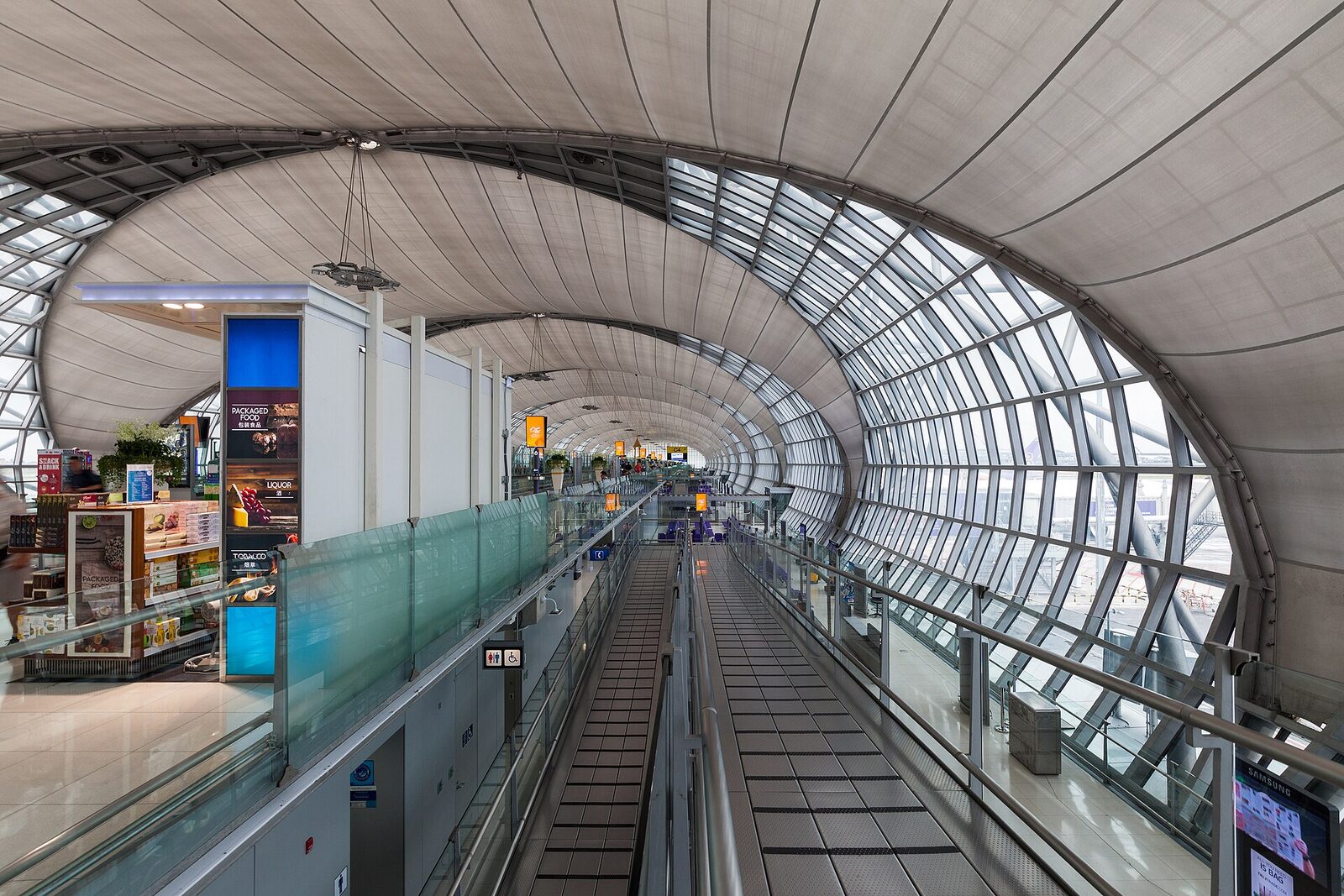
The cheapest Thailand tourism update of the year is the one about a fee you will not now be paying. On Thursday 22 October, Deputy Prime Minister and Finance Minister Ekniti Nitithanprapas said the government would not proceed with a proposed 1,000-baht departure tax — a charge that would have applied to every traveller flying out of the country, Thai and foreign alike. For anyone already deep into Thailand vacation planning for the November-to-February high season, that is one line struck off the budget.
The decision landed midway through a public consultation. The Revenue Department had opened the draft Departure Tax Act for comment from 30 September to 29 October, and the proposal was already drawing loud objections from airlines and travel agents. Ekniti's intervention did not kill the idea outright. It paused it, in his words, for the time being, with no replacement date announced.
What the 1,000-baht departure tax would have charged
The draft set the air departure rate at 1,000 baht per person per trip — roughly US$31, £23 or €27 at late-October rates — with a legal ceiling written into the act of 5,000 baht. That ceiling, rather than the opening rate, is what unsettled the industry: it would let a future government raise the charge fivefold without returning to parliament.
Exits by land and sea were to be exempt at first, so the overland crossings into Laos, Cambodia and Malaysia would not have been touched. The Treasury put the expected take at about 45.9 billion baht a year. The Association of Thai Travel Agents countered with estimates of 50 to 150 billion baht in lost tourism revenue, arguing that a flat exit charge lands hardest on the short-haul regional traffic that fills Thai hotel rooms midweek.
Why this Thailand tourism update matters for the high season
Timing explains the reversal. Ekniti pointed to economic uncertainty and to energy prices pushed up by Middle East tensions, which raise jet fuel costs and therefore airfares without any help from the tax office. Adding a second charge on top, he argued, was inappropriate at this juncture.
He also credited the IMF–World Bank Annual Meetings, hosted in Bangkok the week before, and feedback from APEC delegates, with lifting the country's profile abroad. “We want tourism to continue moving forward,” he said. “People around the world want to return, so we want to maintain this positive atmosphere.” The ministry expects a strong fourth quarter and has no appetite for anything that dents it.
Read plainly, the Thailand tourism update here is that the high season is being protected. November to February is when the cool, dry weather, the festival calendar and the northern-hemisphere winter break all line up, and it is the stretch that carries the rest of the year.
The 450-baht entry fee is a separate question
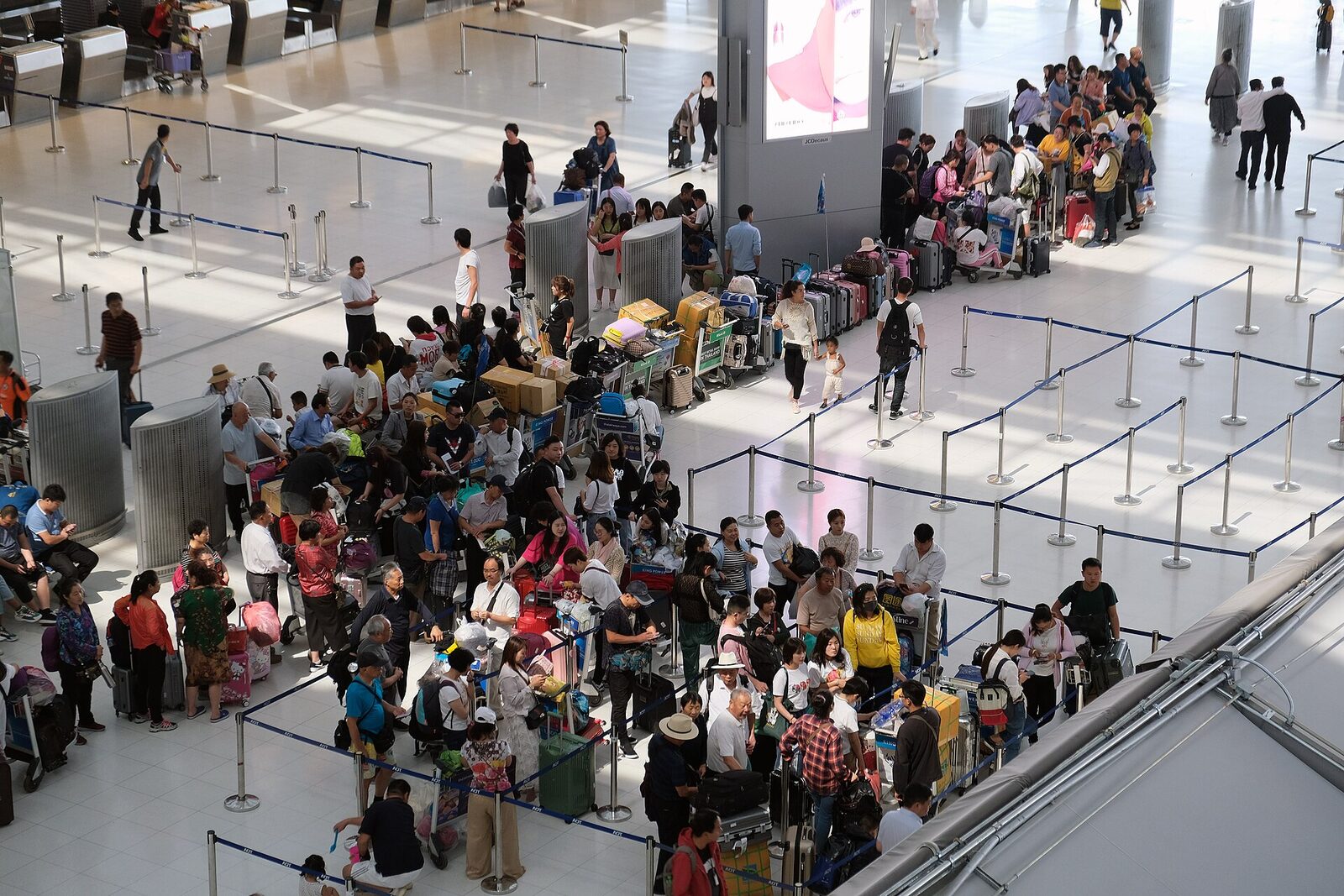
Do not confuse the two charges. The 450-baht fee for foreign arrivals by air sits with the Ministry of Tourism and Sports, not the Revenue Department, and was not part of Thursday's decision. It remains awaiting final approval, and the minister was explicit that this deferral does not touch it. Our earlier report on the 450-baht tourist fee has the background. The practical position today is simple: neither charge is being collected.
What travel to Thailand costs at the border right now
The practical half of this Thailand tourism update is short: if you travel to Thailand this winter, the border costs are unchanged. Visitors covered by the 30-day visa exemption pay nothing to enter and nothing to leave. The Thailand Digital Arrival Card, which you complete online in the three days before you fly, is free — any site charging you for it is not the official one. A passenger service charge is already built into every ticket out of Suvarnabhumi and Don Mueang; the departure tax would have been a second, separate charge stacked on top of it.
That leaves the familiar costs: national park admission of 100 to 200 baht for foreign visitors, 200 baht at the bigger historical parks, and whatever your Thailand itinerary spends on transport. Nothing new has been added at the airport gate.
Where the 1,000 baht you kept actually goes
A thousand baht is not a trivial sum on the ground, and two people flying home would have paid 2,000. Put against real prices, that is a night in a good mid-range hotel or a full day out for a family.
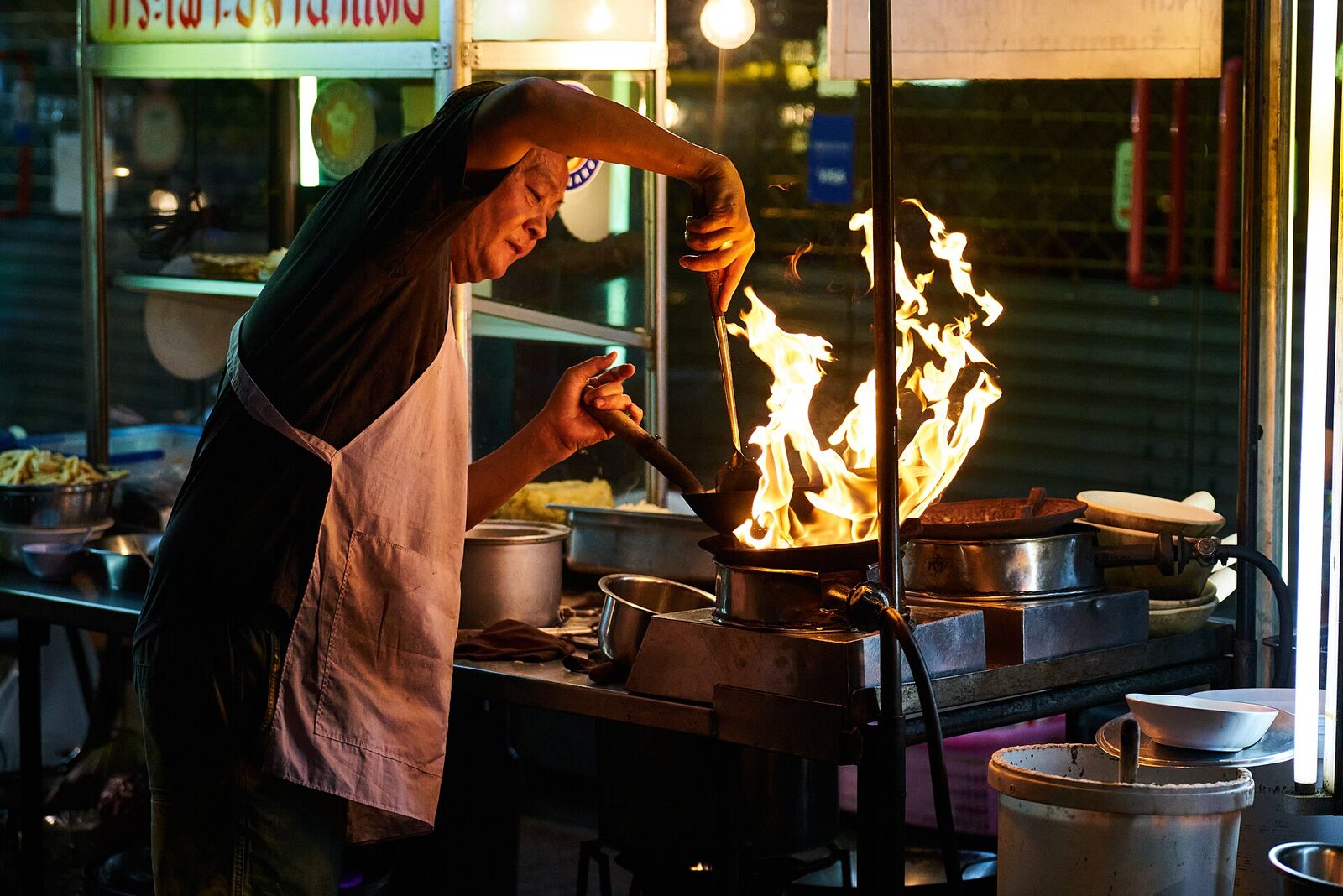
In Bangkok it is a long evening of Bangkok street food in Yaowarat, where a plate of guay jub, a bowl of boat noodles and a mango sticky rice rarely top 100 baht each and the stalls get going from about 18.00. It is also two Grand Palace tickets with change, or a week of Grab and Bolt rides at 60 to 120 baht a hop — our Bangkok travel guide has the detail.
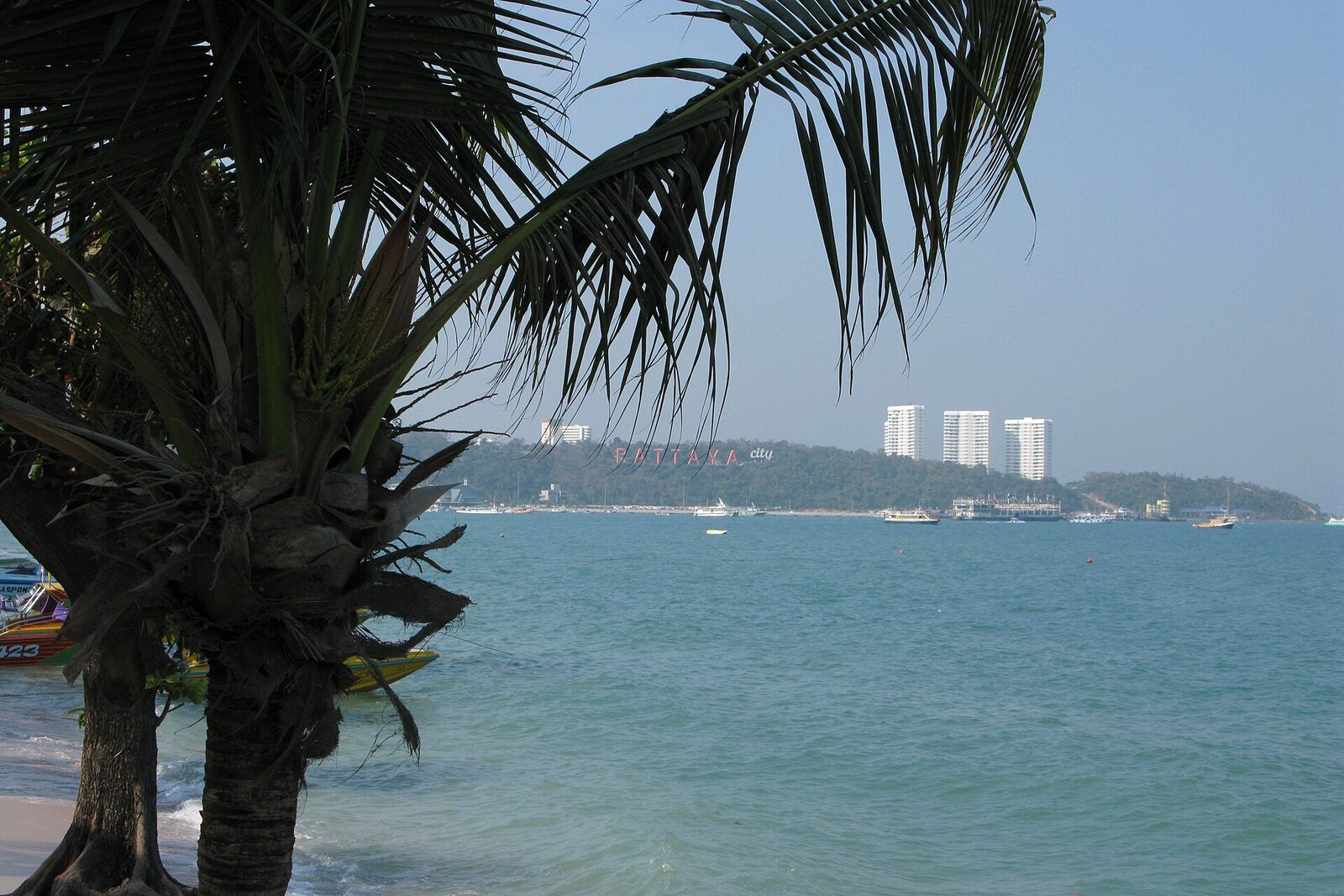
On the eastern seaboard it stretches further. The ferry from Pattaya's Bali Hai Pier to the Koh Larn beaches is 30 baht each way and takes about 45 minutes, so a thousand baht covers the crossing, two sunbeds and lunch for a couple with money to spare. There is no shortage of things to do in Pattaya on either side of that day trip — our Pattaya and Jomtien guide runs through them. Further east, Koh Kood travel out in Trat province buys roughly half a night in a beach bungalow, and that island is still the quietest week going in the Thailand islands.
Inland, the same money is a guided day of Thai culture among the ruins at Ayutthaya, or a second-class sleeper berth to Chiang Mai. None of these are extravagances; they are what a flat exit fee quietly removes from a two-week budget.
What this Thailand tourism update means for planning
Treat the pause as a pause. The draft act has not been withdrawn, the consultation window still runs to 29 October, and the Finance Ministry has said it will look again once the economy and energy prices settle. Anyone booking deep into 2027 should budget as though a departure charge may eventually arrive. Anyone travelling this high season can simply take the saving.
The wider lesson of this Thailand tourism update is that the fee landscape moves faster than the guidebooks. Two charges have been proposed in two years and neither is yet collected, while the things that genuinely shape a budget — airfare, the baht rate, high-season room prices — carry on regardless.
Practical tips for the 2026–27 high season
Seven things worth doing before you fly, whatever the Revenue Department decides next.
- Do not pre-pay any ‘departure tax’. No such charge is being collected. If a booking site adds one, query it before you pay.
- Fill in the TDAC on the official site only. The Thailand Digital Arrival Card is free and opens three days before arrival; paid ‘processing’ services are reselling a free form.
- Book the high-season room early. November to February is peak, and the best-value hotels in Bangkok, Pattaya and the islands go weeks ahead.
- Carry some cash. Ferries, songthaews, market stalls and national park gates are cash; card acceptance thins out fast outside the malls.
- Budget 100–200 baht per national park. Foreign-visitor rates are higher than Thai rates and are charged per park, per day.
- Compare Grab and Bolt before you ride. Both quote a fixed fare up front in Bangkok, Pattaya and Chiang Mai, and the cheaper of the two varies by time of day.
- Re-check fee rules a fortnight before you fly. Thai entry and exit charges have changed direction twice in two years; confirm against an official source rather than an old forum post.
Source: Khaosod English — Thailand delays proposed 1,000-baht overseas travel tax (2026-10-22); Thai Newsroom — 1,000-baht departure tax put off as tourism looks promising (2026-10-22); The Pattaya News — Thai Government Postpones Introducing Proposed 1,000-Baht Overseas Travel Tax to Protect Tourism Momentum (2026-10-23); Tourism Authority of Thailand — TAT Newsroom (publication date not stated).
More Thailand travel news
Plan around a festival
Thailand runs a festival somewhere most weeks of the year. Check what falls inside your own travel dates.
Check festivals against your travel dates · All Thai festivals by month
Sources
- Thailand delays proposed 1,000-baht overseas travel tax — Khaosod English
- 1,000-baht departure tax put off as tourism looks promising — Thai Newsroom
- Thai Government Postpones Introducing Proposed 1,000-Baht Overseas Travel Tax to Protect Tourism Momentum — The Pattaya News
- TAT Newsroom — Tourism Authority of Thailand