The biggest piece of Thailand travel news this week is not a new flight route or a festival date. It is a 450-baht line item that could appear on your ticket to Bangkok from 2027. Public consultation on Thailand's proposed foreign tourist fee closes on 28 September 2026, which gives anyone planning travel to Thailand a few days to read the detail and say something about it. Here is what is on the table, what it would cost, and why it should change very little about your Thailand vacation planning.
First, the reassuring part: nothing is payable today. If you are flying in for the November–February high season, you will not be charged. The scheme still has to clear the National Tourism Policy Committee and the Cabinet before a single baht is collected.
What the 450-baht tourist fee actually is
The levy — known in Thai as kha yiap phaendin, loosely "the fee for setting foot on the land" — is a one-off charge on foreign visitors. The figure was fixed at 450 baht (roughly US$13.50, or about £10) in August 2026, replacing an older 300-baht proposal that drifted for years without taking effect.
Two details matter more than the number. The fee is tied to insurance cover for the visitor, and it is not charged per entry: pay once and you can leave and re-enter Thailand within a 30-day window without paying again, as long as that cover is still running. Useful if your Thailand itinerary includes a side trip to Laos, Cambodia or Malaysia.
Draft exemptions cover diplomatic passport holders, foreign nationals with Thai work permits, border-pass holders, transit passengers, airline and ship crew, and children under two. Those categories are not yet settled.
When you would actually pay it
This is the part of the Thailand travel news cycle where dates get reported as facts, so be careful with them. The consultation closes on 28 September 2026. The proposal then returns to the National Tourism Policy Committee and on to the Cabinet. Collection would begin 180 days after the announcement is published in the Royal Gazette, which officials have pointed at the first quarter of 2027; independent observers think early to mid-2027 is more realistic.
Air arrivals first, land and sea later
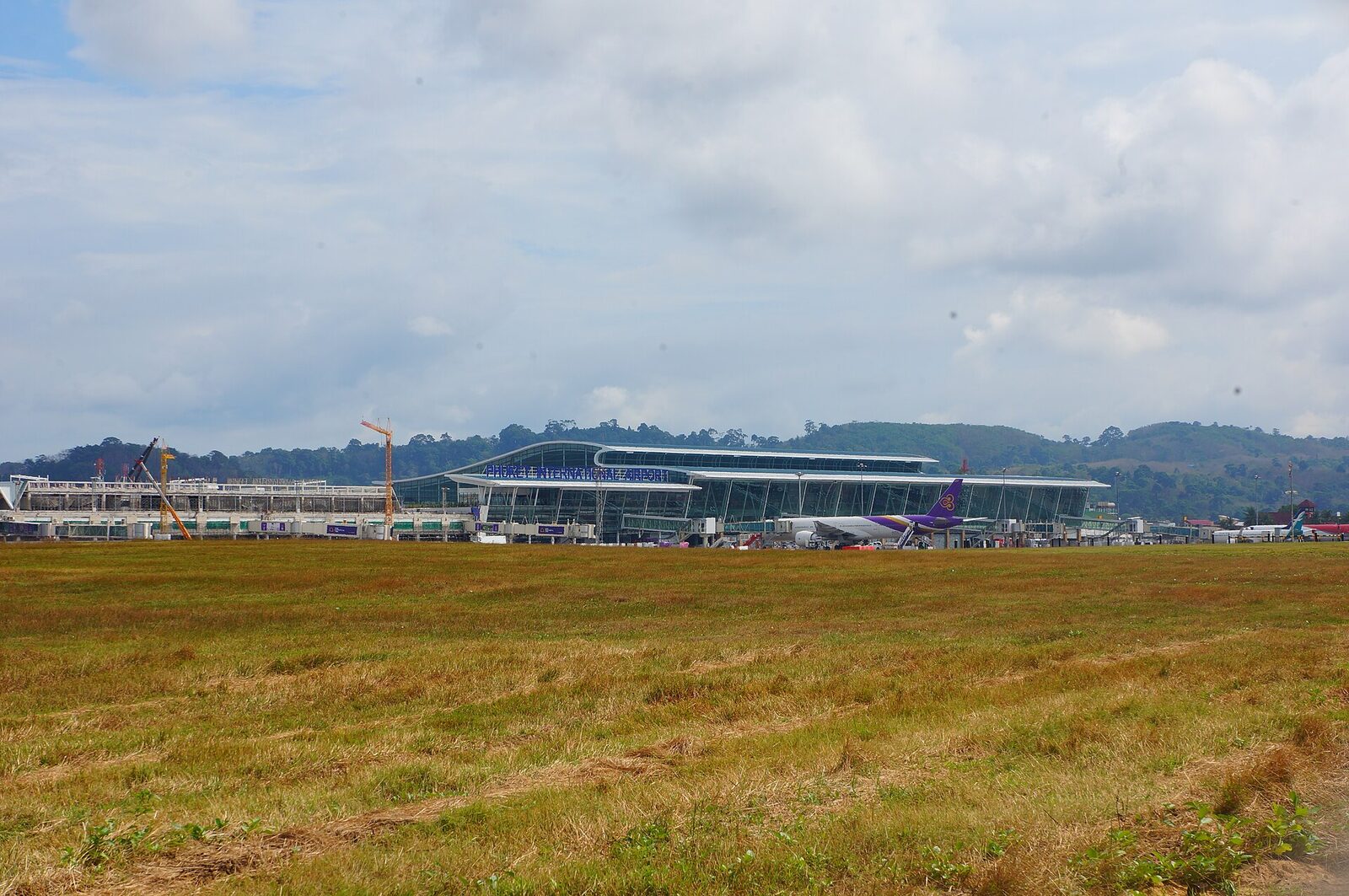
Phase one covers passengers arriving by air. Land and sea arrivals — the Nong Khai and Padang Besar train crossings, the Cambodian border posts, the Andaman ferries from Langkawi — would follow roughly 360 days later. How you would pay is undecided: bundled into the airfare, collected alongside the online arrival card, or via airport kiosks and QR points. Bundling into the ticket is tidiest for travellers, because it removes another queue from the arrivals hall.
What the money is supposed to fund
The headline purpose is insurance. Thailand absorbs an estimated 7 billion baht a year in unrecovered medical costs for foreign nationals who are treated and cannot pay. The draft structure has three tiers: basic accident and emergency cover for every paying visitor, optional top-up cover for high-risk activities such as diving and motorcycling, and compulsory liability cover attached to rented vehicles.
The rest goes to a tourism fund for destination development, environmental restoration and industry training. Officials project more than 10 billion baht a year, rising towards 15 billion once land and sea crossings are included. One government-commissioned study estimated the fee would also cost Thailand around 70,000 arrivals and 3.32 billion baht in revenue — the trade-off being argued over right now.
What 450 baht buys on the ground
Context is the fastest way to judge a travel levy, and it is the part most Thailand travel news coverage skips. Here is what the same money gets you in 2026:
- Airport transfer — a Grab or Bolt car from Suvarnabhumi into central Sukhumvit runs roughly 400–600 baht. The Airport Rail Link does the same trip for 45 baht.
- Bangkok street food — mango sticky rice is 60–100 baht at a good stall, boat noodles 50–80 baht, a proper Thai iced tea 40–60 baht.
- Koh Larn beaches — the public ferry from Bali Hai Pier in Pattaya is 30 baht each way, about 45 minutes.
- National parks — foreign-visitor entry is commonly 200 baht for adults, 100 baht for children.
- Temples — Wat Arun charges 200 baht, Wat Pho 300 baht, and most neighbourhood temples are free.
So the fee is about one airport taxi, or a street-food dinner for two plus the ferry to an island. Against a long-haul airfare it is a rounding error. The reasonable objection is not the amount — it is whether the insurance and the fund deliver anything a visitor can point at.
How it fits your Thailand itinerary
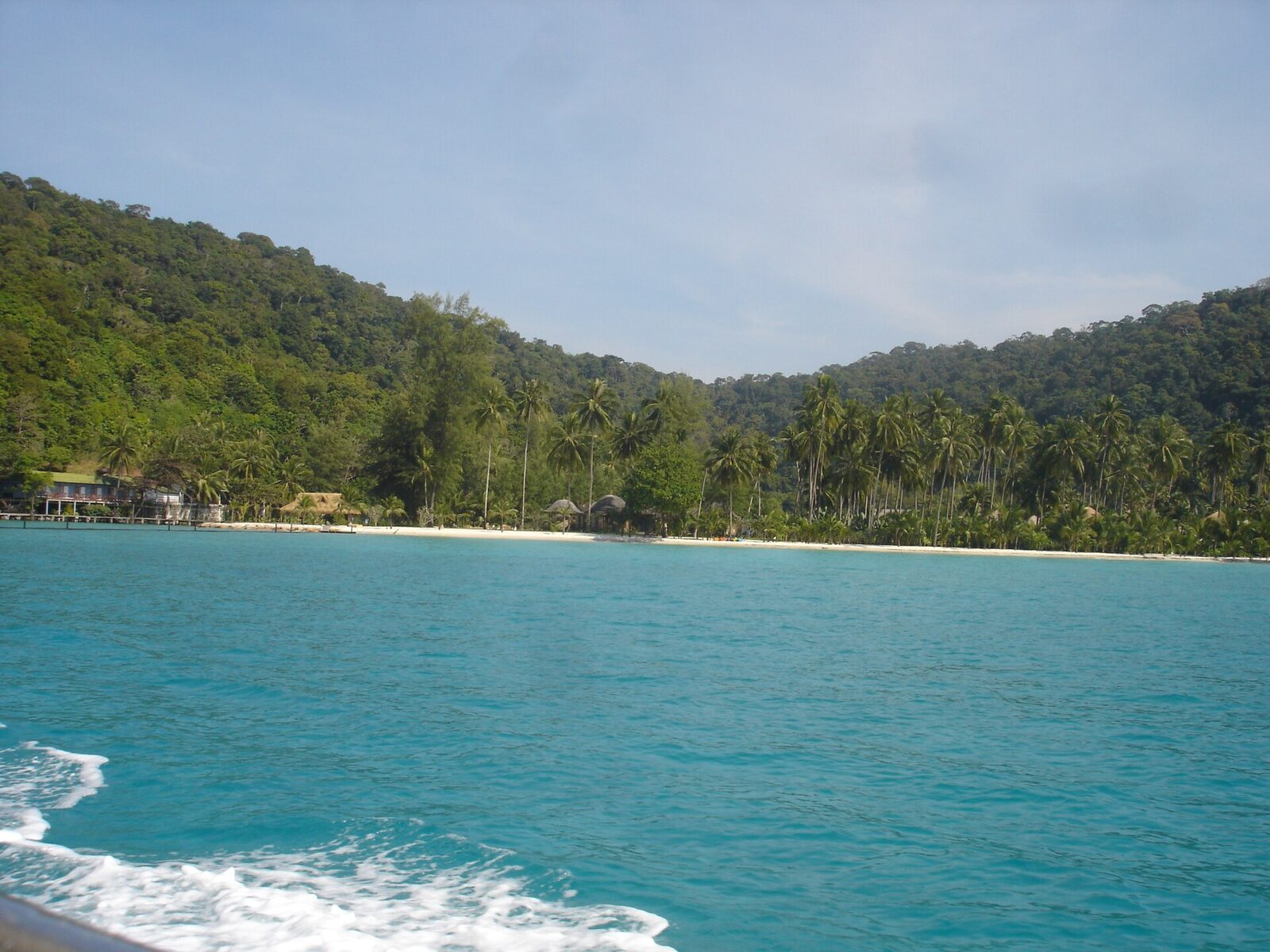
Practically, it changes no routing. A first trip still works best as three bases: Bangkok for temples, markets and Bangkok street food; a beach stretch; and one cultural stop in the north or the old capitals. For beach time without a domestic flight, Pattaya and Jomtien are two hours from Suvarnabhumi by road, and the list of things to do in Pattaya now runs well past its old reputation — Jomtien's quieter south end, the Sanctuary of Truth, and day boats to Koh Larn. Three hours further east, Trat province opens the Koh Chang archipelago, where Koh Kood travel means a longer ferry and far fewer people.
For Thai culture at the centre of a trip, plan around the festival calendar rather than the weather app: Loy Krathong falls in late November 2026, the Yi Peng lantern releases run alongside it in Chiang Mai, and the cool, dry window from November to February is when the whole country is easiest to travel.
Having your say before 28 September
The consultation is run by the Ministry of Tourism and Sports through the government's public-consultation process, and foreign nationals have been explicitly invited to respond — unusual for a Thai rule-making exercise, and worth using if you have a view. The ministry's site carries the current link and an English summary of the draft. After 28 September the decision moves indoors, so this is the last easy moment to influence how the fee is collected, which for most travellers matters more than the 450 baht itself.
Practical tips for travellers
- Do not pre-pay anything. No collection mechanism exists yet. Any site selling a Thailand tourist fee today is a scam.
- Keep your own travel insurance. Tier-one cover is basic accident and emergency only — nowhere near a real policy for two weeks with diving or a scooter.
- Budget 450 baht per person for 2027 trips and forget about it. If it lands mid-trip, it applies at entry, not at your hotel.
- Renting a scooter? Watch the third tier. Compulsory liability cover on rented vehicles is the part most likely to change day-to-day costs in Phuket, Pattaya and Chiang Mai.
- Crossing a land border? You have roughly an extra year before the fee reaches Nong Khai, Aranyaprathet and Padang Besar.
We will keep this piece of Thailand travel news updated as the draft moves through Cabinet.
More Thailand travel news
Sources
- Thailand's 450 baht tourist fee nears public deadline — The Thaiger, 23 September 2026
- Thailand weighs 450-baht tourist fee to build major tourism fund — The Nation Thailand, September 2026
- Thailand proposes 450-baht fee to fund tourism upgrade — The Nation Thailand, September 2026
- Thailand plans to impose tourist fee in Q1 2027 — FTN News
- Thailand's foreign tourist fee: what's actually confirmed so far — Siam Legal