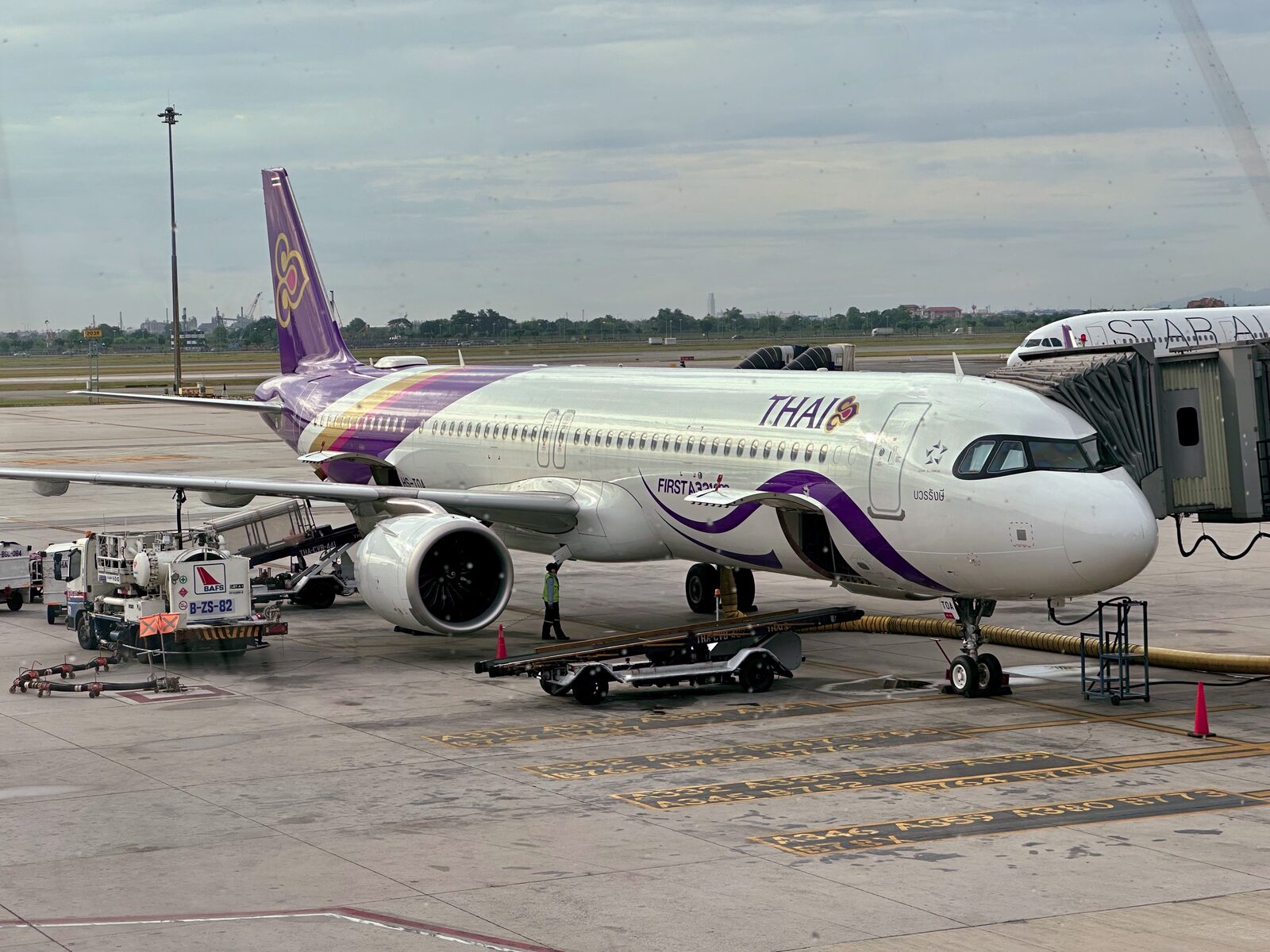
The most useful piece of Thailand travel news this month is not a festival date or a new beach. It is a number. From 4 October 2026, Thailand's Transport Ministry has spelled out, in baht, exactly what an airline owes you when it leaves you sitting in a departure lounge — and it did so after a fortnight that gave a lot of travellers reason to ask.
Thai Airways returned to a full schedule on Saturday 3 October after cancelling flights for the better part of a week at Bangkok's Suvarnabhumi Airport. If you are in the middle of Thailand vacation planning for the high season that starts this month, this is the briefing worth five minutes of your time: what happened, what you can claim, and how to build an itinerary that absorbs a bad day without losing you a hotel booking.
What actually happened at Suvarnabhumi
Two problems arrived at once. Bangkok's late-September floods slowed road access to the airport, and Thai Airways was already short of ground staff — the crews who load bags, push aircraft back and marshal them on stand. Those jobs sit with a subsidiary, WingSpan Services, which staffs them largely with daily and monthly contract workers. When enough of them did not turn up, there was no slack in the system.
The airline grounded 37 domestic and international flights on 29 September, then cut 15 more on 1 October and nine on 2 October. More than 10,000 bags piled up unclaimed at one point, and military personnel were brought in to help clear the backlog. Chief executive Chai Eamsiri said the reduced schedule was deliberate — flying less so that ground services could catch up — with around 105 daily departures on 2 October against a normal 115.
By 3 October roughly 90% of ground staff and 80% of apron crews were back at work and the full timetable resumed. Thai Airways opened its ticket office on Vibhavadi Rangsit Road on 3 and 4 October, 08:00 to 17:00, to deal with affected passengers in person. Thailand's Civil Aviation Authority is now pushing for a rule change to let qualified airlines handle their own ground operations at Suvarnabhumi, as they already can at Don Mueang, so a single staffing failure cannot stall the airport again.
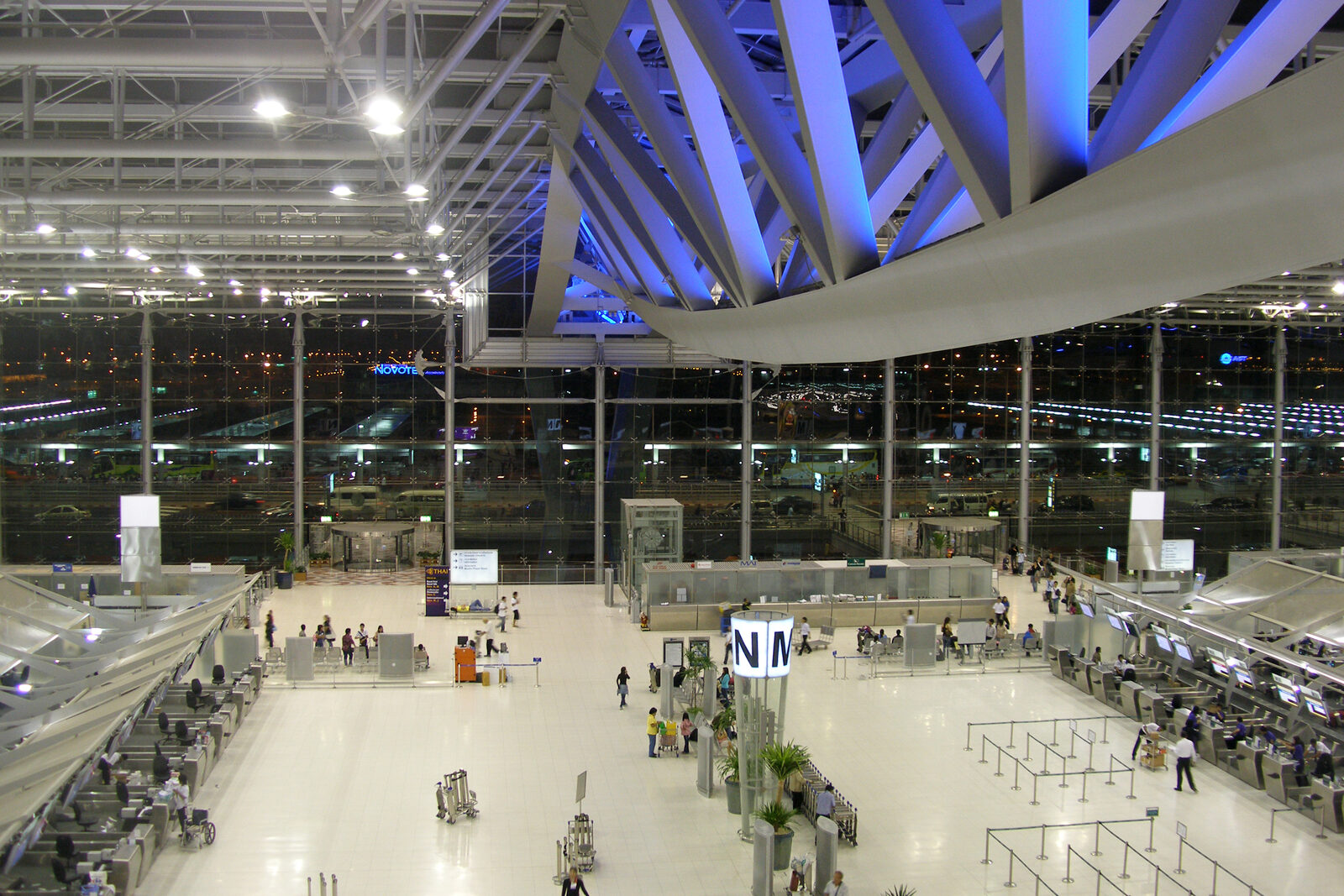
What you are owed: Thailand's delay compensation, in baht
Deputy Transport Minister Siripong Angkasakulkiat set out the rules on 4 October, with the Civil Aviation Authority of Thailand. They are not new — they are the existing passenger protection regulations — but almost nobody travelling knows the thresholds, and airlines are not in the habit of volunteering them. This is the part of the Thailand travel news cycle that is worth saving to your phone.
- Domestic flights, delayed 2 hours or more — food and drink or vouchers, plus a way to make calls or get online.
- Domestic, 3 hours or more — the above, plus the choice of a refund or a replacement flight.
- Domestic, 5 hours or more — all of the above plus 1,200 baht in cash, or travel credit or vouchers if you accept them.
- International, 2 hours or more — food and drink or vouchers, plus communications.
- International, 5 hours or more — refreshments, 1,500 baht cash or an equivalent, and a hotel with transfers if you need one.
- International, 11 hours or more — hotel and transfers plus 2,000 to 4,500 baht depending on the distance of the flight, payable within 14 days.
- Cancellation or denied boarding — food, drink and communications, 1,500 baht cash or an alternative, a full refund or a replacement flight, and a hotel if the replacement leaves a day or more later.
Ask at the airline desk, in the airport, before you leave. Keep your boarding pass and booking reference, and photograph the departures board showing the delay. Cash compensation can be offered as vouchers or credit instead — you are entitled to say no and ask for the cash.
The Thai Airways waiver you may still be able to use
Separately, Thai Airways is running a flood-period waiver for anyone holding a ticket issued on or before 29 September for travel to or from Suvarnabhumi between 26 September and 11 October 2026. There are three options: move to another date on the same route within the ticket's validity with the change fee and no-show penalty waived; change route with no change fee, though any fare difference is still payable; or take a full refund of unused tickets if your flight was cancelled or delayed by more than three hours, with fees waived.
If your dates fall in that window and you have been hesitating, this is the cheapest flexibility you will get all season.
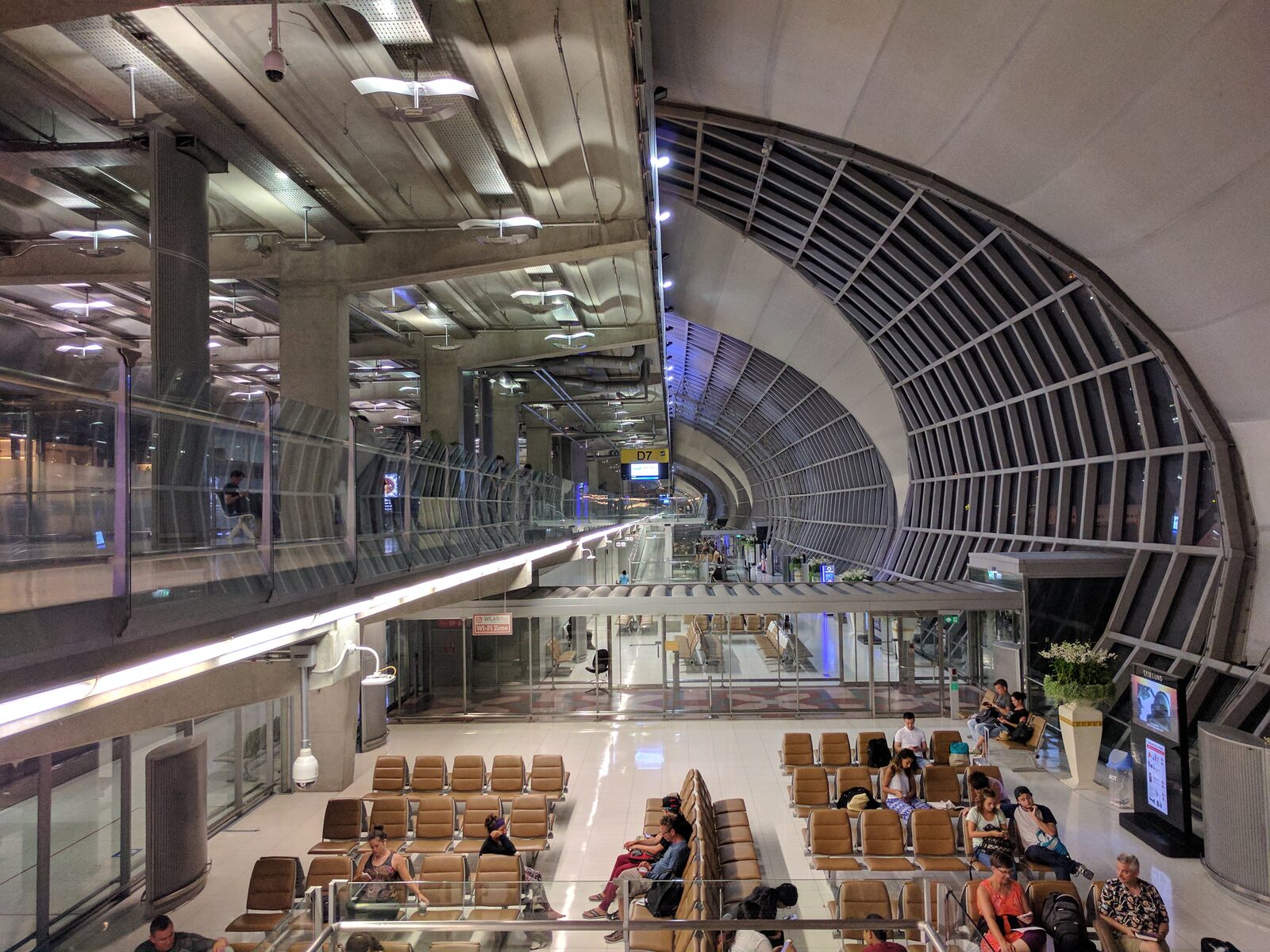
Thai Airways' winter schedule: 66 routes from 25 October
The better news in this week's Thailand travel news is what the airline is about to fly. From 25 October 2026 to 27 March 2027, Thai Airways runs a 66-route winter programme: 15 routes to Europe and Australia, 43 across Asia and eight domestic.
- Paris doubles from 7 to 14 flights a week from 1 December.
- Hong Kong rises from 28 to 35 weekly flights from 1 December.
- Kuala Lumpur goes from 14 to 21 weekly from 1 December.
- Singapore leads Asia with 35 flights a week; New Delhi follows with 28.
- Phuket and Chiang Mai get 63 weekly domestic flights each, with Chiang Mai easing to 49 from 1 February 2027.
For anyone planning to travel to Thailand between November and March, that is a lot of extra seats arriving exactly when demand peaks. It does not make fares cheap — late October onwards is high season and prices climb — but it does mean more rebooking options if something goes wrong, which is the whole point of this article.
How to build a Thailand itinerary that survives a bad day
A week of cancellations is a reminder that the fragile part of a trip is rarely the destination. It is the connection.
- Never book a domestic connection on a separate ticket the same day you land. If the long-haul slips, nobody owes you the second flight. Overnight in Bangkok and fly on in the morning.
- Leave a buffer day before your flight home. One night back in the capital turns a missed island ferry into an inconvenience rather than a disaster.
- Take the Airport Rail Link when the roads flood. Suvarnabhumi to Phaya Thai costs 45 baht and takes about 26 minutes, and it does not sit in traffic.
- Use Grab or Bolt for the airport run otherwise. Fares are set in the app, so there is nothing to negotiate at 05:00.
- Put one change of clothes and your medication in the cabin. The 10,000-bag backlog at Suvarnabhumi is the argument.
- Screenshot your boarding pass and booking reference. Airport wifi is the first thing to buckle when a terminal fills up.
- Allow three hours for an international departure in high season, two for domestic, and more if you are checking bags at a peak hour.
- Check your travel insurance covers delay and missed connection, not just medical. The airline payout above is a floor, not a ceiling.
What the high season actually has waiting
None of this should put anyone off. The month ahead is one of the best windows of the year, and the practical stuff above exists so that the rest of the trip is yours.
- Bangkok — the rains are ending and the Bangkok street food season is at its best, from Yaowarat's night stalls to the morning noodle shops. Our Bangkok travel guide has the routes.
- The east coast — the list of things to do in Pattaya now runs well past the beach road, and the Koh Larn beaches are a 30-baht ferry from Bali Hai Pier. See our Pattaya and Jomtien guide.
- The islands — the Andaman is open again, and Koh Kood travel through Trat remains the quietest option among the Thailand islands on the eastern seaboard.
- The festival calendar — Ok Phansa on 26 October, then Loy Krathong and Yi Peng in late November, the two biggest dates left in Thai festivals 2026 and the best introduction to Thai culture a visitor can get.
The sensible shape of a Thailand itinerary this season is three or four nights in Bangkok, a buffer night either side of any internal flight, and the coast or the north in the middle. Book the flight early, keep the thresholds above somewhere you can find them, and the odds are you will never need them.
More Thailand travel news
Sources
- Thailand clarifies passenger compensation after Thai Airways delays — The Nation Thailand, 4 October 2026
- Thai Airways to restore all flights on October 3 after cuts — The Nation Thailand, 2 October 2026
- Thai Airways extends flight cuts and schedule changes amid operational recovery — The Nation Thailand, 1 October 2026
- Thai Airways ground crisis exposes vulnerabilities in subcontracting model — The Nation Thailand, 2 October 2026
- Thai Airways offers three flood relief options for 26 September-11 October Bangkok flights — The Nation Thailand, 2 October 2026
- Thai Airways sets 66-route winter schedule for peak season — The Nation Thailand
- Thai Airways confirms full flight schedule returns October 3 — The Thaiger, 2 October 2026
- Operational update — Thai Airways International