Phuket Travel Guide
Phuket is Thailand’s biggest island and one of its most popular destinations for good reason. You get long sandy beaches, a proper range of accommodation, good food, and easy day trips to nearby islands and bays. It can feel busy and commercial in the main tourist areas, especially Patong, but the island is large enough that you can still find quieter corners. Whether you want a lively beach base, a more relaxed bay, or a cultural stop in Old Town, Phuket delivers — as long as you choose your area carefully.
How to Get There
Flying in
Phuket International Airport (HKT) is on the north of the island and has frequent direct flights from Bangkok (about 1 hour 20 minutes) as well as many international routes. From the airport, private transfers, Grab, taxis and shared buses can take you to the main beach areas. Travel time to Patong is roughly 40–55 minutes; Kata and Karon take a bit longer.
From Bangkok by land
Overnight VIP buses take 12–14 hours and are a budget option. There is no direct train; the usual alternative is an overnight train or bus to Surat Thani followed by a connecting bus to Phuket.
Once on the island, scooters, Grab and songthaews are the main ways to get around. Traffic can be heavy on the main roads, especially in high season.
Climate & Best Time to Visit
Phuket has a clear dry and rainy season.
Best time: November to April
This is the dry season. Skies are clearer, the sea is calmer on the west coast, and beach conditions are at their best. December to February is peak season with the highest prices and biggest crowds.
Hot dry months: March and April
Very hot and still mostly dry. Good for beach time if you can handle the heat, and rates start to drop a little.
Rainy season: May to October
The southwest monsoon brings more rain, especially September and October. Showers are often heavy but short, and mornings can still be sunny. The west coast can be rough for swimming at times, while the east side and Phang Nga Bay remain more sheltered. Hotel prices are significantly lower.
What You’ll Love Doing Here
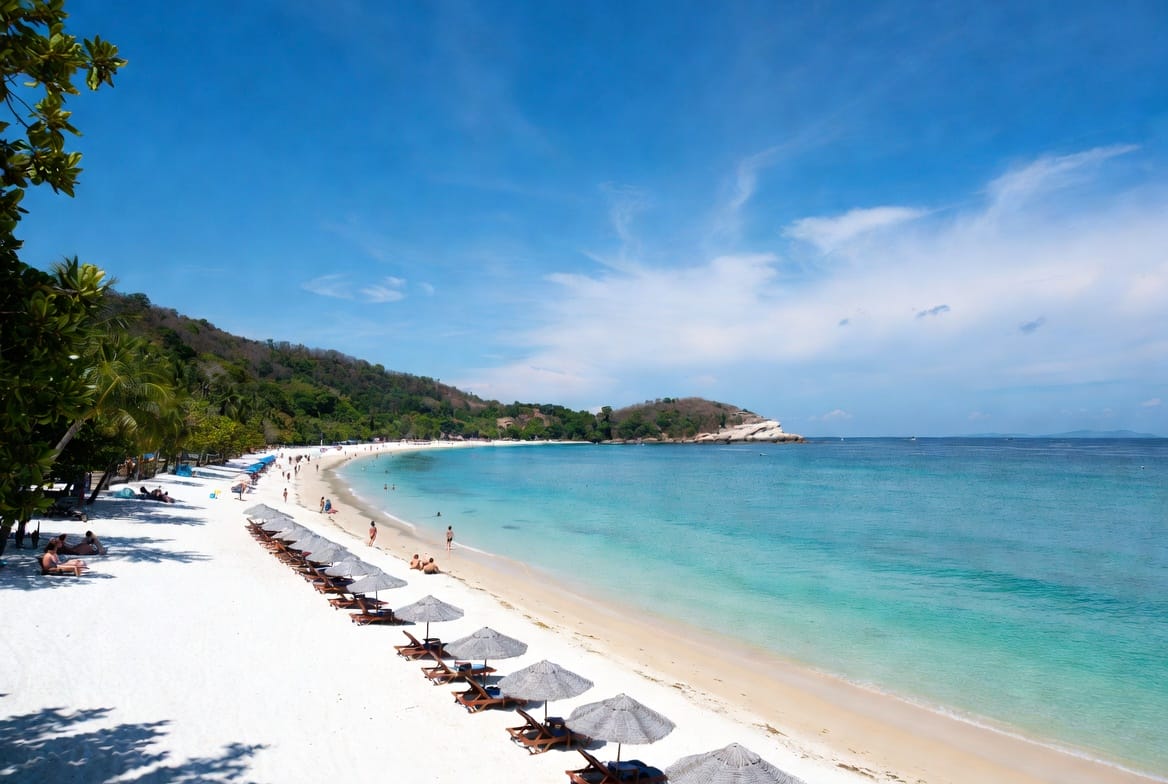
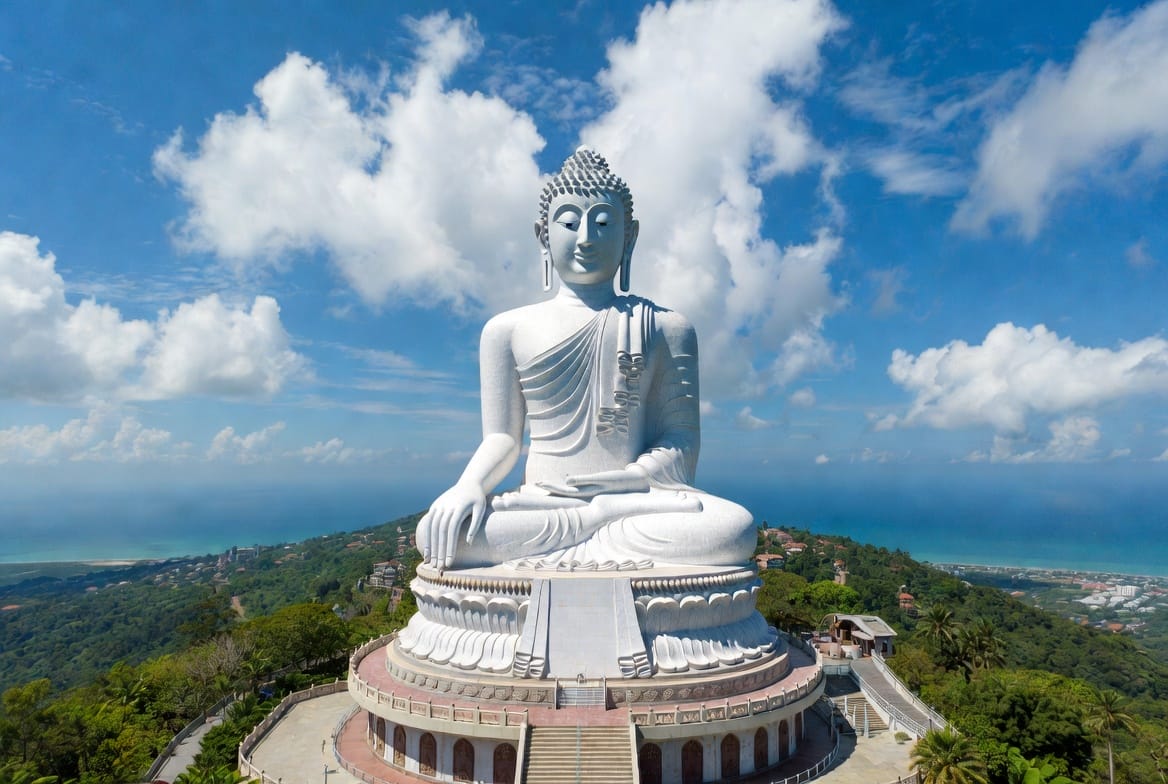
The west coast beaches are the main draw. Patong is the liveliest and most developed — long beach, lots of restaurants, nightlife and water sports. It can feel intense. Just south, Karon and Kata offer a better balance for many people: good sand, more space, and a slightly calmer atmosphere while still having plenty of facilities.
Further north and south you’ll find quieter options such as Bang Tao, Surin, Kamala, Nai Harn and Freedom Beach. Each has its own character, so it pays to match the beach to the kind of stay you want.
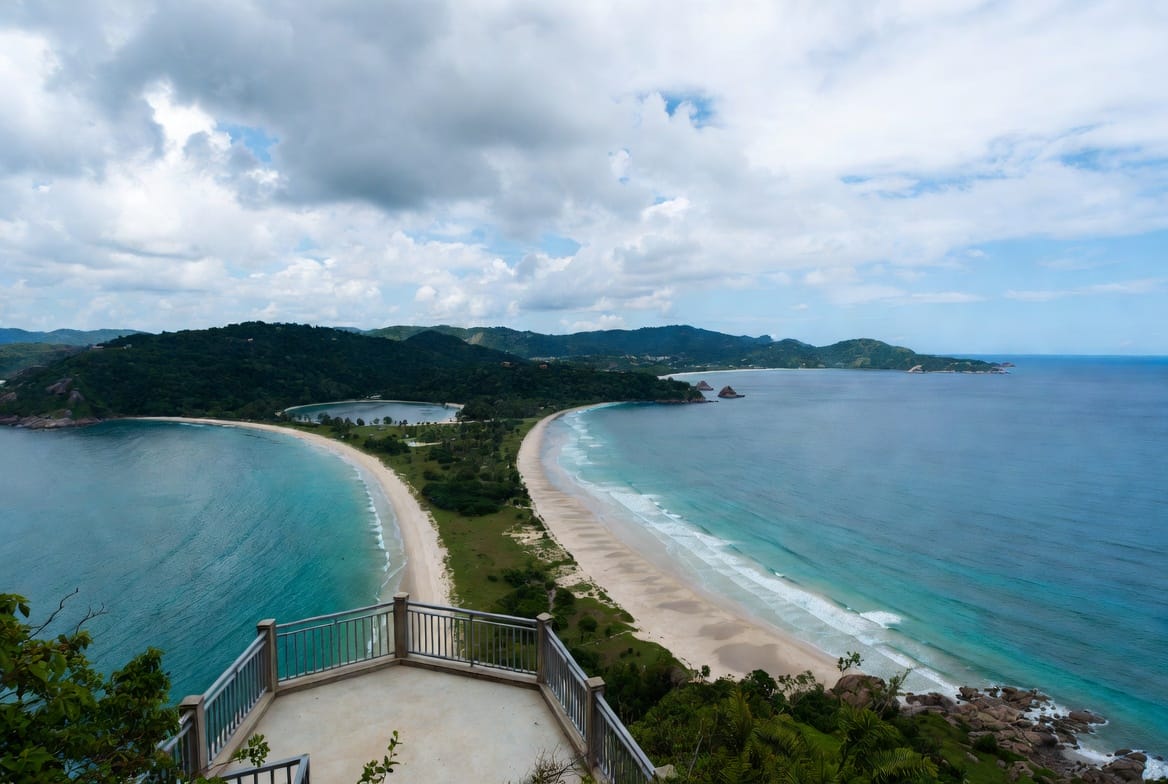
Phuket Old Town is worth a half-day. The Sino-Portuguese shophouses, cafés, street art and small museums give a different side of the island away from the beach scene. The Sunday Walking Street market is especially lively if your timing works.
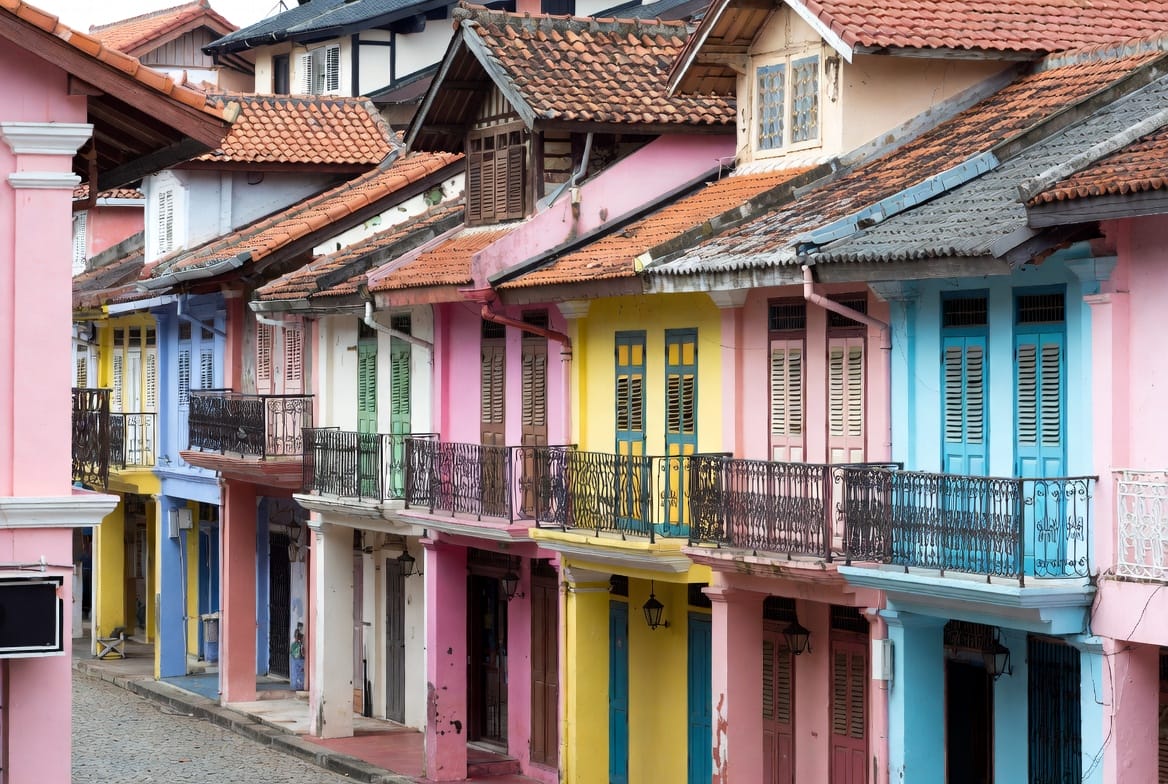
Other popular stops include the Big Buddha for views, Wat Chalong, and Promthep Cape for sunsets. Day trips are easy: Phi Phi Islands, Phang Nga Bay (James Bond Island and the limestone karsts), and the nearby islands of Koh Yao Noi and Koh Yao Yai are all within reach by boat.
Food options range from simple Thai and seafood places to international restaurants. Fresh seafood and local markets are highlights if you seek them out.
Pros and Cons
What people love
- Excellent variety of beaches and accommodation
- Easy international access and good infrastructure
- Wide range of day trips and activities
- Interesting Old Town for a cultural contrast
- Something for almost every type of traveller
What can frustrate people
- Patong and some main areas can feel overcrowded and commercial
- Traffic on the main roads is often heavy
- High season prices are steep
- Some beaches lose their charm under the weight of tourism
- Scooter rental requires care — accidents are common
Why Go
Phuket works because it is convenient and complete. You can fly in, choose a beach that matches your style, and have everything from quiet sand to lively nightlife and easy island day trips within reach. Stay away from the most crowded strips if you want more calm, explore Old Town for a different flavour, and use the island as a base for Phang Nga Bay or the Phi Phi islands. It is busy and touristy in places, but with a bit of planning it still delivers the classic Andaman beach holiday that many people come to Thailand for.