Phang Nga Travel Guide
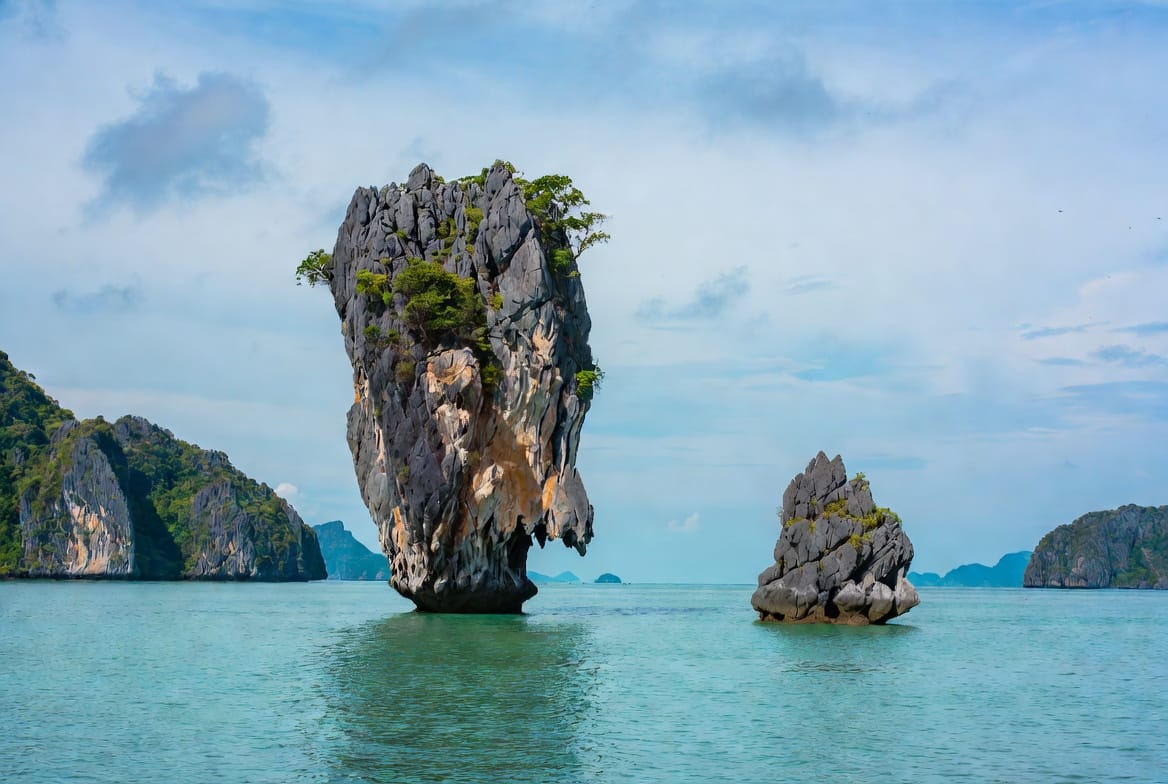
Phang Nga is best known for its spectacular bay of limestone karst islands, most famously the needle-shaped rock at James Bond Island. The area sits just north of Phuket and is usually visited as a day trip, though the province also includes quieter mainland beaches and access to the Similan Islands in season. The real draw is the landscape — towering cliffs, mangrove channels, sea caves and hidden lagoons (hongs) that you can only reach by kayak or canoe. It is one of the most photogenic places in Thailand.
How to Get There
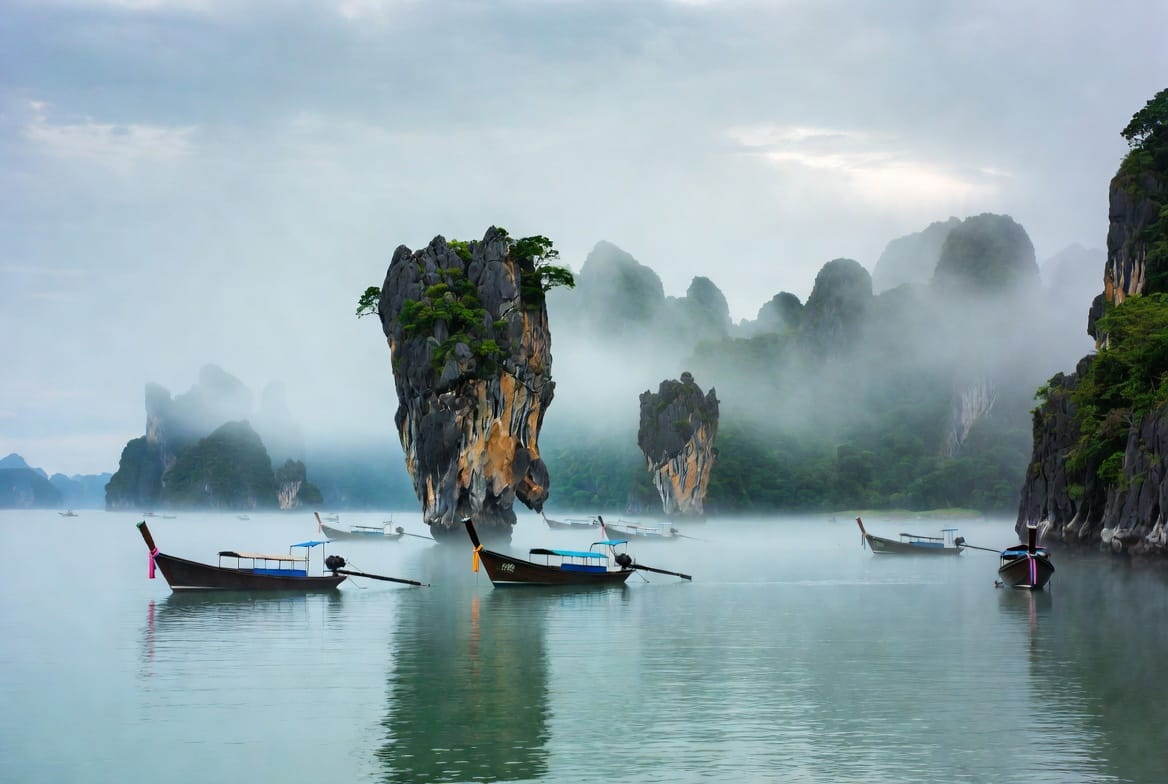
Most visitors reach Phang Nga Bay on a day tour from Phuket. Speedboats and longtail boats depart from piers on Phuket’s east coast (Ao Po, Bang Rong and others). Hotel transfers are usually included. Journey time by boat is roughly 1–2 hours depending on the route and stops.
You can also base yourself in Phang Nga town or nearby Khao Lak and arrange local tours. From Phuket by road it takes about 1–1.5 hours to the mainland side of the bay. There is no airport in Phang Nga; Phuket Airport is the main gateway.
Independent travellers can hire longtail boats from local piers, but organised tours are the easiest way to cover James Bond Island, Koh Panyee and a kayaking session in one day.
Climate & Best Time to Visit
Phang Nga follows the Andaman coast seasons.
Best time: November to April
Dry weather, calm seas and the best conditions for boat trips and kayaking. December to March is peak season.
Shoulder months: November and April
Still good weather with fewer crowds than the middle of high season.
Rainy season: May to October
Heavier rain and rougher conditions on the open sea. The bay itself is relatively sheltered, so some tours still run, but visibility and comfort are lower. The Similan Islands are closed during this period.
What You’ll Love Doing Here
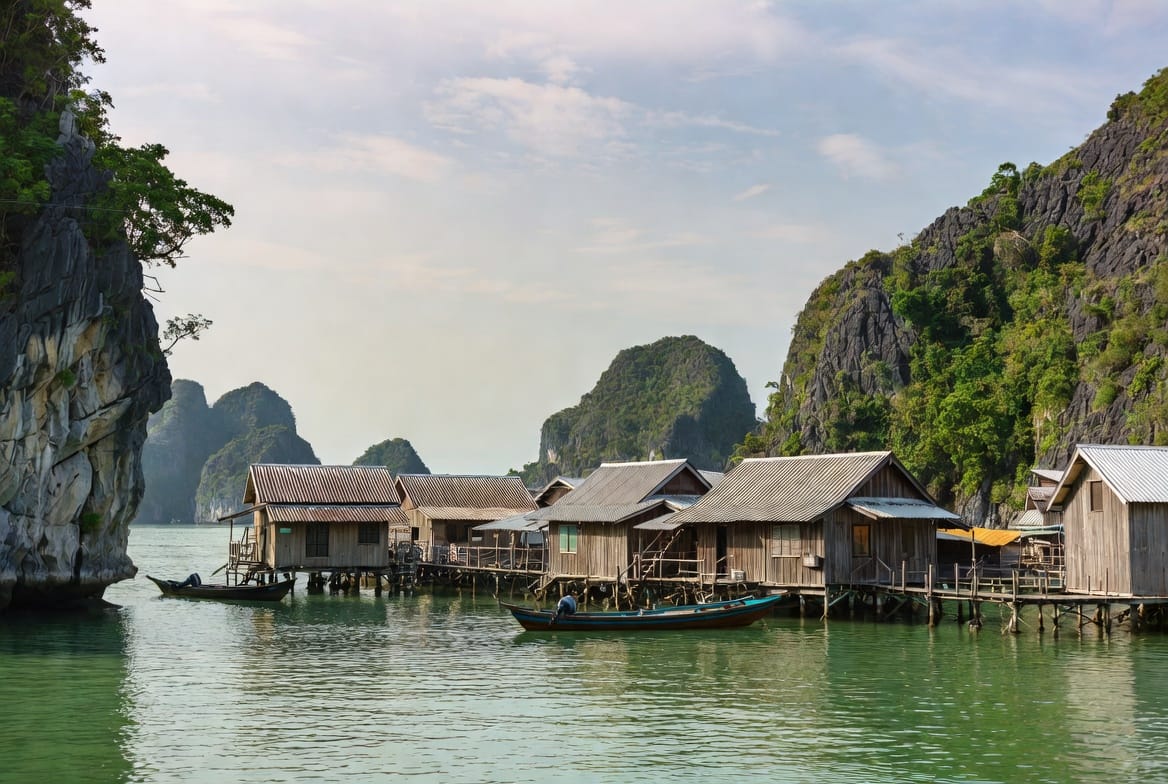
The classic day involves a boat trip through Ao Phang Nga National Park. Stops usually include James Bond Island (Khao Phing Kan / Ko Tapu) for photos of the iconic limestone pillar, a visit to the floating village of Koh Panyee, and time for swimming or lunch.
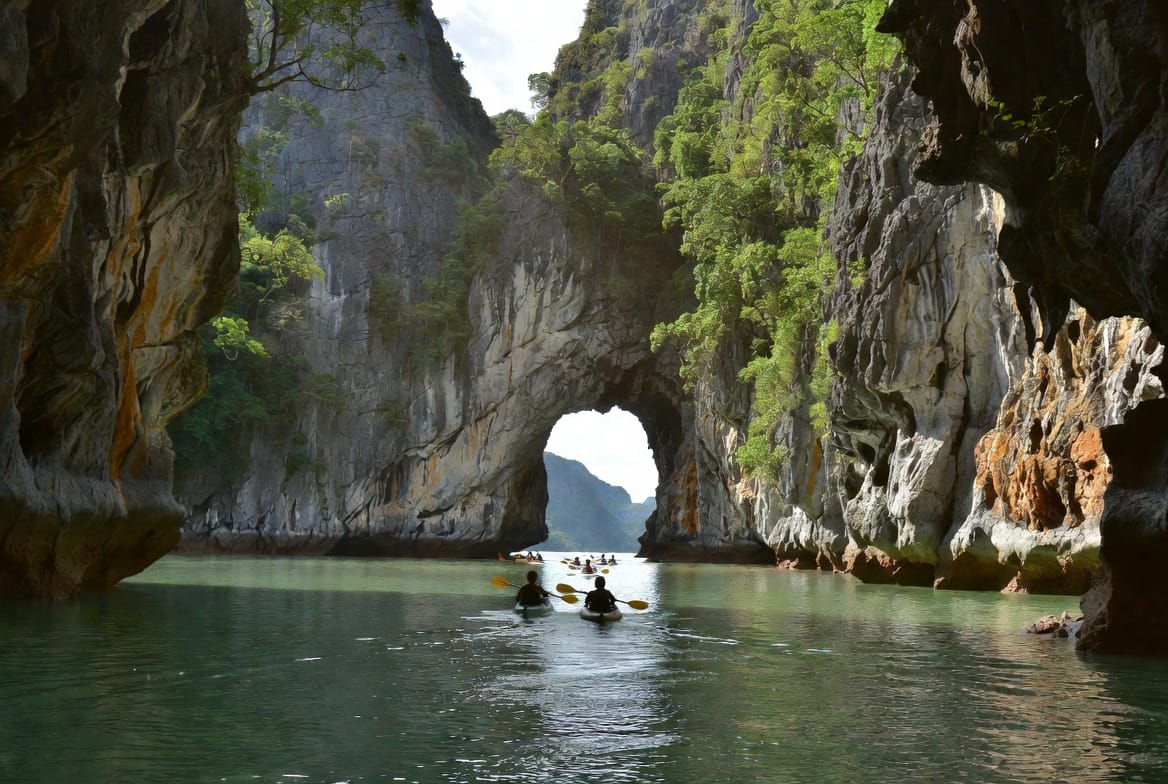
The highlight for many people is sea kayaking or canoeing into the hidden lagoons (hongs) and sea caves. These limestone chambers open into quiet, enclosed lagoons that feel completely separate from the outside world. Guided paddling sessions are included on most good tours.
Other options include mangrove boat rides, quieter beaches on the mainland, and (in high season) day trips or liveaboards to the Similan Islands from the Khao Lak area. Phang Nga town itself is low-key and mainly used as a practical base.
Evenings are quiet. Most visitors return to Phuket or Khao Lak after a full day on the water.
Pros and Cons
What people love
- Extraordinary limestone landscape and hidden lagoons
- Easy day-trip access from Phuket
- Kayaking through caves and hongs is genuinely special
- Interesting stop at the floating village of Koh Panyee
- Relatively sheltered bay that can still be visited in shoulder season
What can frustrate people
- Popular spots (especially James Bond Island) can be crowded with tour groups
- Most visits are day trips — limited overnight infrastructure in the bay itself
- Weather can disrupt boat schedules in the rainy season
- Some tours feel rushed or overly commercial
- Little to do in the evenings if you stay in Phang Nga town
Why Go
Phang Nga is worth visiting for the landscape alone. The combination of towering karsts, quiet lagoons and the chance to paddle into hidden chambers is hard to match elsewhere in Thailand. Go on a well-reviewed tour that includes proper kayaking time, try to start early to beat the biggest crowds at James Bond Island, and leave room to simply sit in the boat and take in the scenery. Whether you base yourself in Phuket or closer to the bay, a day (or more) in Phang Nga is one of the strongest nature experiences on the Andaman coast.