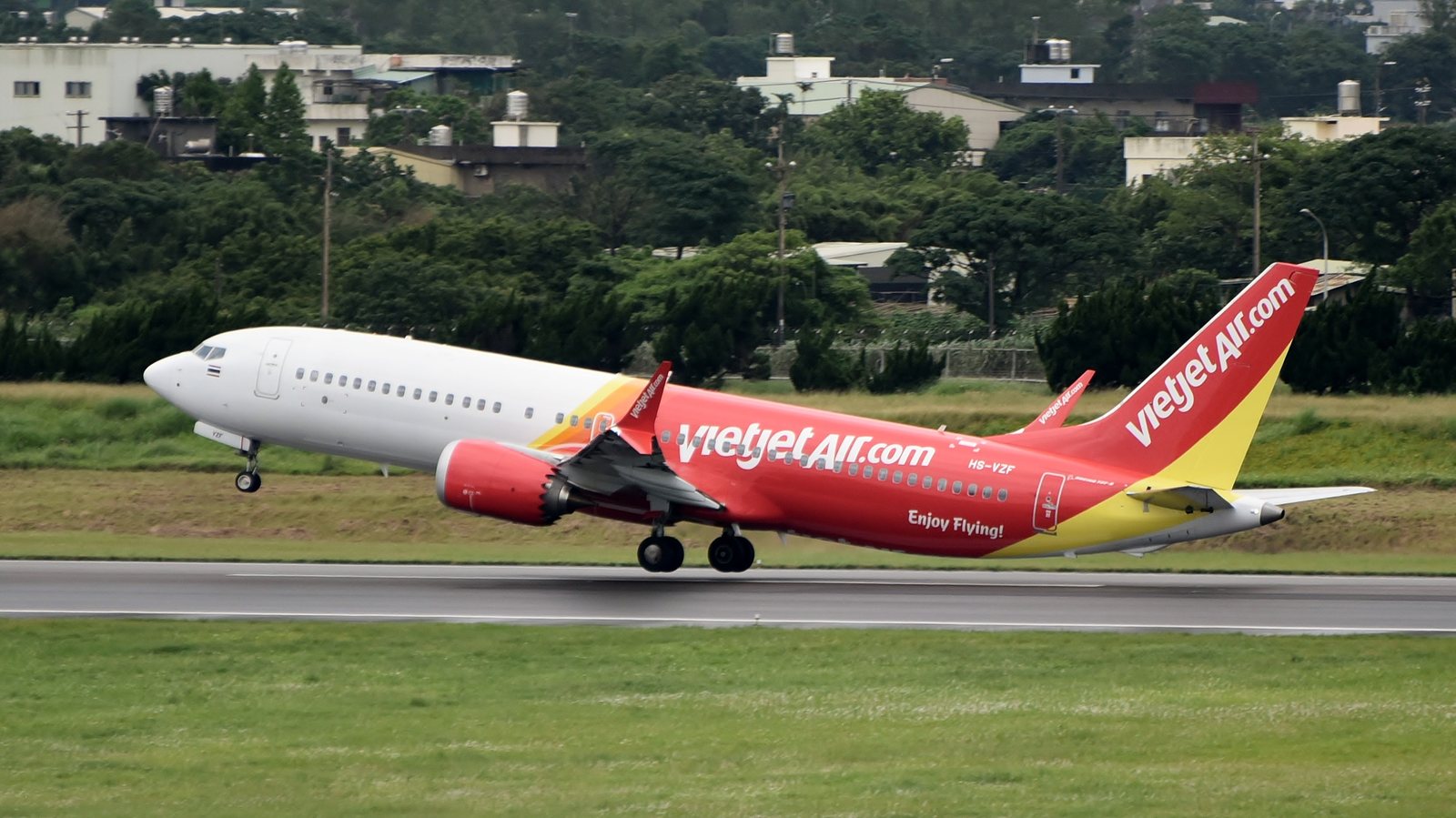
The most useful piece of Thailand travel news this week is not a policy change or a price rise — it is a new seat on a familiar map. On 9 October 2026, Thai Vietjet Air flew its first Kuala Lumpur to Bangkok service, the airline's first direct route into Malaysia, and it is now a daily fixture. The inaugural flight carried 171 of 189 seats, a 90 per cent load factor in both directions, which tells you the demand was already there waiting for someone to serve it.
For anyone doing Thailand vacation planning from Malaysia, Singapore or a long-haul connection through KL, this quietly rearranges the arithmetic of a trip. Here is what is actually flying, what it costs to get from the aircraft door to a hotel at each end, and how to make a mid-afternoon arrival in Bangkok count.
The new Kuala Lumpur to Bangkok flights at a glance
- VZ681 departs Kuala Lumpur 15:15, arrives Bangkok Suvarnabhumi 16:30 — about two hours and fifteen minutes in the air, with Thailand an hour behind Malaysia.
- VZ680 departs Bangkok 11:00, arrives Kuala Lumpur 14:10.
- Aircraft: Boeing 737-8, 189 seats, single class.
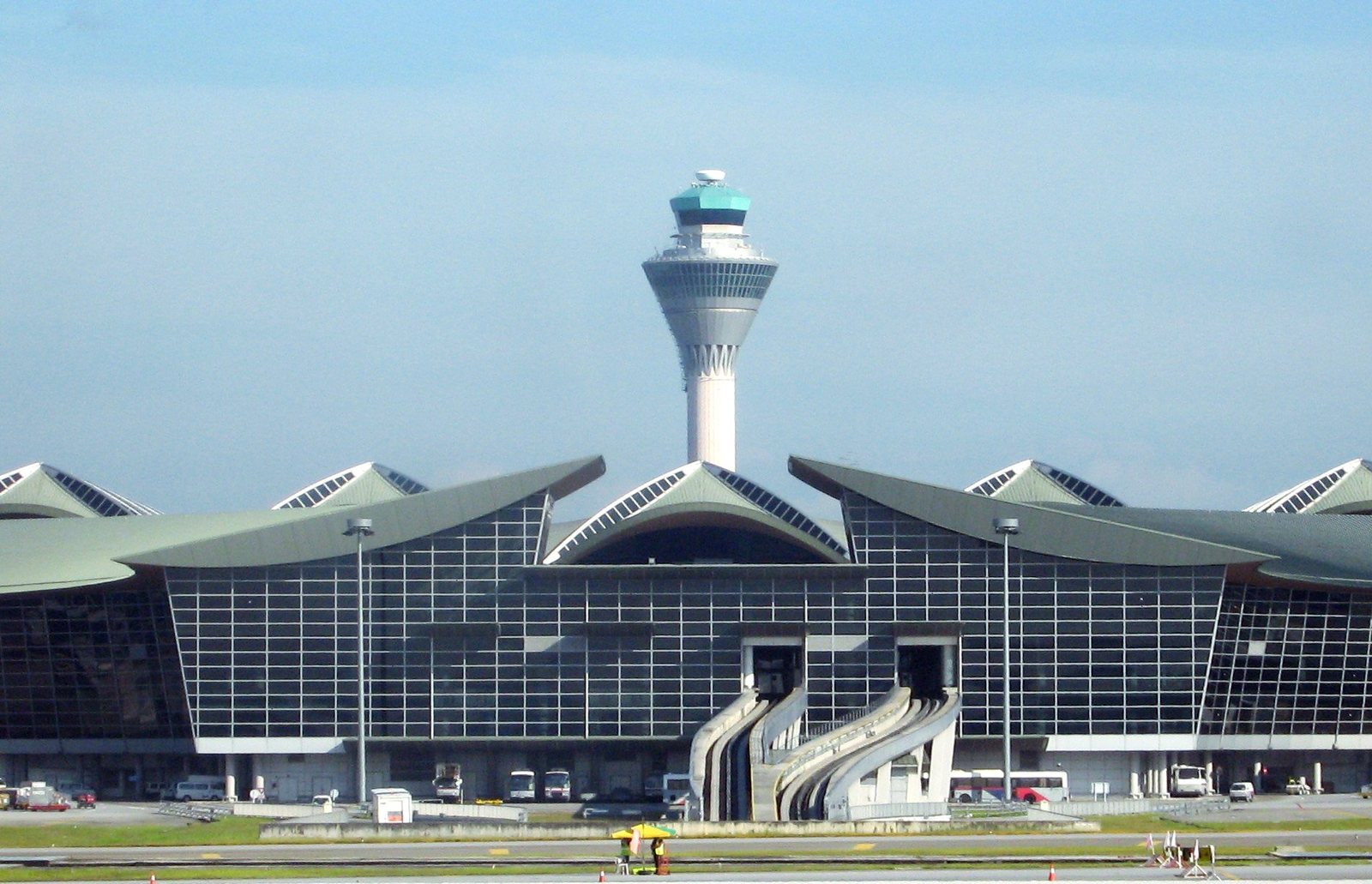
- Airports: KLIA Terminal 2 in Kuala Lumpur, Suvarnabhumi (BKK) in Bangkok — not Don Mueang, which matters if you are connecting.
- Frequency: daily, with the airline saying more Malaysian routes may follow if the numbers hold.
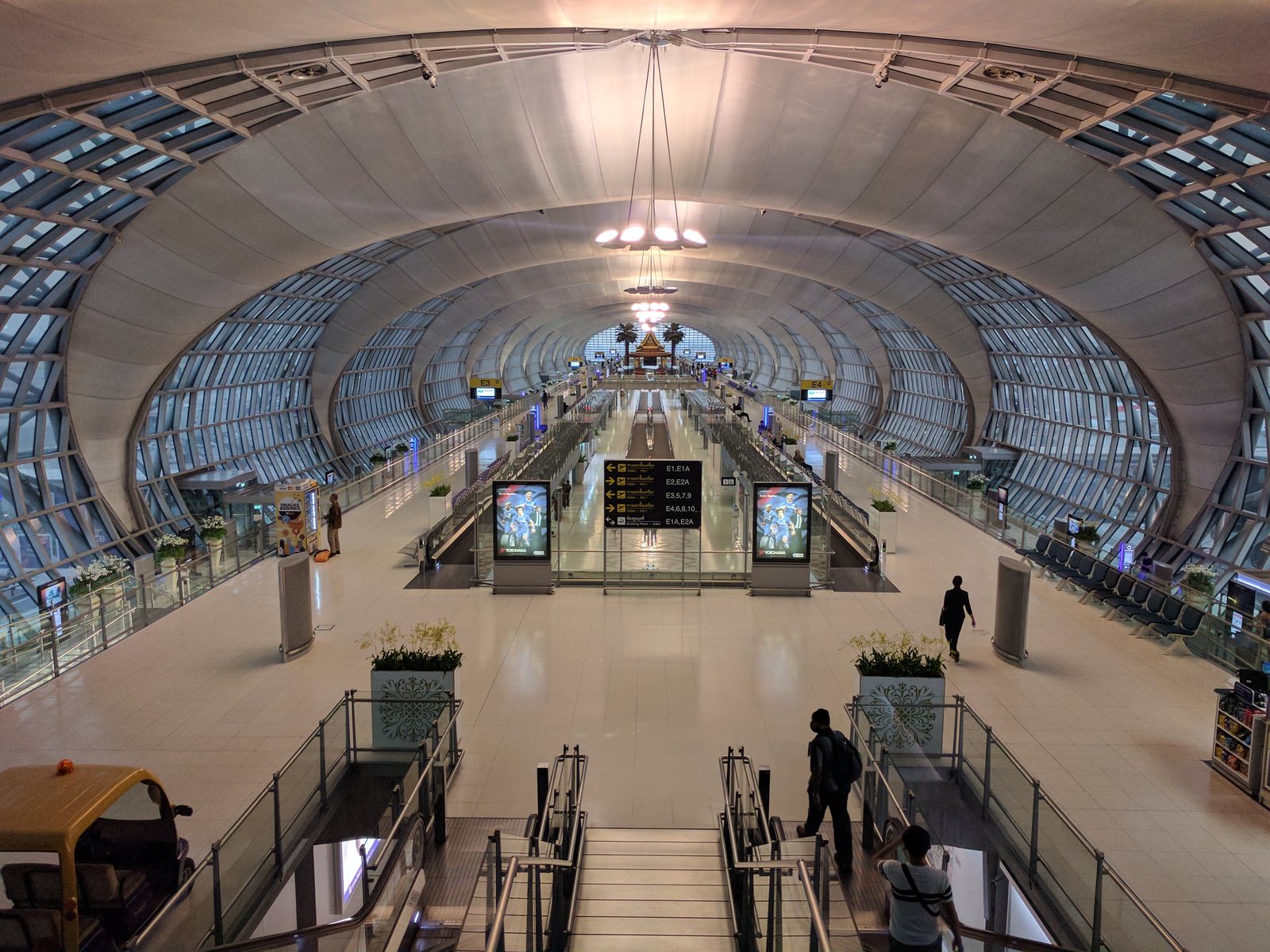
Two details are worth underlining. The first is the Bangkok airport: most low-cost carriers from Malaysia land at Don Mueang, and Suvarnabhumi is the better arrival if you are connecting onward to the islands or want the Airport Rail Link straight into town. The second is the departure time out of KL. A 15:15 push means you can have a full morning in Kuala Lumpur and still be eating dinner in Bangkok, which is exactly the shape of trip that makes a two-country itinerary work.
Why this Thailand travel news matters beyond Malaysia
Malaysia is one of Thailand's largest source markets: 3,006,730 Malaysian arrivals between 1 January and 7 October 2026, according to the Tourism Authority of Thailand. Most of that traffic has historically crossed by road into Songkhla and Hat Yai in the deep south, or flown into Phuket and Krabi. A daily capital-to-capital flight is a different proposition — it puts Bangkok within an afternoon of KL for independent travellers rather than tour groups.
It also matters to anyone who is not Malaysian at all. KLIA is a major long-haul hub, and a reliable daily afternoon departure into Suvarnabhumi gives travellers from Australia, the Gulf and Europe another way to travel to Thailand without routing through Singapore or Hong Kong. TAT's deputy governor for international marketing, Kittipong Prapattong, called Malaysia "a major market for Thailand, with air and land access both playing important roles" — the land access being the point this route is quietly trying to change.
If you follow the pattern of recent Thailand travel news, this is the fourth new or restored international service into Bangkok since September, after LOT's Warsaw route and the expansion of transit programmes at Suvarnabhumi. The airlines are betting on the cool season, and they are probably right.
Getting from Suvarnabhumi into Bangkok
A 16:30 landing puts you into immigration before the evening long-haul wave but into Bangkok traffic at its worst, so skip the taxi queue. The Airport Rail Link runs from the basement of Suvarnabhumi to Phaya Thai in about 26 minutes for 45 baht, connecting to the BTS Skytrain for anywhere along Sukhumvit or Silom. It is the single best value in Bangkok tourism and it does not care about traffic.
If you have luggage or a family, use Grab or Bolt rather than the kerbside touts: expect roughly 400 to 600 baht into central Bangkok depending on district and surge, versus the metered taxi's fare plus a 50-baht airport surcharge and tolls. Agree nothing with anyone who approaches you inside the terminal.
Then eat. A 16:30 arrival lands you perfectly for Bangkok street food hour: the Yaowarat stalls in Chinatown open from around 18:00 and run late, and a plate of pad thai, boat noodles or khao man gai costs 60 to 120 baht. Our Bangkok guide covers which neighbourhoods suit which kind of evening.
Building a Thailand itinerary around the new flight
The daily frequency is what turns this Thailand travel news into something you can actually plan around. A sensible ten-day Thailand itinerary out of Kuala Lumpur now runs: fly in on the afternoon of day one, three nights in Bangkok, then split for the coast, returning to Suvarnabhumi for the 11:00 departure home.
For beaches without a second flight: Pattaya is two hours east of Suvarnabhumi by bus or minivan, around 150 to 250 baht, and the list of things to do in Pattaya reaches a good deal further than its reputation — the Sanctuary of Truth, the Jomtien night market and, best of all, the Koh Larn beaches a 30-baht public ferry from Bali Hai Pier. Our Pattaya and Jomtien guide has the ferry timetable and the beach-by-beach differences.
For the quiet end of the Thailand islands: keep going east to Trat, where Koh Kood travel means a five-to-six hour drive plus a ferry and almost no crowds at the other end. It is the least developed of the big Thai islands and it stays that way because it is awkward to reach.
For Malaysians already crossing by land: this route is the argument for doing both. Fly up to Bangkok, then work south overland through Hua Hin and the Gulf, finishing in Hat Yai for the drive or short hop home. You get the whole length of the country in one trip instead of the same southern provinces again.
What it costs, and when to go
The fare picture is the other half of this Thailand travel news. Kuala Lumpur to Bangkok is one of Southeast Asia's most competitive routes — AirAsia, Batik Air, Malaysia Airlines and Thai Airways all fly it, several times daily between them — and a fifth carrier should keep fares honest. Budget-carrier one-way fares on the route have typically sat in the low hundreds of ringgit when booked a few weeks ahead, rising sharply over school holidays and the year-end peak. Book early for December and January; both ends of this route are at their busiest then.
November to February is the cool season and the best stretch of the year for Thailand vacation planning: dry, clear and comfortable nationwide. It is also peak pricing. Late October and May to June are where the value is, with the Gulf coast reliably drier than the Andaman in early summer.
The season also lines up with the biggest nights on the Thai culture calendar. Loy Krathong and Yi Peng fall on 24 and 25 November 2026, when rivers across the country fill with candlelit krathong and the Chiang Mai sky fills with lanterns — our guide to the 2026 dates has the details. A 15:15 flight from KL lands you in Bangkok in good time for the evening of either.
Practical tips for the new Kuala Lumpur-Bangkok service
- Check your KL terminal. The flight leaves from KLIA Terminal 2, not the main terminal. The free KLIA Ekspres shuttle links the two, but allow for it if you are connecting.
- Complete the Thailand Digital Arrival Card online. It is required, free, and far faster done in the 72 hours before you fly than in the arrivals hall queue.
- Budget for bags. This is a low-cost carrier; checked baggage, seat selection and meals are extras, and buying them at the airport costs considerably more than online.
- Take the train, not the taxi. The Airport Rail Link at 45 baht beats a 500-baht Grab into a 17:30 traffic jam almost every time.
- Carry some cash. Street stalls, island ferries and songthaews are cash businesses. Foreign-card ATM withdrawals carry a 220-baht fee, so take out more, less often.
- Use Grab or Bolt for city hops. Short runs in Bangkok cost 80 to 200 baht and the fare is fixed before you get in.
- Dress for temples. Covered shoulders and knees at the Grand Palace, Wat Pho and every working temple, however hot the afternoon.
- Mind the 11:00 departure home. Flying back on VZ680 means leaving central Bangkok by about 08:00 — book a hotel near a rail link, not a riverside one with a ferry transfer.
As Thailand travel news goes, this is a small item: new routes come and go, and a single daily flight is not going to reshape a country's tourism. What it does change is the friction of a particular trip: a morning in one capital and an evening in another, for the price of a short-haul ticket, every day of the week. For anyone who has been treating Malaysia and Thailand as two separate holidays, that is a reason to treat them as one.
More Thailand travel news
Sources
- TAT welcomes Thai Vietjet Air inaugural Kuala Lumpur-Bangkok service — TAT Newsroom, 9 October 2026
- Vietjet Thailand launches daily Bangkok-Kuala Lumpur flights — Bernama, 9 October 2026
- Thai Vietjet launches daily Kuala Lumpur-Bangkok flights with 90% load factor — Pattaya Mail