Hat Yai Travel Guide
Hat Yai is the largest city in southern Thailand and a major commercial and transport hub close to the Malaysian border. It is not a classic beach or temple destination, but it has a lively urban energy, excellent markets, strong southern Thai and Malay-influenced food, and a few notable temples. Many travellers pass through on the way to the islands or Malaysia; others come specifically for the shopping and night markets. It feels more like a real Thai city than a tourist resort, which is both its appeal and its limitation.
How to Get There
Flying in
Hat Yai International Airport has frequent flights from Bangkok (Don Mueang and Suvarnabhumi) with AirAsia, Nok Air, Thai Lion Air and Thai Airways. Flight time is about 1 hour 20 minutes. The airport is a short taxi or songthaew ride from the city centre.
By train
Overnight trains from Bangkok take roughly 13–16 hours and are a comfortable budget option. Hat Yai Junction is a major station on the southern line.
By bus
Frequent buses and VIP coaches leave from Bangkok’s Southern Bus Terminal (Sai Tai Mai). Journey time is around 12–14 hours.
Within the city, songthaews, tuk-tuks and Grab cover most distances. The centre is walkable in the main commercial areas.
Climate & Best Time to Visit
Hat Yai has a tropical climate with a distinct wetter period later in the year.
Best time: December to March
Generally drier and more comfortable for walking around markets and temples. January and February are especially pleasant.
Hotter months: April and May
Temperatures rise and humidity is high, with increasing showers.
Rainy season: August to November
Heavier rainfall, with November often the wettest month. Flooding can occasionally affect low-lying areas. Prices are lower and the city is quieter.
What You’ll Love Doing Here
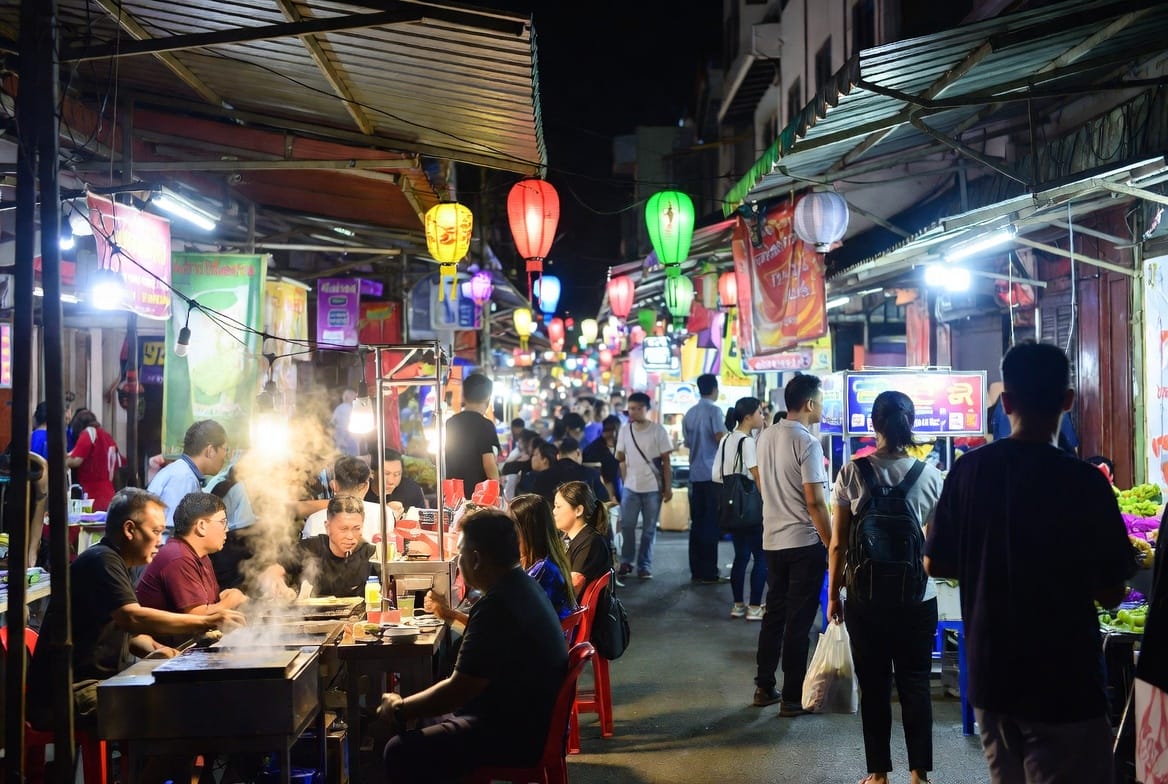
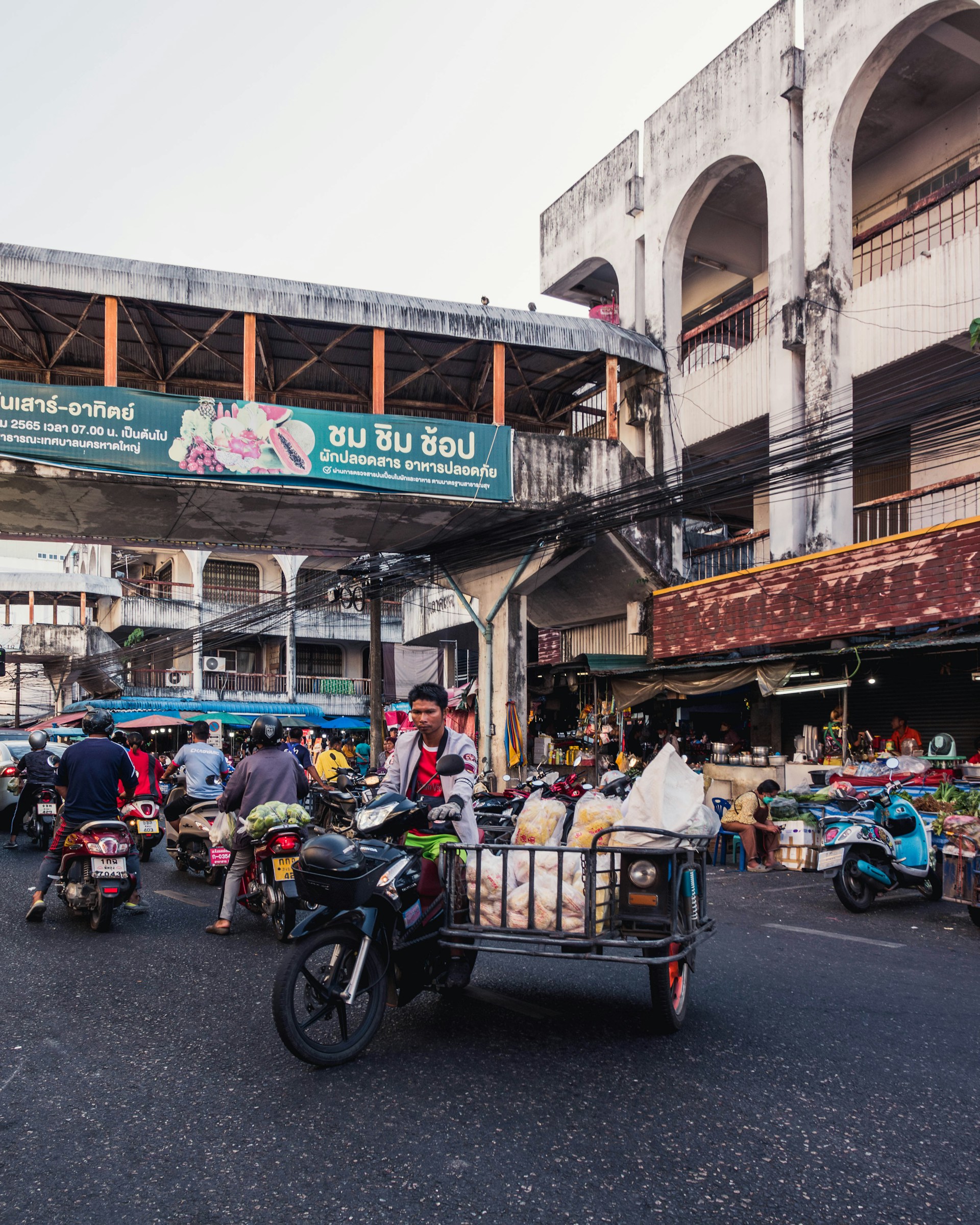
Markets and food are the real highlights. Kim Yong Market is a large central market good for dry goods, snacks and everyday shopping. In the evenings, places like the ASEAN Night Bazaar and Greenway Night Market come alive with street food, clothing and a lively atmosphere. Southern Thai and Chinese-Malay influenced dishes are excellent and inexpensive.
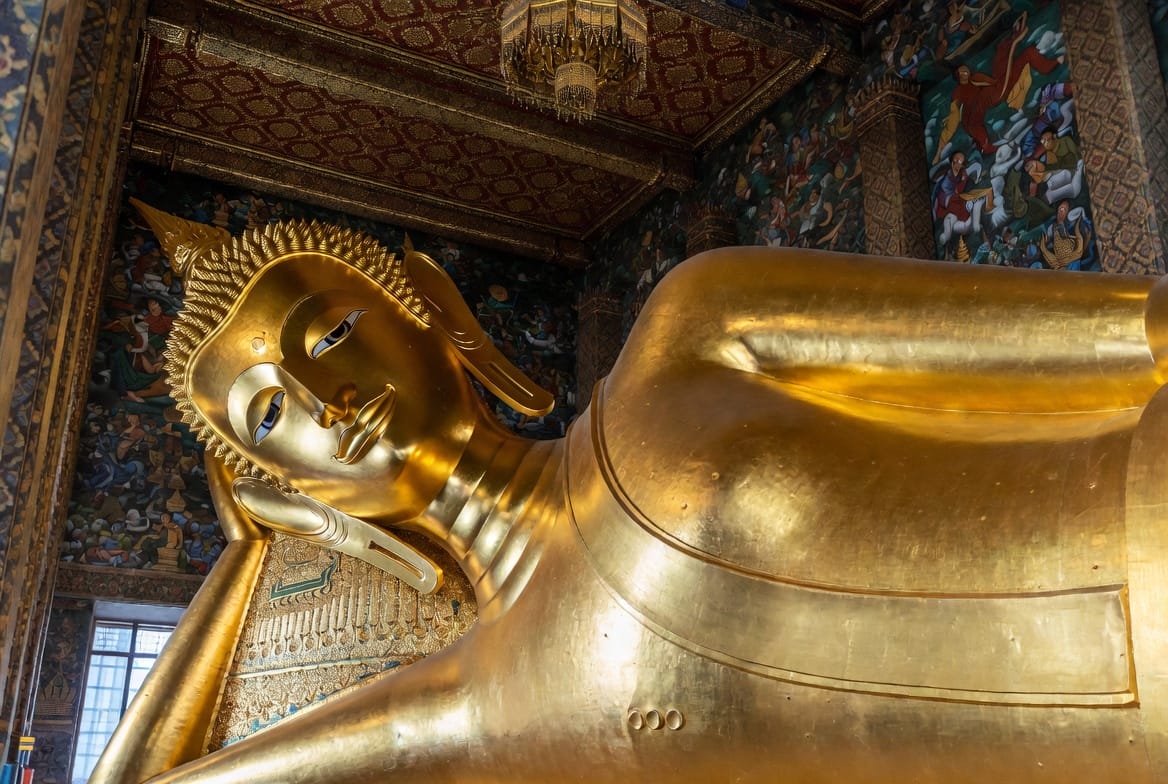
Wat Hat Yai Nai houses one of the largest reclining Buddhas in Thailand — a 35-metre golden figure that is worth the short trip from the centre. Other temples and Chinese shrines add to the cultural mix.
Weekend visitors sometimes head to the Khlong Hae Floating Market (Friday–Sunday afternoons) for a more atmospheric food experience. Shopping malls such as Central Festival provide air-conditioned contrast to the street markets. The city also serves as a convenient base for short trips toward Songkhla or the border.
Evenings are when Hat Yai feels most alive. Street food, neon lights and the mix of Thai, Chinese and Malay influences give the city its distinctive southern character.
Pros and Cons
What people love
- Excellent and affordable southern Thai / Malay-influenced food
- Lively night markets and shopping
- Genuine urban Thai atmosphere with few foreign tourists
- Good transport links (airport, trains, buses)
- Interesting reclining Buddha and local temples
What can frustrate people
- Not a scenic or beach destination
- Limited major sightseeing attractions
- Can feel hot, humid and busy
- Less English spoken than in major tourist centres
- Heavy rain possible in the later months of the year
Why Go
Hat Yai works best as a stopover or short city break rather than a primary holiday destination. Come for the markets, the food, the reclining Buddha and a taste of everyday southern Thai urban life. It is practical, energetic and authentic. If you are travelling through the deep south or heading toward Malaysia, it makes a convenient and interesting place to pause for a night or two. Just don’t expect beaches or dramatic scenery — the appeal here is the street-level energy and the food.