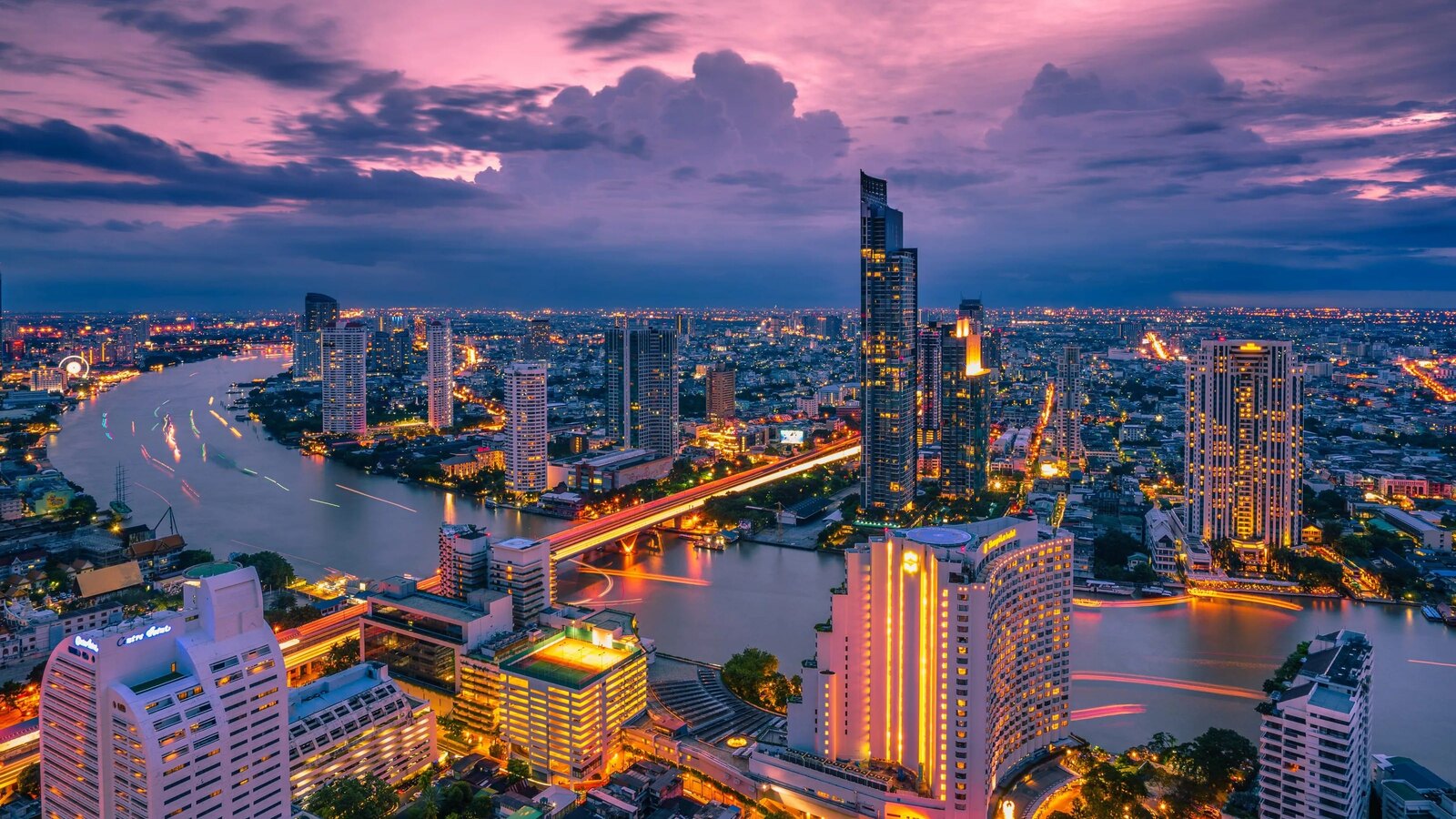
Thailand welcomed more than 18.5 million foreign visitors between 1 January and 1 August 2026 — an enormous number that is also, quietly, a little smaller than last year's. That combination is the heart of this Thailand tourism update. The country is busy, but not quite as busy as it was, airlines keep adding seats into Bangkok, and the August event calendar is unusually full. For anyone in the middle of Thailand vacation planning, that is a genuinely favourable set of conditions.
The numbers behind this Thailand tourism update
Official figures put arrivals for the first seven months of 2026 at just over 18.5 million, generating more than 896 billion baht in tourism revenue. The headline is a 3.19 per cent decline against the same stretch of 2025. In the single week from 26 July to 1 August, 567,312 people arrived — an average of 81,045 a day.
The five largest source markets over the period were:
- China — 3,078,486 visitors
- Malaysia — 2,373,537
- India — 1,376,433
- Russia — 1,100,847
- South Korea — 679,064
A three per cent dip is not a crisis, and it does not mean empty beaches. What it does mean, in practice, is a little more room: softer hotel occupancy outside the peak, restaurant tables that do not need booking a week ahead, and shorter queues at the Grand Palace and Wat Pho first thing in the morning. Combine that with low-season pricing and August starts to look like a smart month rather than a compromise.
New flight routes are making travel to Thailand easier
The most concrete part of any Thailand tourism update is air access, and this week brought two additions. On 6 August, TransNusa Airlines flight 8B381 landed at Suvarnabhumi from Jakarta on its inaugural run, launching a twice-daily service between the two capitals. The 174-seat Airbus A320 flies 14 times a week, adding roughly 2,500 inbound seats weekly and more than 130,000 a year. Departures leave Jakarta at 08.20 and 16.40, arriving in Bangkok at 11.45 and 19.55; returns leave Bangkok at 12.30 and 20.40.
Two days earlier, the Tourism Authority of Thailand signed agreements with TransNusa and the booking platform Traveloka covering destination marketing and route development. A direct Bali–Phuket service is planned under that agreement for late 2026, which would open the Andaman coast to Indonesian and Australian travellers without a Bangkok connection.
Separately, Sun PhuQuoc Airways begins a daily Bangkok–Phu Quoc service on 8 August, flown by an A320neo on a flight of about one hour and twenty minutes. Bangkok becomes the carrier's sixth international destination in under five months.
- Why it matters — more short-haul competition into Bangkok usually softens regional fares, and adds options for open-jaw routings.
- Which airport — both new services use Suvarnabhumi (BKK), not Don Mueang. Allow 60–90 minutes between terminals if you are connecting.
- Planning tip — a Bangkok arrival and a Phuket or Krabi departure often costs no more than a return, and saves a whole day of backtracking.
Thai festivals 2026: what August has on
August is Thailand's quiet green season, and the festival calendar compensates. Mother's Day falls on 12 August, the birthday of the late Queen Sirikit, and it anchors a run of community events. It is also a public holiday, so domestic travel and hotel demand both spike for a few days around it — worth knowing before you fix dates.
- 7–9 August, Pran Buri — the Sun-Dried Squid & Seafood Festival alongside the Mini Balloon Festival, with night balloon glows on Pak Nam Pran beach.
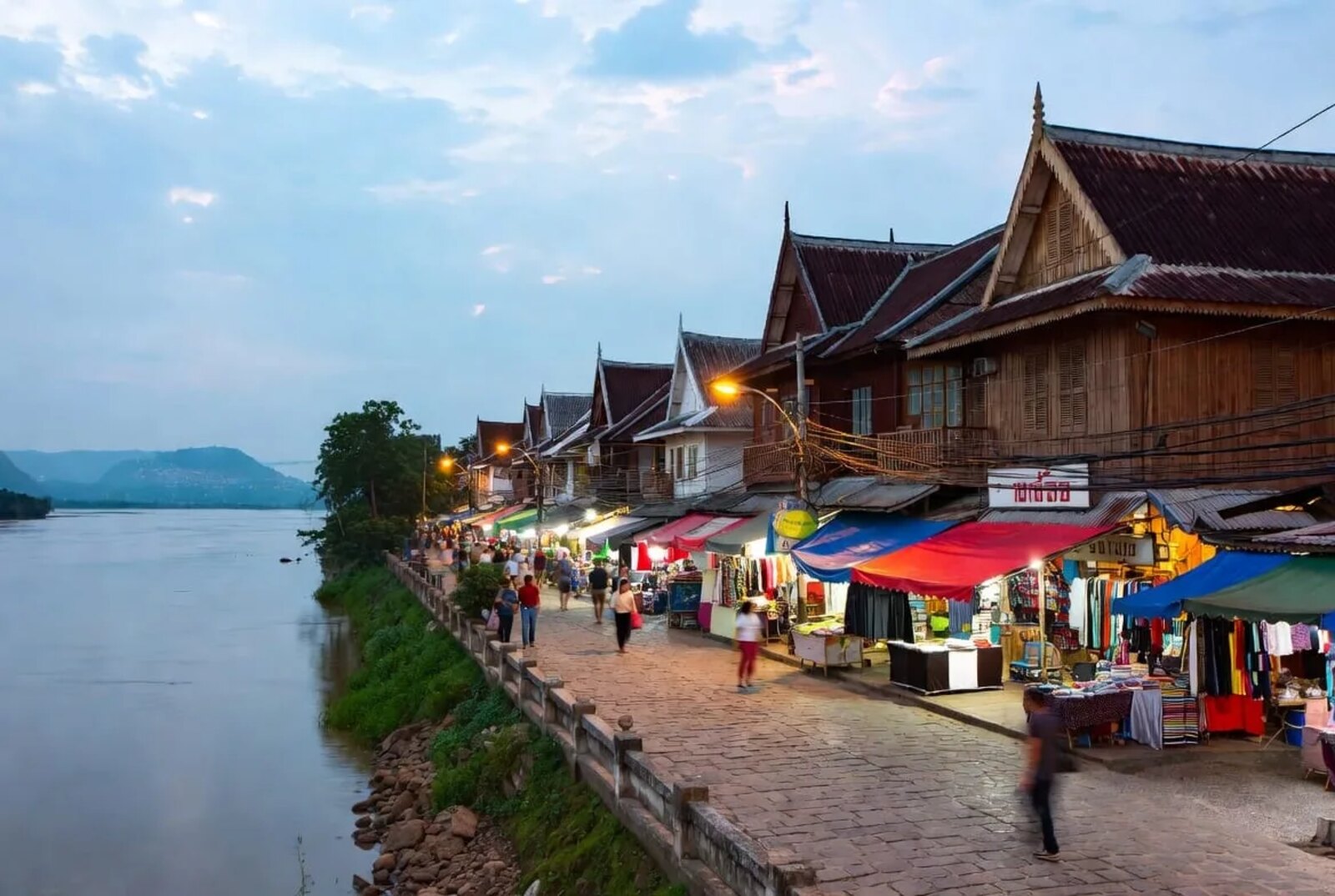
- 10–16 August, Chiang Khan — a week of riverside food, shopping and live music along the Mekong for Mother's Day.
- 14–17 August, Bangkok — Character Fest Thailand 2 at CentralWorld, a pop-culture festival on a “Pop Star Party” theme.
- 16 August, Hat Yai — one of southern Thailand's largest alms-giving ceremonies, with thousands of monks in the city centre.
- 20–23 August, Bangkok — Thai Teaw Thai 79th at the Queen Sirikit National Convention Center, the country's biggest domestic travel fair and a good place to find hotel deals.
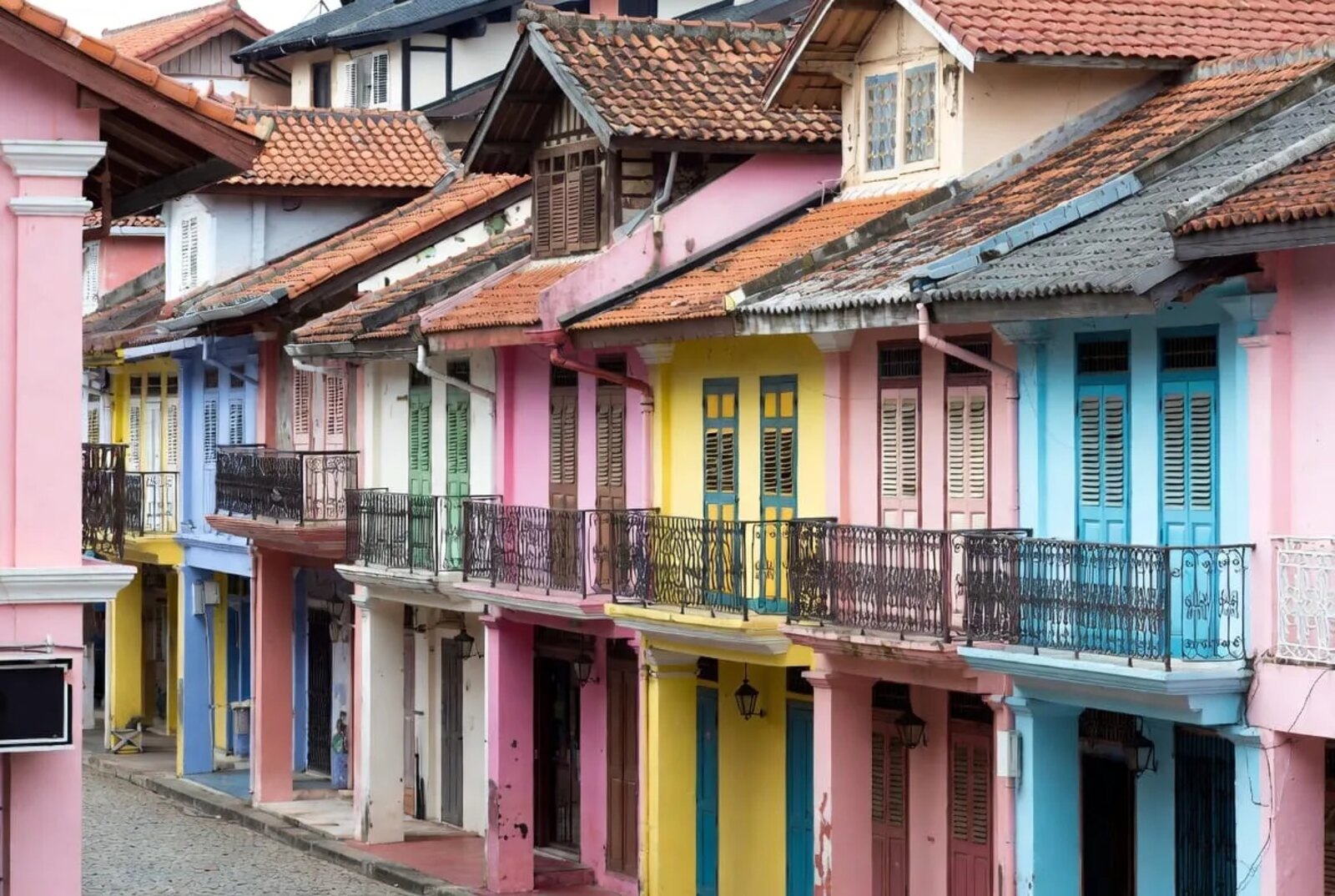
- 23–29 August, Phuket Old Town — Illuminating Peranakan, a week of light installations celebrating Phuket's Peranakan heritage.
Bangkok tourism: what to do with a quieter city
Bangkok tourism absorbs the largest share of arrivals, and it is the city where a three per cent dip is most noticeable at ground level. Use it. The Grand Palace and Wat Pho are calmest between 08.30 and 10.00; Wat Arun is best in the last hour of light from the Chao Phraya's east bank. The Chao Phraya express boat costs a fraction of a taxi and doubles as a river tour, and the MRT and BTS between them now reach almost everywhere a visitor needs.
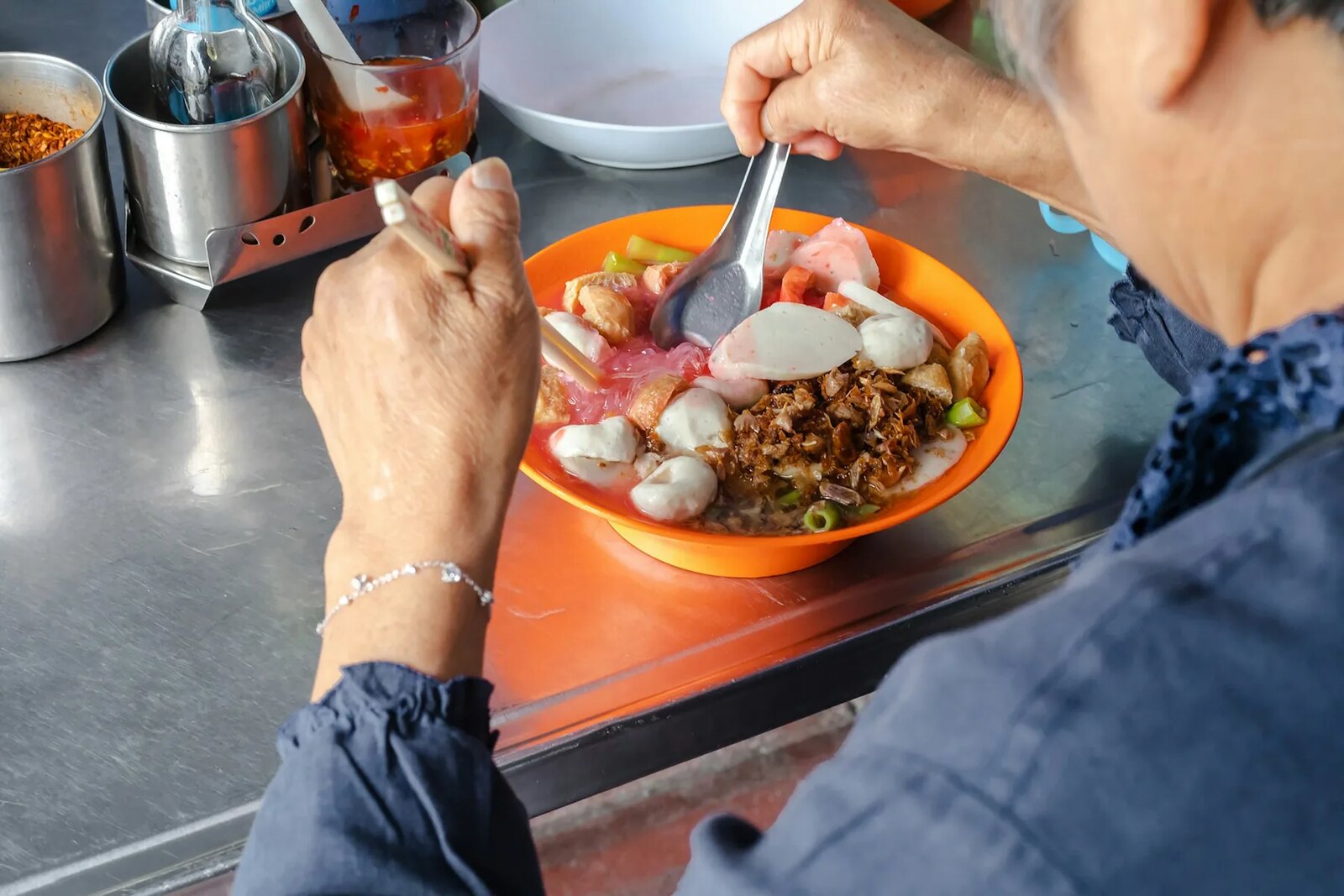
Bangkok street food is the other reason to be in the city in the low season: the crowds around Yaowarat and Ratchawat thin out, and you can actually sit down. Expect 50–80 baht for a bowl of noodles, 60–100 baht for a plate of rice and curry, and 40–60 baht for a mango sticky rice worth queueing for. Grab and Bolt both operate citywide with the fare shown before you book, which removes the meter argument entirely.
Thailand islands: where August weather actually works
The single most useful thing to understand when you travel to Thailand in August is that the country has two coasts on opposite weather schedules. The Andaman side — Phuket, Krabi, Koh Lanta, Koh Lipe — takes the southwest monsoon from May to October. The eastern Gulf, meaning Pattaya, Koh Samet, Koh Chang and Koh Kood, stays comparatively sheltered across the same months.
That makes the eastern chain the obvious choice right now. Koh Larn beaches are a 40-baht public ferry from Pattaya's Bali Hai Pier; Koh Samet is roughly two hours further east; Koh Chang another three; and Koh Kood travel adds a final ferry from Trat for the quietest water of the lot. Our Pattaya and Jomtien guide and Koh Chang guide cover where to base yourself on each.
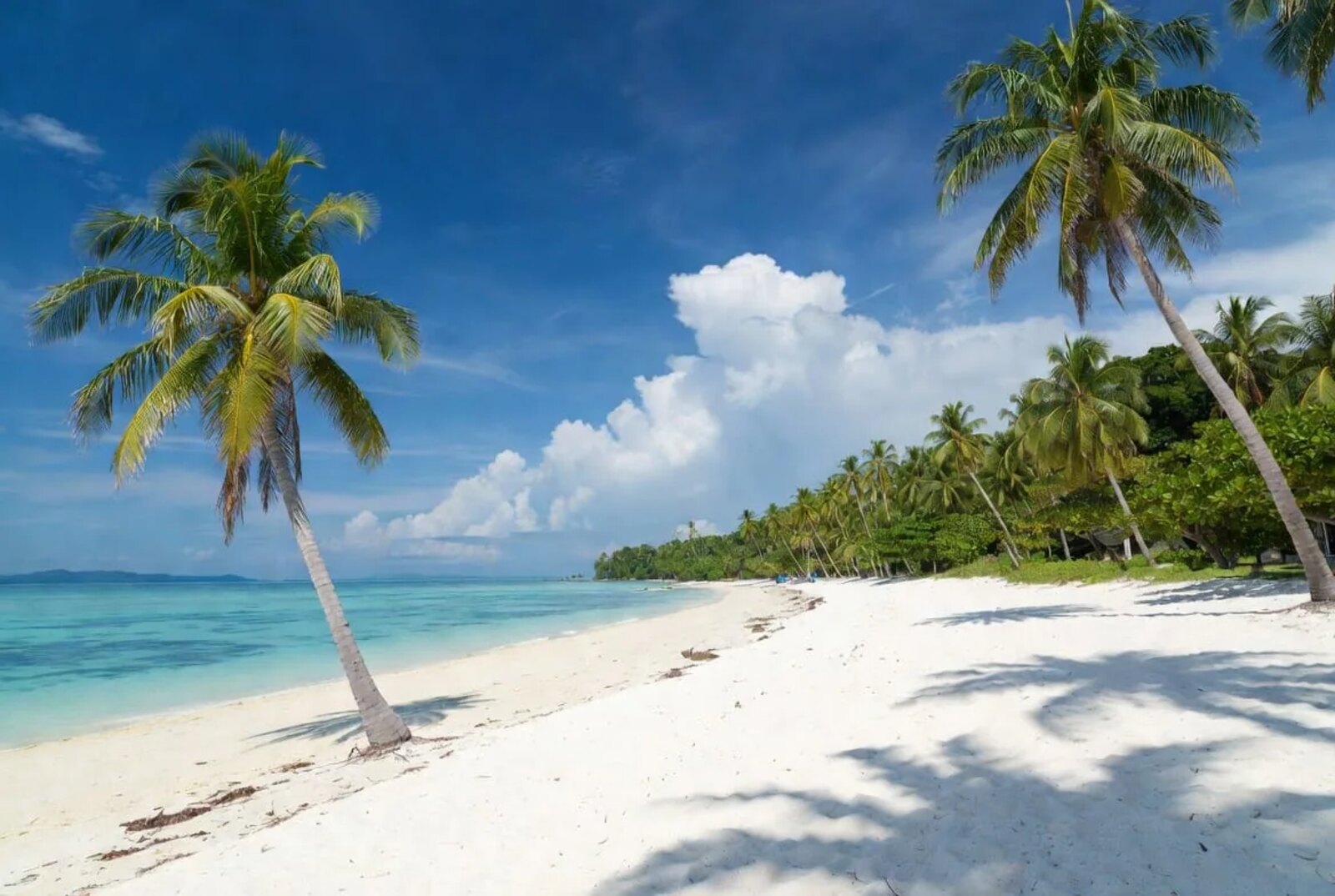
A workable two-week Thailand itinerary from here: three nights in Bangkok, three in Chiang Mai or Chiang Khan for Thai culture and cooler evenings, then a week on the eastern Gulf with one flexible day held back for weather. If you would rather chase the Andaman, go in November instead — the same route in reverse is one of the best months of the year.
Thailand vacation planning: practical tips for August
- Book flexible rates. Low-season cancellation terms are generous, and one storm should not cost you a hotel night.
- Avoid 11–13 August for domestic travel. Mother's Day is a public holiday and buses, trains and Gulf ferries fill quickly.
- Carry small notes. Ferries, songthaews and market stalls still run on cash, even where cards are accepted.
- Pack a light rain shell, not an umbrella. Green-season storms arrive with wind behind them and clear within the hour.
- Use the apps. Grab and Bolt show the fare before you book in Bangkok, Pattaya, Chiang Mai and Phuket.
- Check festival dates before booking. Event schedules shift; confirm with the Tourism Authority of Thailand's monthly calendar.
None of this makes August the postcard month — November to February still owns that. But taken together, this Thailand tourism update points the same way it usually does in the green season: fewer people, better prices, more flights than last year, and a festival calendar that gives you a reason to be somewhere specific. That is a good trip by any measure, and it costs a fraction of high season.
Sources
- TAT welcomes TransNusa Airlines inaugural Jakarta–Bangkok service — TAT Newsroom, 6 August 2026
- Thailand welcomes 18.5 million foreign tourists in first seven months of 2026 — Khaosod English, 4 August 2026
- TAT signs strategic partnerships with TransNusa Airlines and Traveloka — TAT Newsroom, 4 August 2026
- August 2026 Event and Calendar — TAT Newsroom, 24 July 2026