
The most useful piece of Thailand travel news this week did not come from an airline or a hotel group. It came from the Thai Meteorological Department, which on 14 October 2026 set out the three tests it applies before declaring the cool season open — and all three are close to being met. When that announcement lands, the weather that governs every Thailand itinerary between now and February turns a corner.
This matters more than the forecast for any single week. The declaration is the official marker for the end of the southwest monsoon over most of the country, and it is the moment the dry, bright, 30-degree weather that people picture when they travel to Thailand actually arrives. It is also, inconveniently, the moment hotel rates start climbing.
What the Thai Meteorological Department actually said
The TMD does not pick a date from a calendar. It waits for three conditions to line up:
- Temperature. Minimum temperatures across the country fall below 23°C.
- Wind. Northeasterly or easterly winds take over from the southwest monsoon.
- Rainfall. Rain and its coverage decrease continuously, especially across upper Thailand.
Only when all three hold does the department issue the formal announcement. The season then normally runs from around mid-October to mid-February.
Recent years give a decent guide to timing. In 2025 the declaration came on 23 October, with nationwide averages of 21 to 25°C and Bangkok lows of 18 to 20°C through late February. In 2024 it came on 29 October, with average lows of 20 to 21°C in upper Thailand, 16 to 18°C in Bangkok, and 6 to 8°C on the high ground of the north and northeast between December and late January. Frost on the mountaintops is a real thing here, and it catches out visitors who packed for the tropics.

The weather flip, region by region
The headline figures explain why late October is such a pivot, and why one national forecast is useless for planning a trip. The Thailand travel news worth acting on at this time of year is always regional.
- Bangkok. About 289mm of rain across 14 wet days in October, nearly all of it in the first half, collapsing to 45mm over four days in November and 12mm in December. Highs stay near 33°C.
- Chiang Mai and the north. Around 124mm in October, then dry days near 31°C with nights around 20°C in November, and 29°C days with 17°C nights in December.
- Isan, the northeast. From 102mm in October to 22mm in November and barely 5mm in December, with 18°C nights.
- Andaman coast. Phuket still logs about 336mm in October, but the final week is often fine; 178mm in November and 82mm in December, with calm seas.
- Gulf coast. The exception, and the trap. Koh Samui gets 295mm in October and 445mm across 16 days in November, its wettest month of the year.
Best places to visit in Thailand right now
If you are landing in the next fortnight, go north. The cool season arrives there first, and the two or three weeks after the rains stop produce the thale mok — the sea of mist that fills the valleys at dawn. Phu Chi Fa in Chiang Rai and the viewpoints along the ridge above Pai are the classic spots; Doi Inthanon, the country's highest mountain, drops into single figures overnight in December and charges 300 baht for foreign visitors to enter the national park. Base yourself in Chiang Mai: domestic flights from Bangkok run from about 900 to 1,800 baht one way and take 70 minutes.
The Andaman is the other strong call. The Similan and Surin islands reopened for the 2026–27 season on 15 October, liveaboards are running again, and visibility improves every week from now until April. Among the Thailand islands, Koh Lanta, Koh Phi Phi and Koh Lipe all restart full ferry schedules through late October and early November.
Why the Gulf islands break the rule
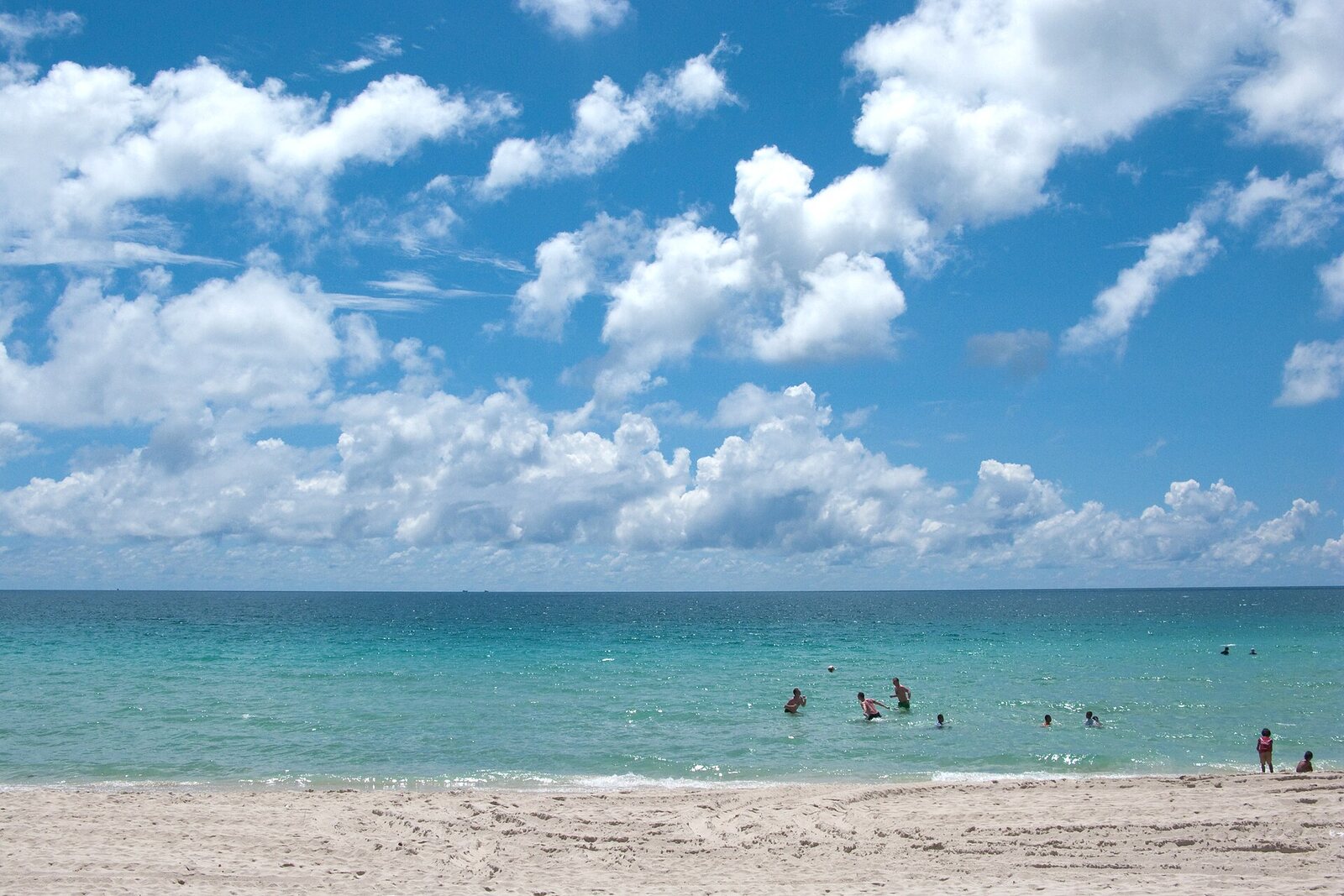
This is the single most expensive mistake in Thailand vacation planning, and no piece of Thailand travel news saves more money than getting it right. When the northeast monsoon arrives it brings dry air to most of the country but pushes moisture straight onto the eastern side of the peninsula. Koh Samui, Koh Phangan and Koh Tao therefore have their wettest weeks in November and early December, clearing from about mid-December and peaking in quality from January to April.
If your dates are fixed to November, swap the Gulf for the Andaman, or head for the eastern seaboard instead. Koh Chang, Koh Mak and Koh Kood dry out from the start of November and run their high season through to April. Koh Kood travel is the slow option — five to six hours from Bangkok to Trat, then a 60 to 90 minute ferry at roughly 400 to 600 baht — and it rewards the effort with the emptiest good beaches in the country.
Bangkok, Pattaya and the shoulder fortnight
For anyone already booked, the best Thailand travel news is this: the last two weeks of October are the best-value window of the year. The rain has largely gone, high-season pricing has not yet started, and the crowds arrive in November.
In the capital, the practical gain is simple: you can walk. Bangkok street food is a different proposition at 28°C in the evening than at 34°C with a downpour, and Yaowarat, Bang Rak and the Wang Lang market by Siriraj Hospital all come into their own now. Boat trips on the Chao Phraya cost 16 to 33 baht on the orange-flag express. Our Bangkok guide has the neighbourhood breakdown.
On the coast, the list of things to do in Pattaya opens up as the sea flattens. The Koh Larn beaches are a 30-baht, 45-minute public ferry from Bali Hai Pier, and from November the crossing is reliable almost every day; see our Pattaya and Jomtien guide for the timetable.
What it means for Thailand vacation planning
Three things follow from the declaration, and all of them are about money and dates rather than weather.
- Rates. Most hotels move to high-season pricing on 1 November, and a peak supplement lands around 20 December. Booking the last week of October can be 30 to 40 per cent cheaper than the first week of December for the same room.
- Flights. Long-haul fares into Bangkok rise through November. Mid-January to early March is usually the best combination of weather and price.
- Packing. A fleece or light down layer for the north between December and February is not optional, whatever the brochures say.
- Air quality. The flip side of the dry season: burning season haze builds in the north from late February into April. Visit Chiang Mai and Chiang Rai in the November to January window if you can.
The Thai festivals 2026 calendar lines up neatly with all this. Ok Phansa, the end of Buddhist Lent, falls on 26 October, with the illuminated boat processions on the Mekong and the naga fireballs at Nong Khai — the clearest window onto living Thai culture in the whole calendar. Loy Krathong and Chiang Mai's Yi Peng lantern release follow on 24 and 25 November — our guide to the Yi Peng dates and tickets covers the booking window, which closes earlier every year. Lopburi's Monkey Buffet is the last Sunday in November.
Practical tips for the turn of the season
- Check before you commit. The TMD publishes its forecasts in English at tmd.go.th, and the TAT Contact Centre on 1672 answers in English daily.
- Do not trust a single national forecast. Thailand has two monsoons running in opposite directions in November. Check your actual island.
- Book northern accommodation now. Chiang Mai fills for Yi Peng, and Phu Chi Fa and Pai homestays sell out for the December cold snaps.
- Carry a layer and a scarf. Overnight buses, sleeper trains and northern mornings are genuinely cold.
- Expect a last burst of rain. Southern Thailand gets heavy spells through October and November; southbound trains and ferries can be disrupted.
- Watch the Andaman reopenings. Marine national park seasons restart through October and November, and dive sites that were shut all summer come back one by one.
None of this is exotic knowledge, but it is the sort of thing that separates a good trip from an expensive one. The cool season is the reason Thailand's high season exists, it is about to be declared, and for the next fortnight the country is dry, cheap and half empty at the same time. As Thailand travel news goes, that is as actionable as it gets.
More Thailand travel news
Sources
- Thai weather agency outlines 3 winter criteria for 2026 — The Nation Thailand, 14 October 2026
- Thai winter officially begins on October 23 — Time Out Bangkok
- Winter arrives on Oct 29, expected to be colder than last year — The Nation Thailand
- Thailand weather by month: temperature and rain by region — Visit Thailand Today
- Weather forecast for Thailand — Thai Meteorological Department