Chiang Mai Travel Guide
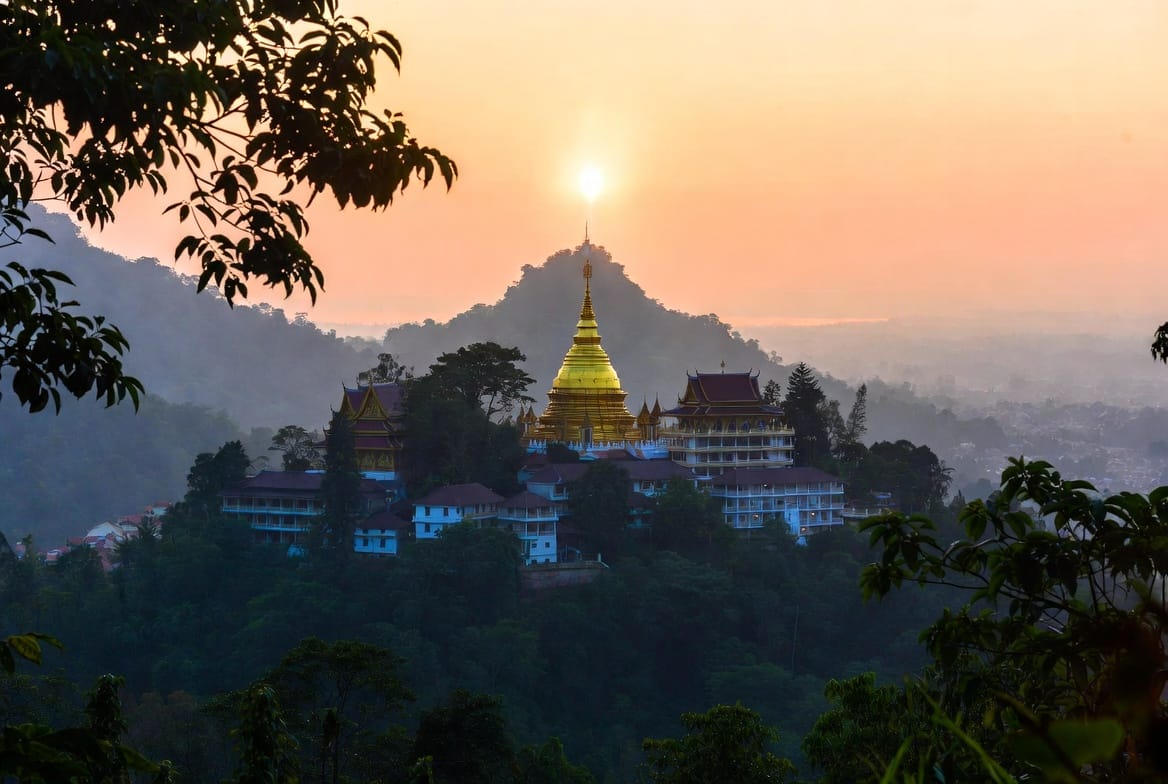
Chiang Mai has a way of winning people over. It’s cooler than the rest of Thailand, full of beautiful old temples, and surrounded by green mountains. You’ll find excellent food, easy day trips, and a pace of life that feels more relaxed than Bangkok or the big beach islands. It’s a great fit if you like culture, nature, good coffee, and wandering around without a strict plan.
How to Get There
By air
The easiest way for most people is to fly into Chiang Mai International Airport (CNX). It’s a small, straightforward airport only 15–20 minutes from the Old City. Flights from Bangkok take about 1 hour 15 minutes and leave many times a day from both Don Mueang and Suvarnabhumi. Budget airlines like AirAsia, Thai Lion Air and Nok Air usually have the best prices (often 900–1,800 baht one way if you book ahead). Thai Airways and Bangkok Airways are also good options if you prefer a bit more comfort. There are direct flights from Phuket, Krabi, Samui and several other Thai cities too.
By bus
Overnight VIP buses from Bangkok are comfortable and popular. They leave from Mo Chit (Northern Bus Terminal) in the evening and arrive at Chiang Mai’s Arcade Bus Terminal around 9–11 hours later. You’ll pay roughly 700–1,200 baht for a big reclining seat. It’s a solid way to save a night’s accommodation.
By train
The overnight sleeper train from Bangkok’s Krung Thep Aphiwat station is a classic experience. It takes 11–14 hours and second-class air-conditioned berths cost around 900–1,200 baht. Book early in high season because the lower berths sell out. Watching the countryside roll by as the sun comes up is genuinely lovely.
Private vans and self-driving are possible (8–10 hours from Bangkok), but most visitors stick with plane, bus or train.

Climate & Best Time to Visit
Chiang Mai has three clear seasons, and the difference between them is noticeable.
Best time: November to February
This is when the weather feels best. Days are warm and sunny (around 28–32°C), nights get pleasantly cool, and the air is usually clear. It’s perfect for walking around temples, hiking, and sitting outside at night markets. November also brings the beautiful Yi Peng lantern festival.
Toughest time: March and April
It gets very hot (often 36–38°C) and this is burning season. Smoke from agricultural fires can settle in the valley for days or weeks, making the air hazy and unpleasant. Some people still come for Songkran in mid-April, but many regulars simply leave until the air improves.
Green season: May to October
You’ll get afternoon rains, especially in August and September, but mornings are often dry and the countryside turns a deep, beautiful green. There are fewer tourists and better prices. Just bring a light rain jacket.
If you can, aim for mid-November through mid-February. October and late February can also work well if you’re flexible.
What You’ll Love Doing Here
The Old City is the natural place to start. Inside the old walls and moat you’ll find some of the most beautiful temples in Thailand. Wat Phra Singh is elegant and full of atmosphere. Wat Chedi Luang has that big, slightly ruined brick chedi that feels ancient. Wat Chiang Man is the oldest temple in the city and has a lovely little elephant chedi. You can easily spend a morning hopping between them on foot.
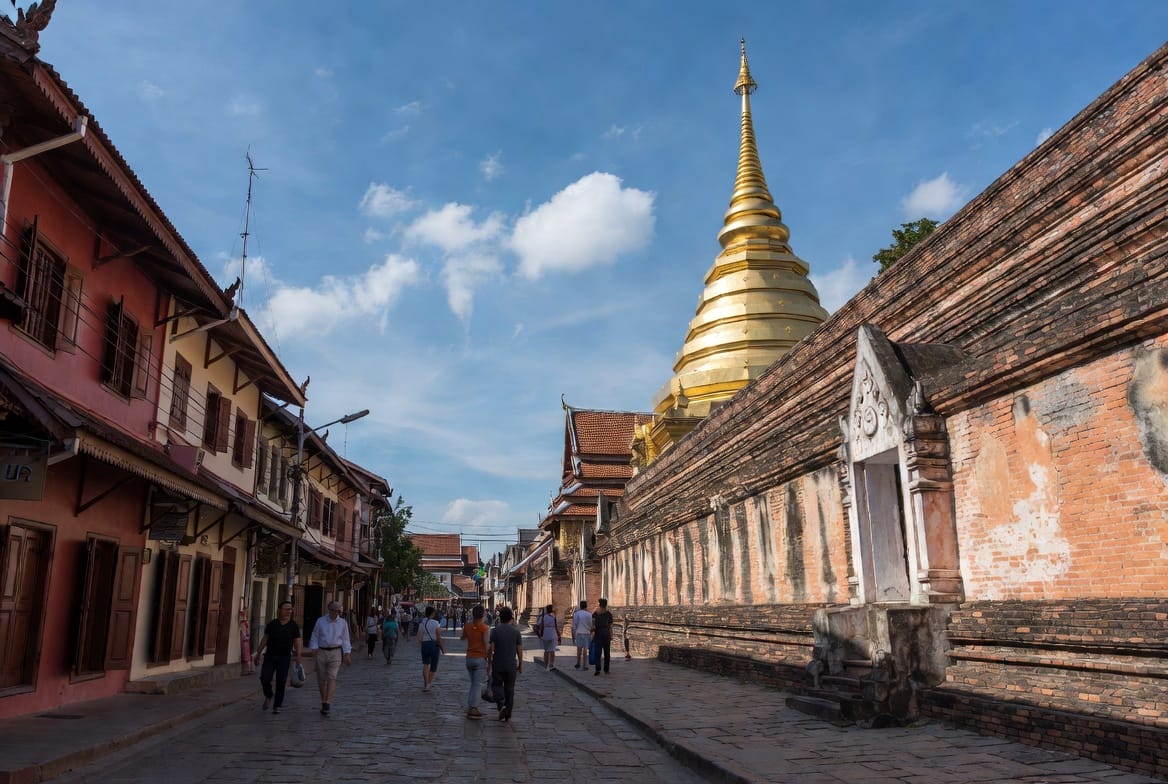
Then there’s the big one: Wat Phra That Doi Suthep. The golden temple sits high on the mountain behind the city and is the image most people associate with Chiang Mai. Go early (before 9 am if you can) so you can enjoy the views and the peaceful feeling before the tour buses arrive. On the way up, or via the Monk’s Trail, stop at Wat Pha Lat — a quiet forest temple that many people end up loving even more than the main one.
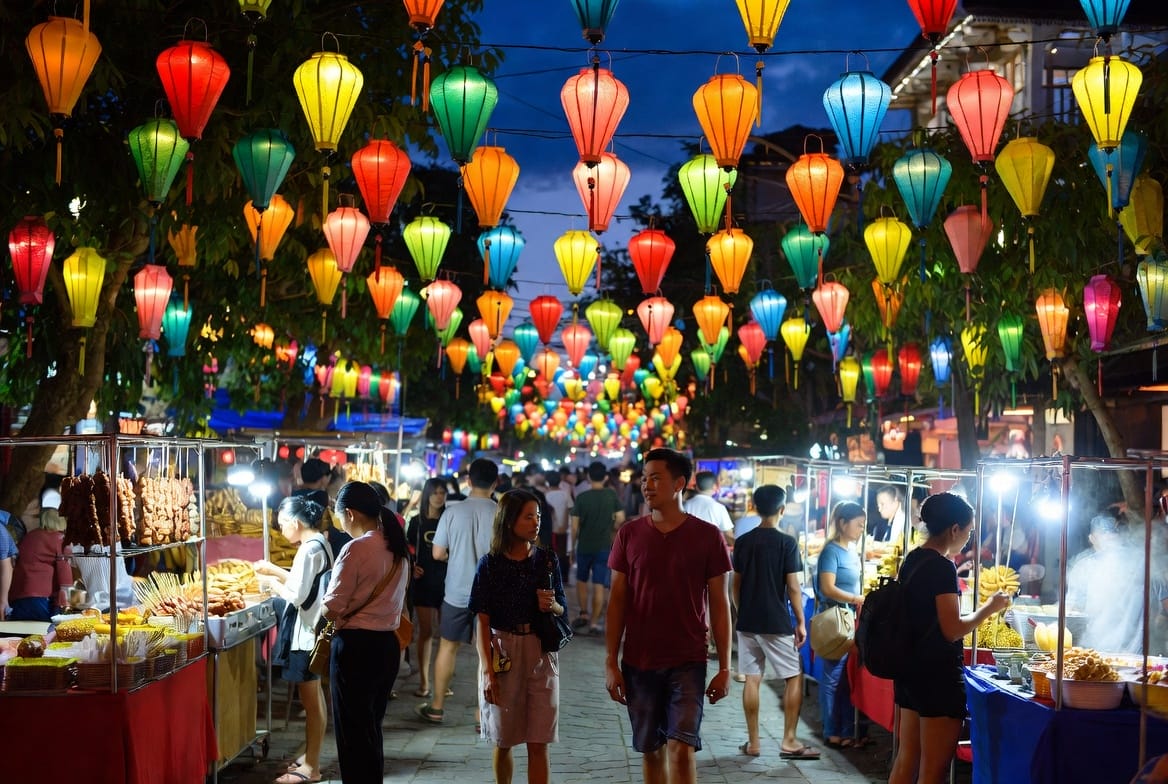
Evenings are all about the markets. The Sunday Walking Street turns the main road through the Old City into a long, happy stretch of food stalls, crafts and music. Saturday’s market on Wua Lai Road is a bit more local. The regular Night Bazaar is open every night if you just want to wander and snack.
Food is a big reason people keep coming back. Order a bowl of khao soi (the famous northern coconut curry noodle soup) at least once. Try the spicy sausage (sai ua), the chili dips, and as much sticky rice as you can handle. The Nimman area is full of good cafés if you need a laptop-friendly break or just a really good flat white.
If you want to meet elephants, please choose a real sanctuary that doesn’t offer riding. Places like Elephant Nature Park focus on rescue and natural behaviour — it’s a much better experience for both you and the animals. Easy day trips include Doi Inthanon (Thailand’s highest mountain) and the unusual Sticky Waterfalls.
Pros and Cons
What people love
- Beautiful temples and real northern Thai culture without having to search hard for it
- Cooler, more comfortable weather than most of the country for a big part of the year
- Excellent, affordable food and a strong café scene
- Easy access to mountains and nature while still having city comforts
- Great base if you want to stay longer or work remotely
What can frustrate people
- The air pollution in February–April is a real issue, not just light haze
- Main temples and Doi Suthep get very busy in peak season
- No beaches — this is a mountain and culture destination
- Some touristy areas and elephant camps still push old-style experiences
- Traffic and negotiating songthaews can take a little patience
Why Go
Chiang Mai is one of those places that rewards you the longer you stay. Come for the temples and the cooler air, stay for the food, the easy mountain escapes, and the feeling that you’re somewhere with its own strong character. Visit in the cool season, get up early for Doi Suthep, eat as much khao soi as you reasonably can, and leave a few days unplanned. That’s usually when Chiang Mai works its quiet magic.