Surin Travel Guide
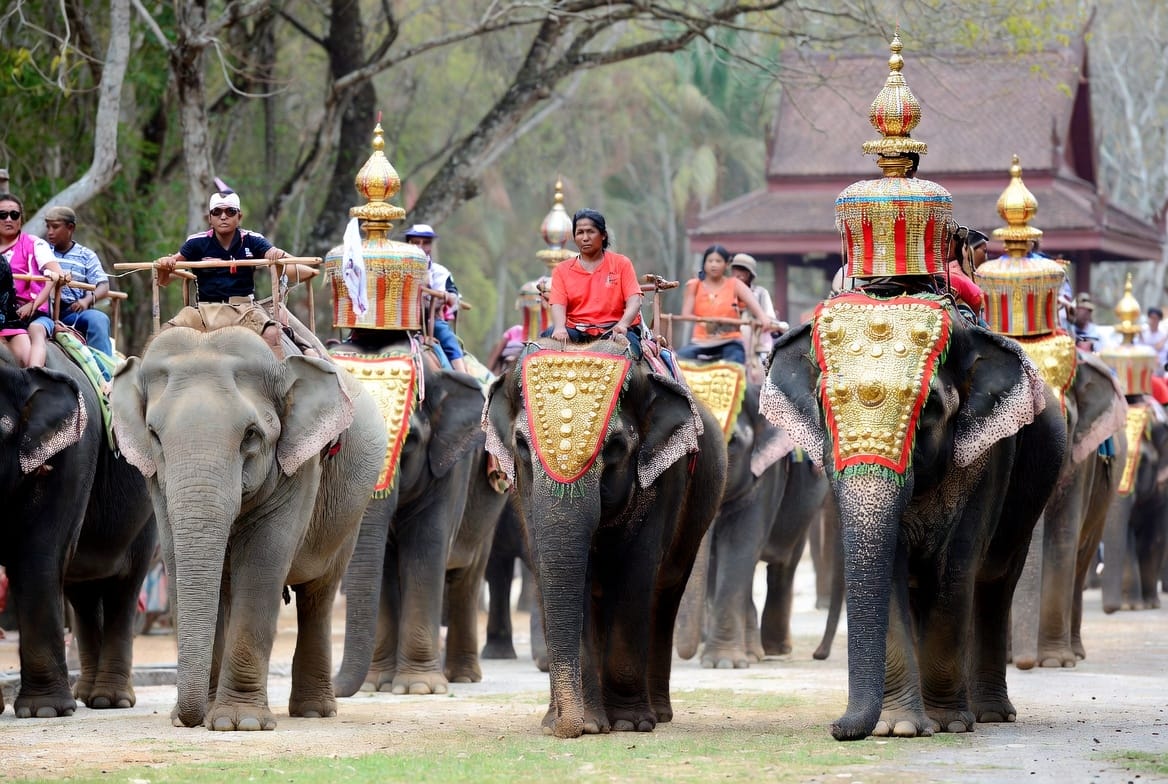
Surin is a quiet provincial city in southern Isan best known for its long relationship with elephants and for the annual Surin Elephant Round-up held every November. Outside festival time it is a low-key place with a few solid attractions: the elephant village at Ban Ta Klang, several Khmer temple ruins, and a reputation for high-quality silk. It is not a major tourist destination, which is part of its appeal if you want an authentic slice of Isan life and culture.
How to Get There
By train
Several trains a day run from Bangkok to Surin on the northeastern line. Journey time is roughly 6–8 hours. Overnight options are available.
By bus
Frequent buses leave from Bangkok’s Mo Chit Bus Terminal. Travel time is about 6–7 hours.
By air
The nearest airport is Buriram (BFV). From there it is roughly a one-hour taxi or bus ride to Surin.
Within the city, songthaews and tuk-tuks cover most short distances. For Ban Ta Klang and the more distant temples you will need a private driver, taxi or organised tour.
Climate & Best Time to Visit
Surin has a classic Isan climate.
Best time: November to February
Cooler, dry weather that is comfortable for sightseeing. November is also when the Elephant Round-up takes place, so expect higher prices and larger crowds that month.
Hot season: March and April
Temperatures climb and the heat can be intense.
Rainy season: May to October
Heavier rain, especially August–September. The countryside is greener and visitor numbers are lower.
What You’ll Love Doing Here
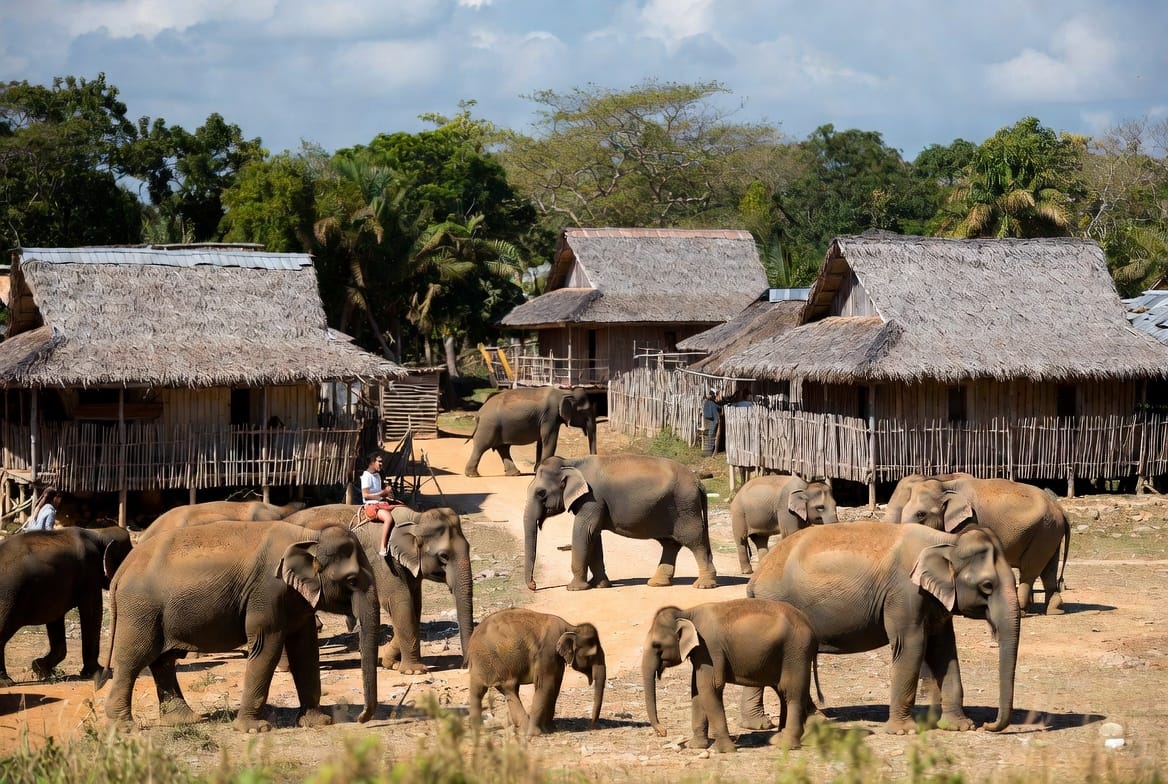
The main draw is the province’s elephant culture. Ban Ta Klang (Elephant Village) is home to many Kui families who have worked with elephants for generations. You can see elephants living in the community, visit the small museum, and learn about the traditional relationship between mahouts and animals. The big annual Surin Elephant Round-up in November features processions, demonstrations and large numbers of elephants — it is spectacular but also crowded and more commercial.
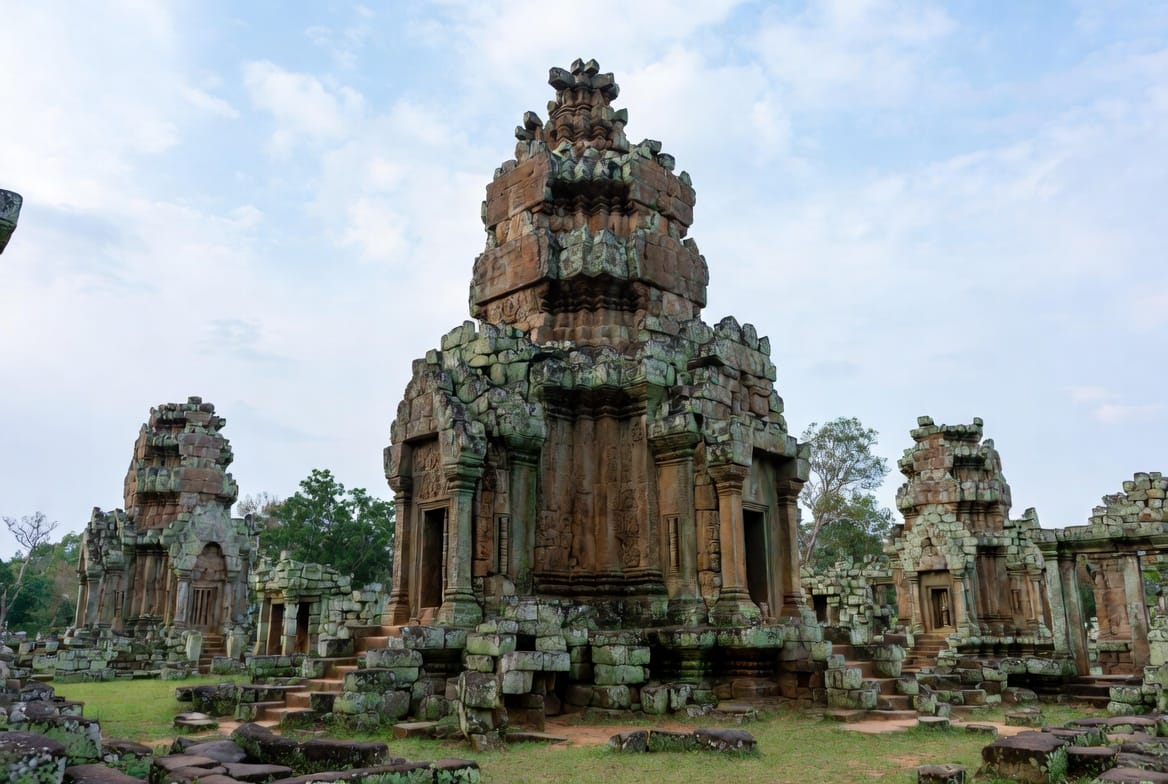
History lovers should visit Prasat Sikhoraphum, a well-preserved 12th-century Khmer temple with five brick towers and fine carvings. Further afield, the Prasat Ta Muan group near the Cambodian border is more remote and atmospheric.
Surin is also known for silk. Villages such as Ban Tha Sawang produce high-quality hand-woven silk that is sold locally. In the city itself the atmosphere is ordinary provincial Thai life — markets, temples and simple restaurants.
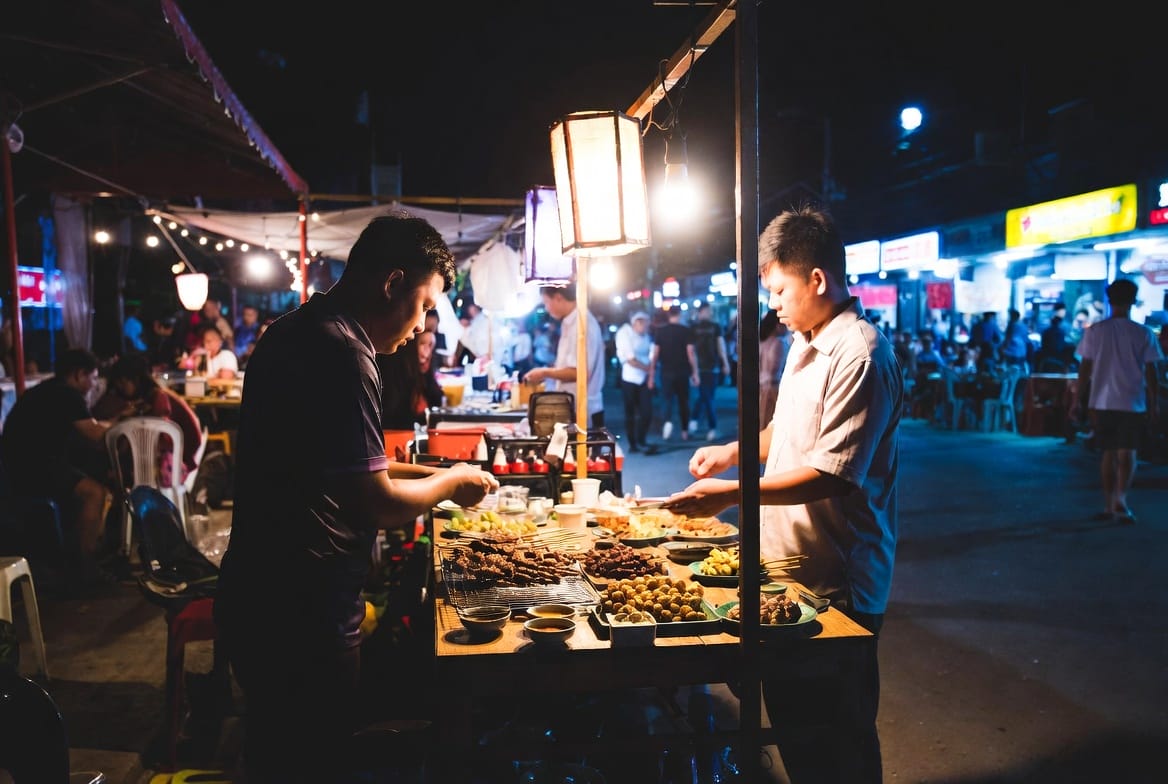
Evenings are quiet. Most visitors eat at the night market or a local restaurant and rest.
Pros and Cons
What people love
- Genuine elephant culture centred on Ban Ta Klang
- Impressive Elephant Round-up festival in November
- Interesting Khmer ruins that see few foreign visitors
- High-quality local silk
- Authentic, non-touristy Isan atmosphere
What can frustrate people
- Limited attractions in the city itself outside festival time
- Elephant tourism raises ethical questions for some visitors
- Hot season is very hot; rainy season can disrupt plans
- Less English and tourist infrastructure than major destinations
- Getting to the more remote temples requires private transport
Why Go
Surin is worth visiting if you are interested in elephants, Khmer history or simply want to experience a quieter corner of Isan. Time a visit for the Elephant Round-up if you want the big spectacle, or come outside festival season for a more relaxed look at Ban Ta Klang and the temples. It is practical to reach from Bangkok by train or bus and works well as part of a wider Isan itinerary that might also include Buriram or Ubon Ratchathani. Come with modest expectations and an interest in local culture, and you will find it rewarding.