Kanchanaburi Travel Guide
Kanchanaburi feels different from the rest of Thailand. It’s quieter than Bangkok, greener than the central plains, and carries a heavy but important history. Most people come for the Bridge over the River Kwai and the Death Railway, then stay for the waterfalls, river views and slower pace. It’s an excellent day trip from Bangkok, but even better if you give it a night or two so you can enjoy the riverside atmosphere properly.
How to Get There
From Bangkok
The train is the most atmospheric way. Services leave from Krung Thep Aphiwat Central Terminal and take around 2–3 hours. Some trains continue along the Death Railway itself, which is a memorable experience. Buses and minivans from Bangkok’s Southern Bus Terminal or other points take a similar amount of time and run frequently throughout the day. Private transfers and organised day tours are also easy to arrange if you prefer door-to-door convenience.
Once you arrive in Kanchanaburi town, the Bridge is within walking distance of many guesthouses. For Erawan National Park and other outlying sights you’ll need a songthaew, tuk-tuk, motorbike rental or organised tour.
Climate & Best Time to Visit
Kanchanaburi follows the typical central Thailand pattern — hot most of the year with a distinct rainy season.
Best time: November to February
These months are the coolest and driest. Perfect for walking the bridge, riding the train and swimming at the waterfalls. This is also peak season, so popular riverside guesthouses fill up.
Hot season: March to May
Temperatures climb into the mid-to-high 30s. Early starts are essential if you plan to hike or spend time outdoors. The waterfalls remain popular but can feel crowded and hot by midday.
Rainy season: June to October
Afternoon storms are common, especially from July to September. The upside is powerful waterfalls, lush green countryside and fewer tourists. Paths can be slippery after heavy rain.
What You’ll Love Doing Here
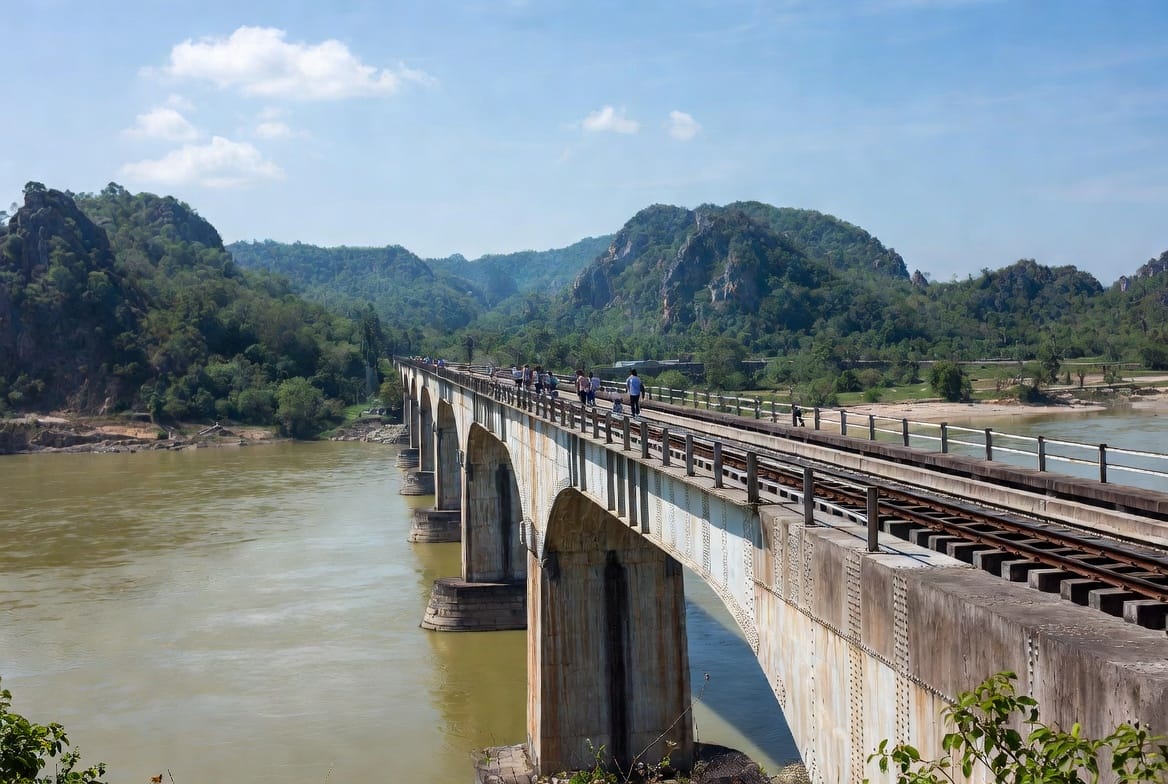
The Bridge over the River Kwai is the centrepiece. You can walk across it, watch the trains pass, and visit the nearby museums and war cemeteries that tell the story of the prisoners of war who built the Death Railway. The area around the bridge has a relaxed riverside feel with cafés and floating restaurants.
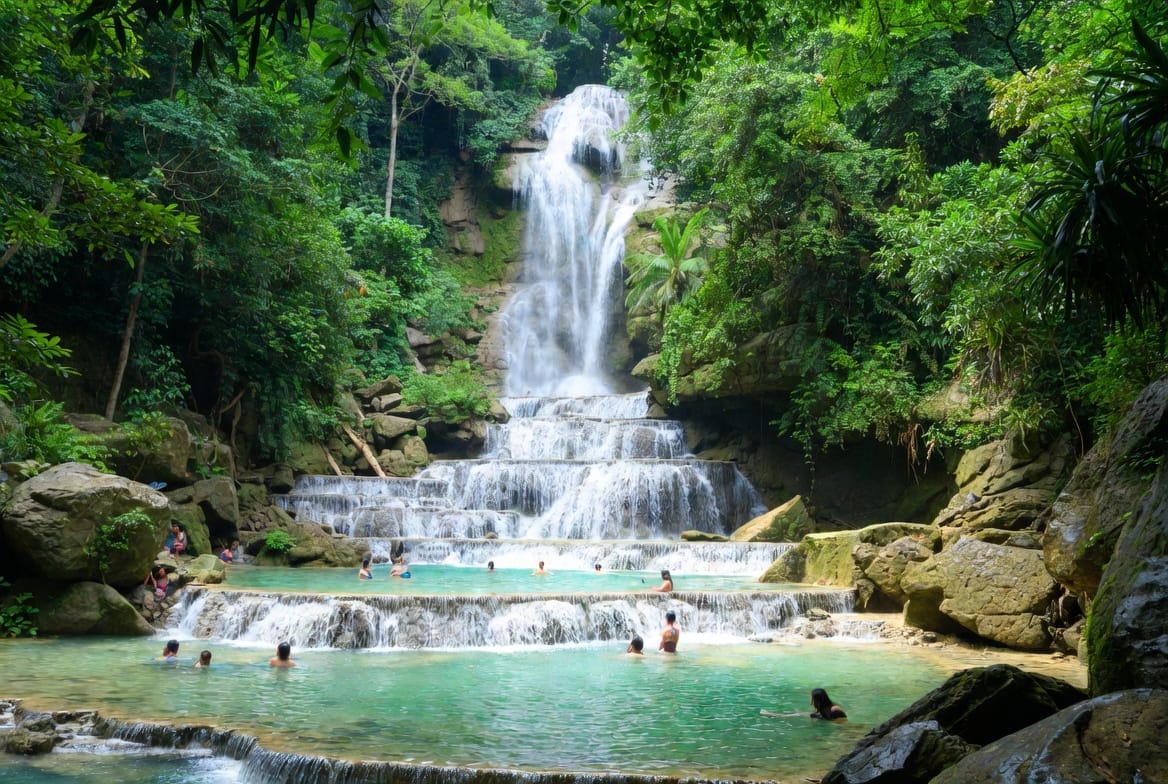
A short distance away is Erawan National Park and its famous seven-tier waterfall. The pools are a striking turquoise and perfect for swimming. It’s one of the most popular day trips from both Kanchanaburi and Bangkok — go early to avoid the biggest crowds.
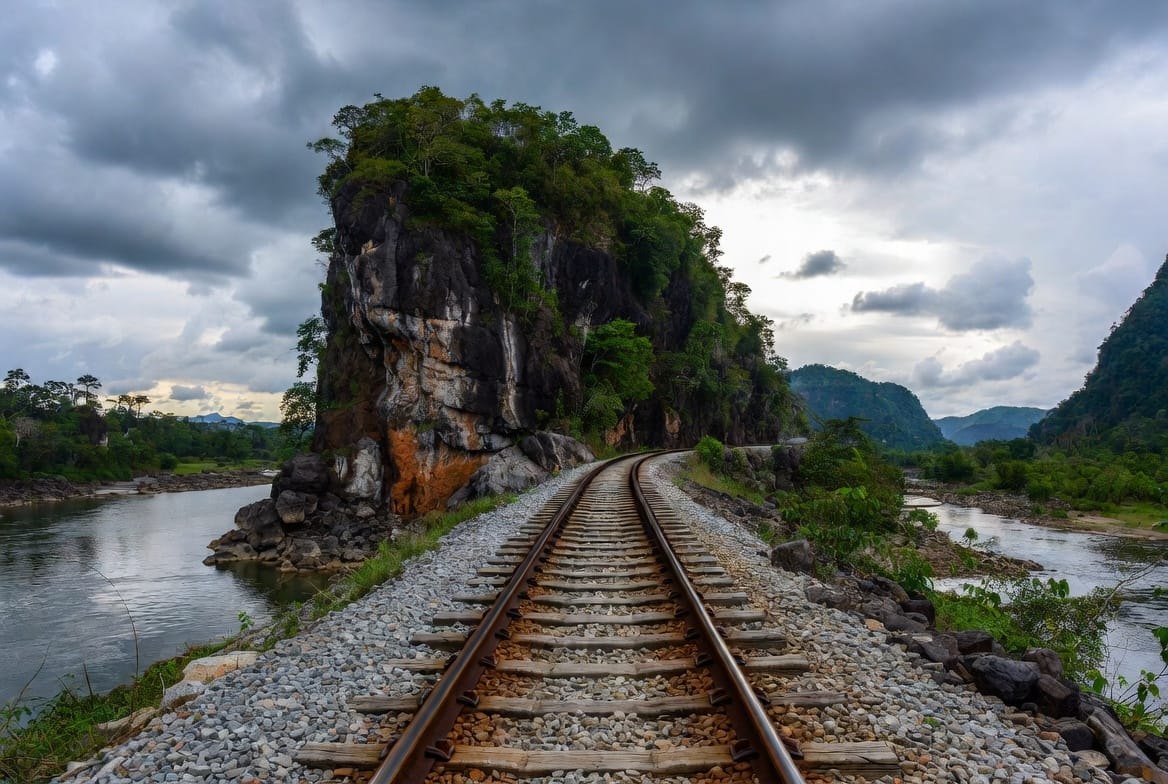
Riding the train along the remaining section of the Death Railway toward Nam Tok is highly recommended. The tracks cling to cliffs above the river in places and give a real sense of the landscape the railway was forced through. The Hellfire Pass Memorial Museum is a powerful and moving stop that many visitors find deeply affecting.
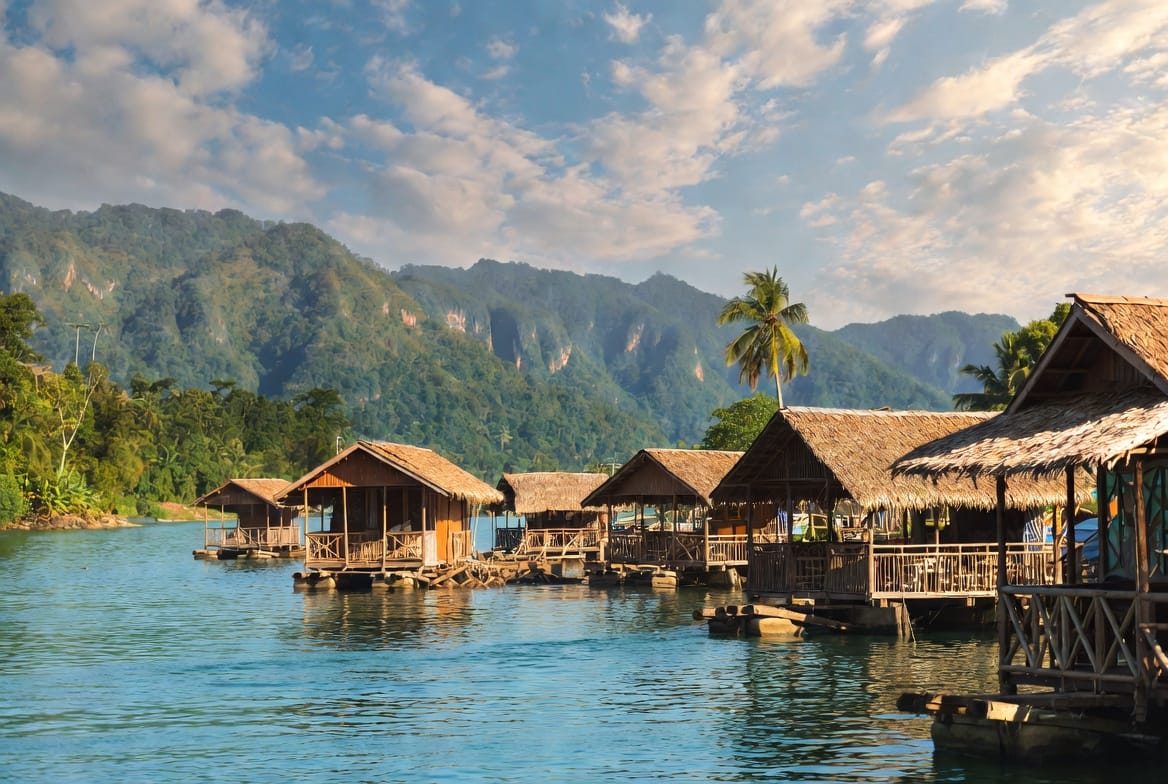
Other easy pleasures include staying in a floating raft house on the river, kayaking or bamboo rafting, and exploring the quieter temples and caves in the surrounding countryside. Evenings in town are low-key — a small night market, riverside dinners and a few bars make for a pleasant wind-down after a full day.
Pros and Cons
What people love
- Powerful combination of history and beautiful natural scenery
- Easy and scenic escape from Bangkok (only 2–3 hours away)
- Excellent waterfalls and river activities
- More relaxed atmosphere than the capital
- Good range of riverside accommodation
What can frustrate people
- The wartime history is heavy and can feel intense for some visitors
- Very hot from March to May
- Popular sites (bridge and Erawan) get busy with day-trippers
- Limited public transport for reaching outlying attractions without your own wheels or a tour
- Some animal attractions in the area raise ethical concerns
Why Go
Kanchanaburi gives you history you can feel and nature you can swim in. Walk the Bridge over the River Kwai, ride the Death Railway, cool off in the turquoise pools of Erawan, and spend at least one evening on the river. It’s close enough to Bangkok for an easy trip, yet different enough to feel like a proper escape. Most people leave glad they made the time for it.