Nan Travel Guide
Nan is one of the most rewarding lesser-visited destinations in northern Thailand. Tucked against the mountains near the Lao border, it has a relaxed, authentic atmosphere, excellent Lanna temples, and easy access to one of the region’s largest national parks. The town itself is compact and pleasant to wander, with a strong sense of local culture that has not been heavily commercialised. If you want temples, nature and a slower pace without the crowds of Chiang Mai or Pai, Nan is an excellent choice.
How to Get There
By plane
Nan Nakhon Airport (NNT) has several daily flights from Bangkok’s Don Mueang with Nok Air and Thai AirAsia. Flight time is about 1 hour 20 minutes. The airport is only a few kilometres from the town centre.
By bus
Overnight buses from Bangkok’s Mo Chit Terminal take around 9–11 hours. From Chiang Mai the journey is about 6–7 hours through scenic mountain roads.
There is no direct train to Nan. The nearest station is in Den Chai (Phrae province), from where you continue by bus or taxi. Once in Nan the centre is easy to explore on foot or by bicycle.
Climate & Best Time to Visit
Nan has a typical northern climate with cooler winters and a distinct rainy season.
Best time: November to February
Cool, dry and ideal for temple visits and exploring the surrounding mountains. This is the most comfortable and popular period.
Hot season: March and April
Temperatures rise and the air can become hazy from agricultural burning. Still workable if you start early in the day.
Rainy season: May to October
Heavier rain, especially July–August. The landscape is lush, but some mountain roads and trails can be affected.
What You’ll Love Doing Here
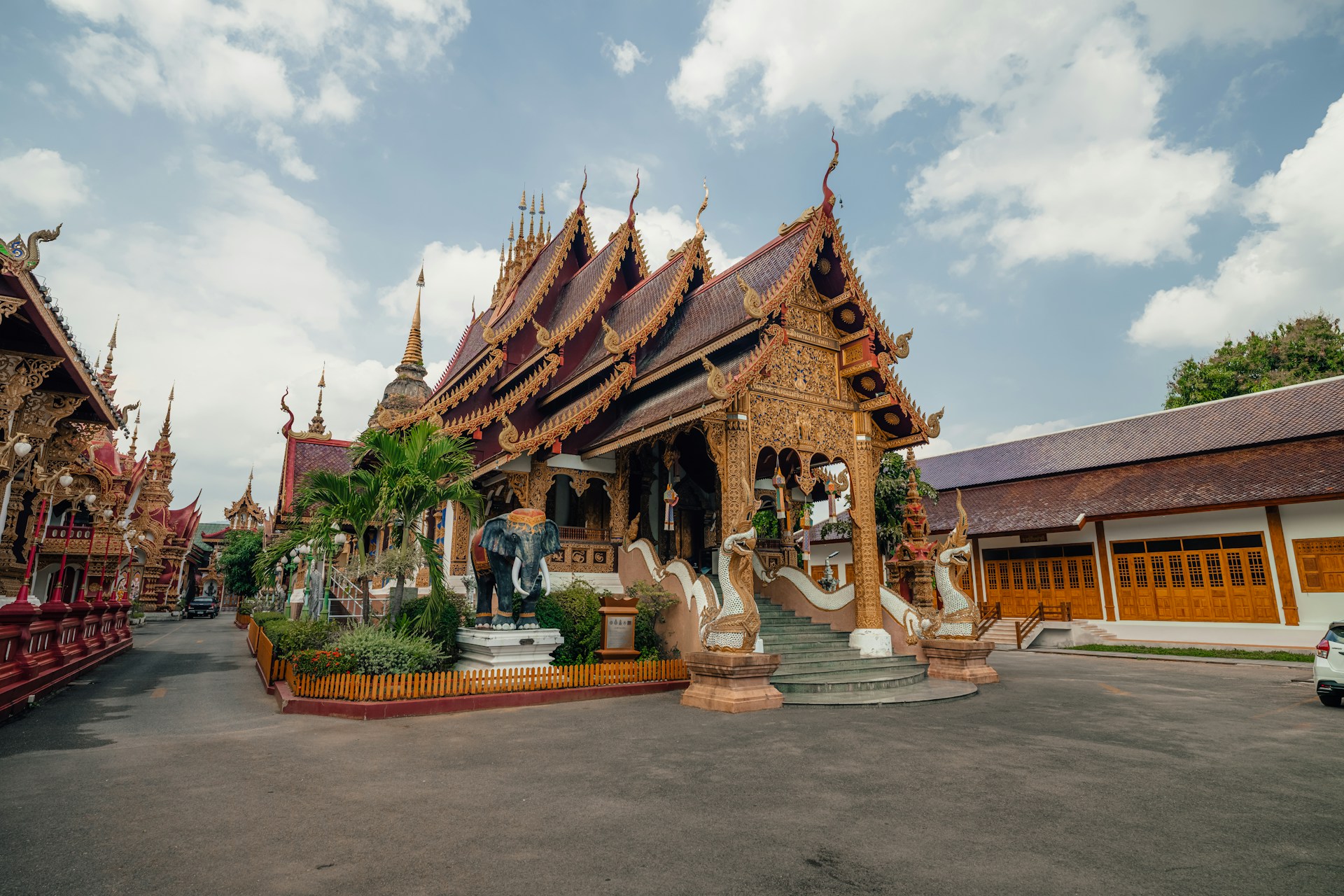
The star attraction in town is Wat Phumin. The temple’s cruciform prayer hall sits on the backs of two giant nagas, and the interior walls are covered with detailed 19th-century murals. The most famous scene, often called the “Whispering of Love” or “Whispering Lovers,” shows a young man and woman in intimate conversation and has become a symbol of Nan.
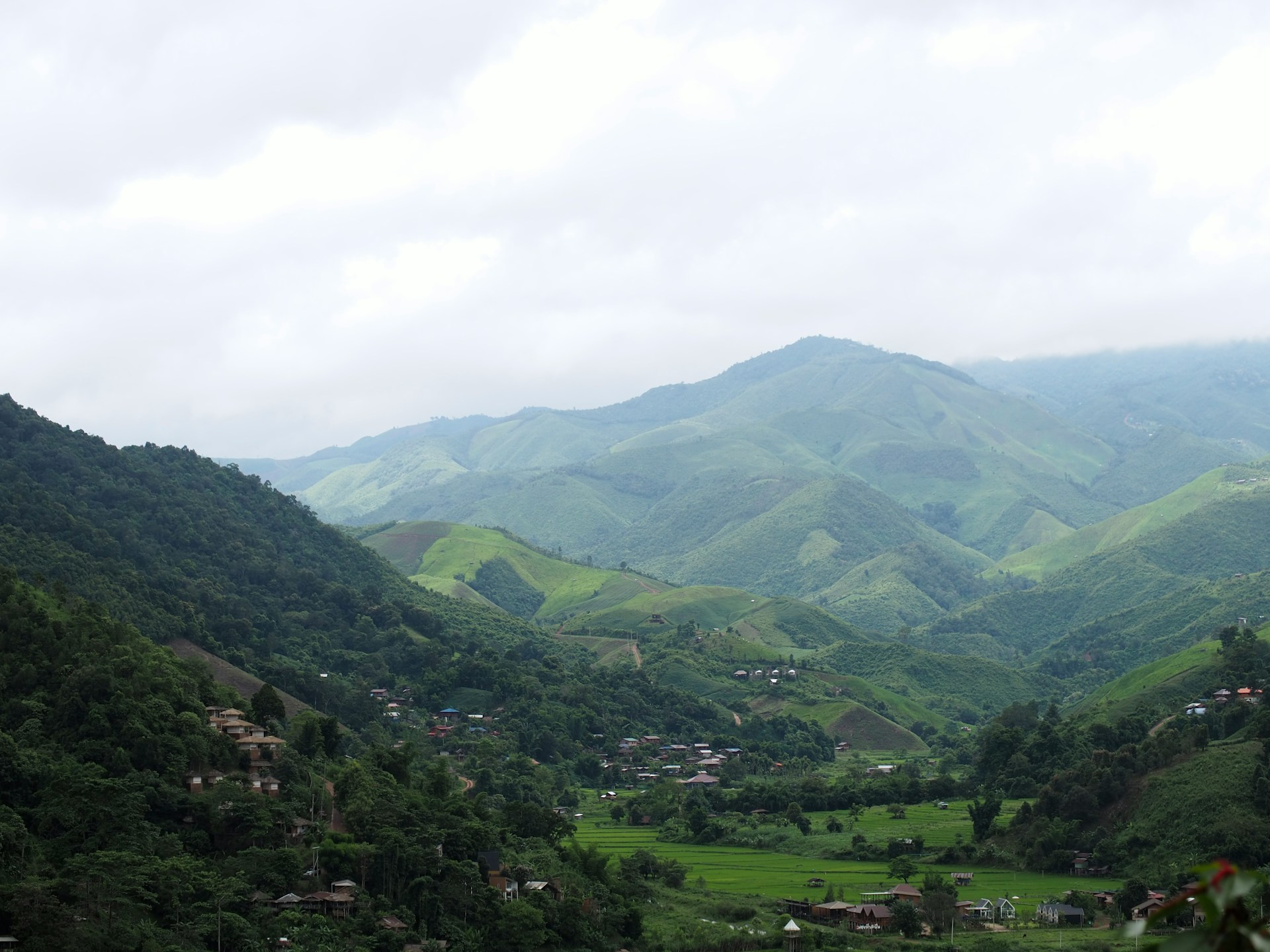
Wat Phra That Chae Haeng, on the eastern side of the river, has a tall golden Lao-style chedi and is highly revered by locals. A short climb or drive up to Wat Phra That Khao Noi rewards you with good views over the town and surrounding hills.
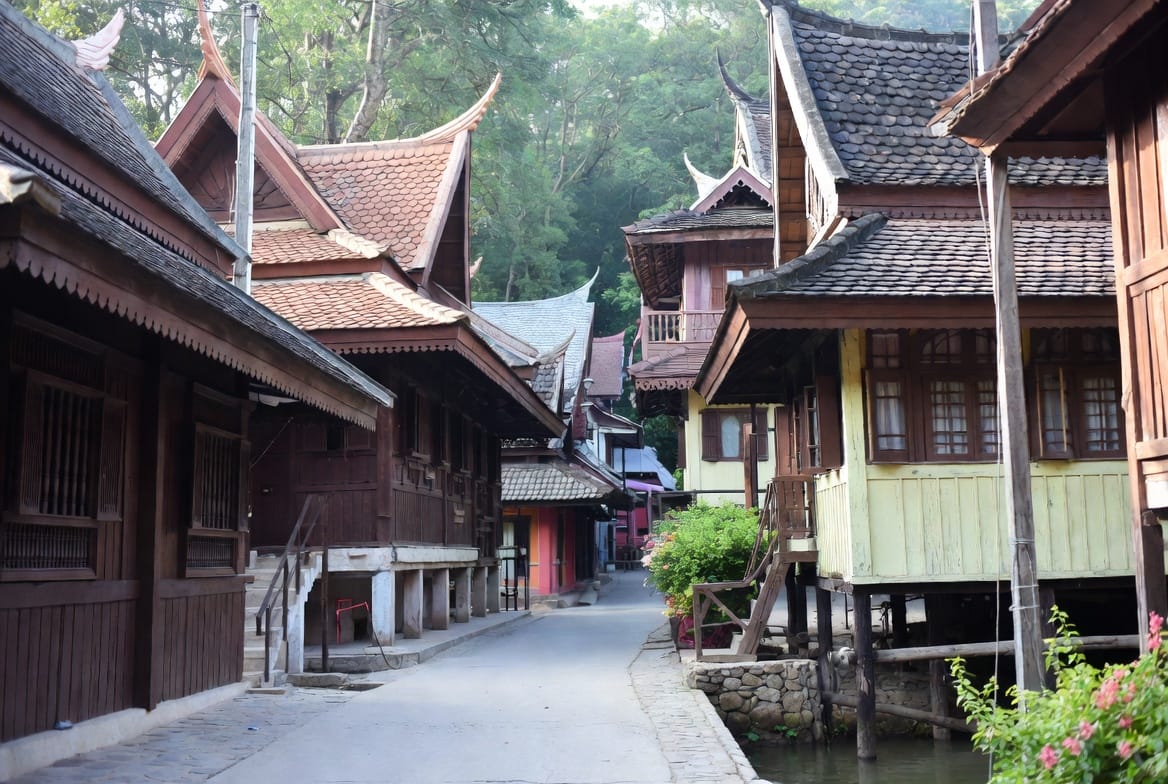
For nature, Doi Phu Kha National Park is the main draw. It is the largest national park in northern Thailand and offers mountain roads, viewpoints, forests and, in February–March, the rare pink blossoms of the Chomphu Phu Kha tree. A day trip or overnight stay in the park is highly recommended if you have time.
The town itself is enjoyable simply to wander. There is a small national museum, a weekend walking street, good local food, and a genuine small-city feel that many visitors find refreshing.
Evenings are quiet. Eat northern dishes, stroll along the river, and enjoy the cooler air.
Pros and Cons
What people love
- Outstanding temples, especially Wat Phumin and its murals
- Relaxed, authentic atmosphere with few foreign tourists
- Beautiful surrounding mountains and Doi Phu Kha National Park
- Good local food and walkable old town
- Easy to combine with a northern itinerary
What can frustrate people
- Limited nightlife and entertainment options
- Hot season can be very hot and hazy
- Getting to the national park requires private transport or a tour
- Less English spoken than in major tourist centres
- Can feel quiet if you prefer lively destinations
Why Go
Nan is for travellers who enjoy culture, nature and a slower pace. Spend a day exploring the temples in town, another day in Doi Phu Kha if possible, and simply enjoy the relaxed northern atmosphere. It is easy to reach by plane from Bangkok and makes a satisfying stop on a longer northern Thailand route. Come for the murals, the golden chedi, the mountain air and the feeling of being somewhere that still moves at its own gentle speed.